A positive African voice in Switzerland

Lisa Chuma loved this gift from the organisers

It you had to talk about your life, would it make a good story? Would it inspire people? I listened to someone in Bern yesterday who has the gift of being able to present an inspirational narrative of her life. Her name is Lisa Chuma and her message is about empowering women in business.

Chuma is a rarity in Switzerland – an African businesswoman. The Zimbabwean-born entrepreneur has been attracting attention in Swiss media since she emerged as the founder of Women’s Expo Switzerland, an annual networking event in Zurich which serves as a platform for businesswomen to showcase their products and services.

As a journalist I’ve sat through more than my fair share of talks. These are usually horribly detailed presentations involving a criminal amount of line-by-line Powerpoint reading.

The talk by Chuma was like a breath of fresh air in comparison. It’s not only her message that has a positive effect, it’s how she communicates the message.

Watching her last evening, I was trying to figure out the secret. Chuma took her time speaking to us. She paused to allow her ideas to sink in. She built her message around stories that were all linked to defining experiences in her life. This was public speaking as a form of storytelling.

What I found most interesting is that the stories Chuma told could also have been presented as stories of suffering and defeat. Chuma spoke about her mother’s brave decision to leave an abusive marriage and the tough year she spent at a Zimbabwean boarding school when her mother was establishing a new life in London.

The inspirational part came in the support that Chuma’s mother received when she left her husband. It was a difficult place and time to be a single mother. Her female friends rallied round and thanks to their practical and emotional support she was able to pursue her dream of becoming a nurse and achieve financial independence.

We need to see more women helping women, Chuma said. Too often we have fine ambitions but when we come up against our own limitations we give up. The trap of talking ourselves out of progress is more a female one, which is why Chuma’s focus is on women. Together we can achieve much more. Chuma’s talk was really aimed at women who have their own businesses but the principle can be applied to any area of life.

Chuma came to Switzerland because of her husband’s job and began her life here moving in expat circles. She noticed that expat women were not mixing with Swiss women, both groups wrongly assuming they were not needed or wanted by the other. It is a great achievement that she has broken down those barriers and built a community of businesswomen in Zurich who are now actively collaborating with each other. The vast majority of women who attend the annual Women’s Expo are Swiss.

The talk in Bern was organized by the American Women’s Club of Bern and Bern English Resource Network BERNnet, which happens to be a great example of Chuma’s ‘better together’ principles put into practice.

If you’d like to see Lisa Chuma in action, here she is giving a TEDx talk in Zurich this summer.

Discovering the delights of Fribourg

wpid-20150630_132123.jpg

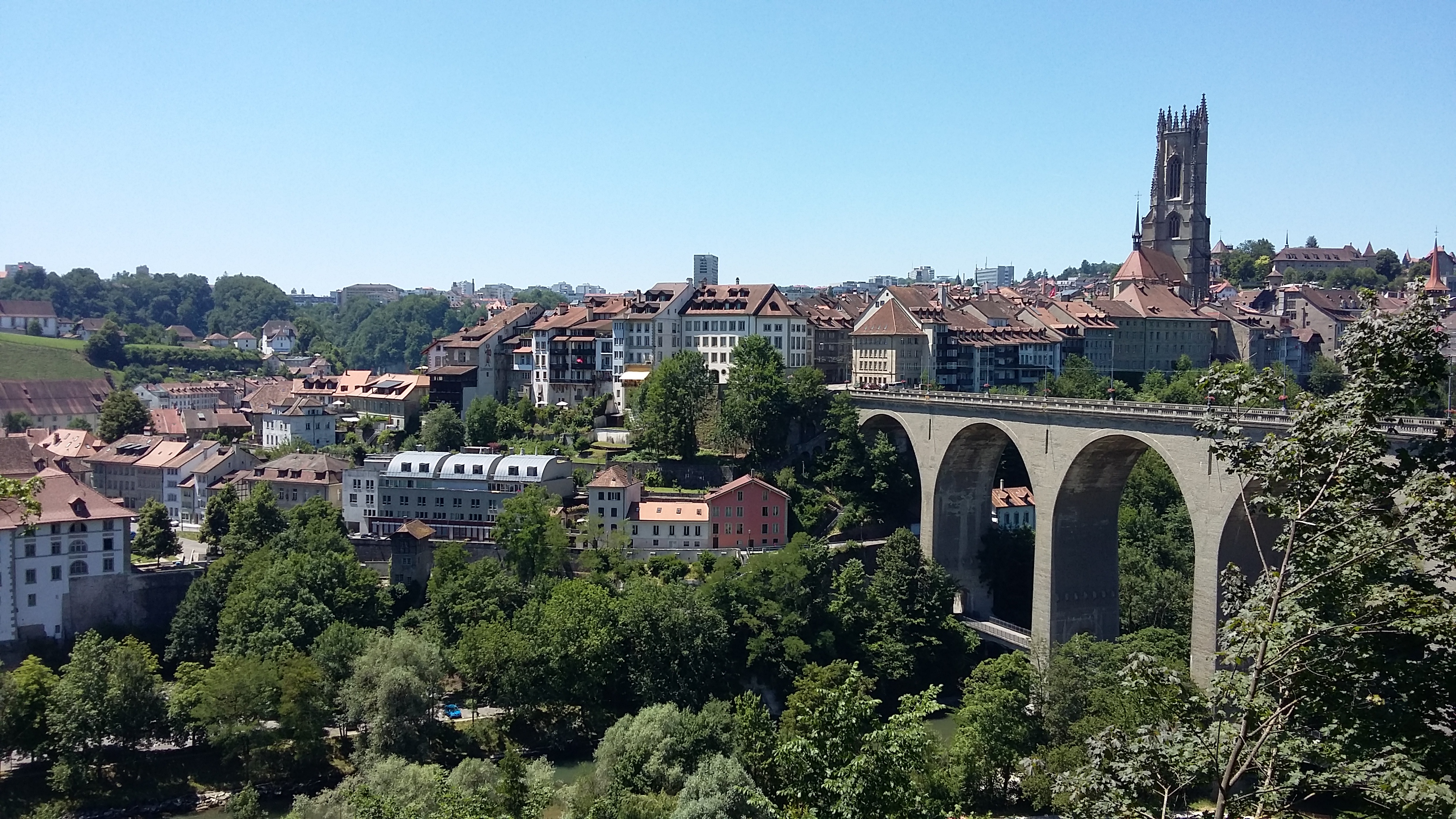
Fribourg is a charming medieval town situated between Bern and Lausanne on the main Zurich to Geneva rail line, often overlooked as a tourist stop. Though I’ve lived here for the past thirteen years, I’m still discovering hidden gems.

It’s that time of year when people are on the move. Some of you will be exploring Switzerland and if you can possibly make room for Fribourg on your itinerary, here are some suggestions on how to spend the day. If you don’t have the time or the means to get to Fribourg, let me show you around.

Fribourg is a small enough town to get to know on foot. For anyone who doesn’t have the energy for the hills and cobblestones, there is the option to take the little tourist train, which leaves every day at 2pm, 3pm and 4pm from Place Jean Tingeuly, five minutes’ walk from the train station. This one-hour guided tour with a couple of stops will help you get your bearings and see the different styles of architecture stretching back 800 years.

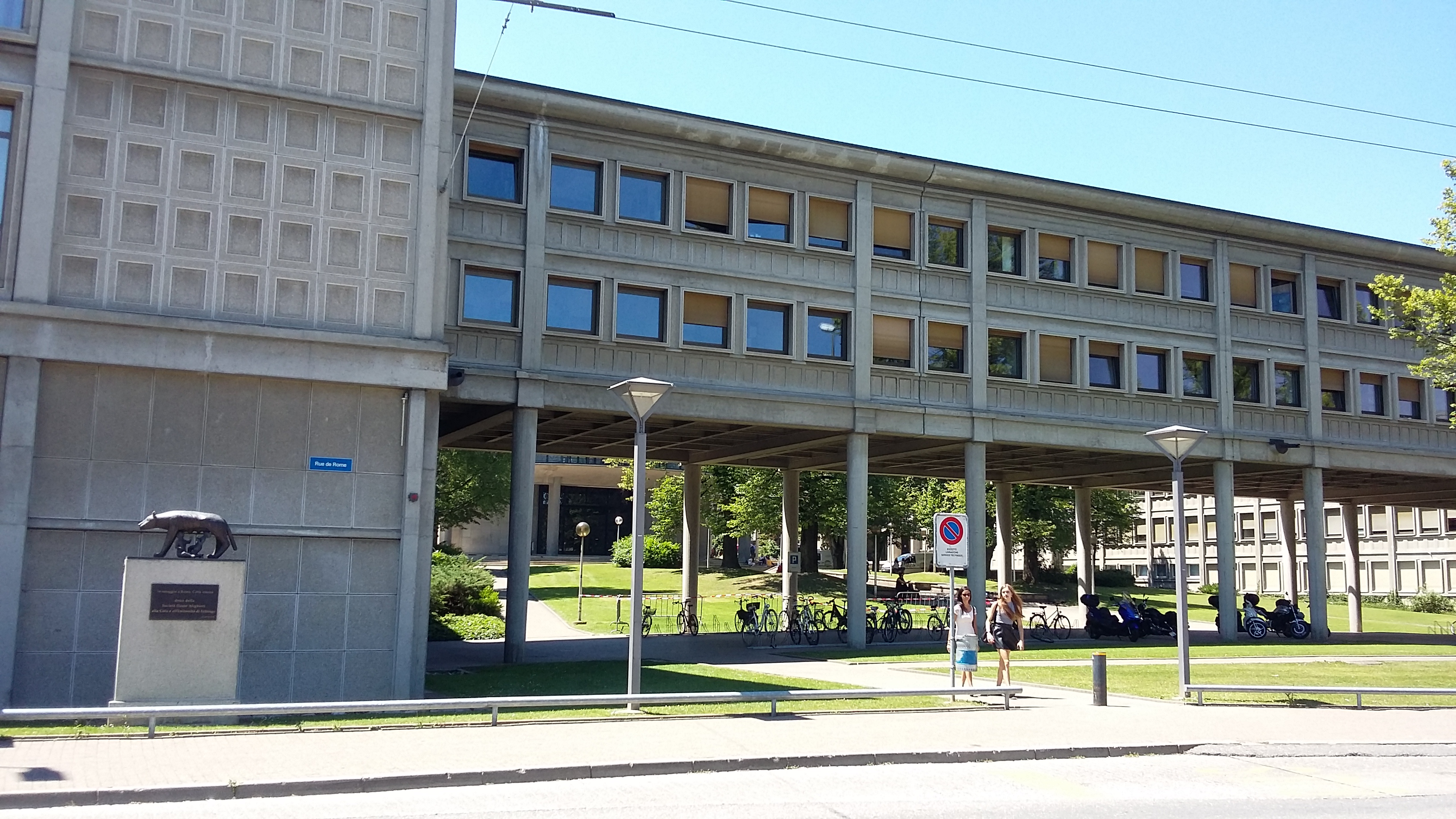
Miséricorde campus, built in the 1930s

Walkers can start by asking directions to Collège St Michel. If you take the back route by the main post office, you will pass by the main university building Miséricorde with its distinctive Le Corbusier style architecture, which is worth a look. Carry on along rue Joseph Piller towards the collège and you can break for your first coffee opposite the cantonal library in Marcello’s.

Marcello's is on the edge of the charming Quartier d'Alt
Marcello’s is on the edge of the charming Quartier d’Alt

Afterwards you can go up the steps of the college and wander around the grounds of what used to be a Jesuit seminary and is now a pre-university college, taking in a visit to the church of St Michel.

The college is at one of the highest points of the town, which descends, quite steeply in places, to the Sarine River. There is a wonderful view of Fribourg from the terrace at the back of the college. From there you can take the old covered steps, Escaliers du Collège, down to the narrow shopping street rue de Lausanne.

wpid-20150630_125947.jpg

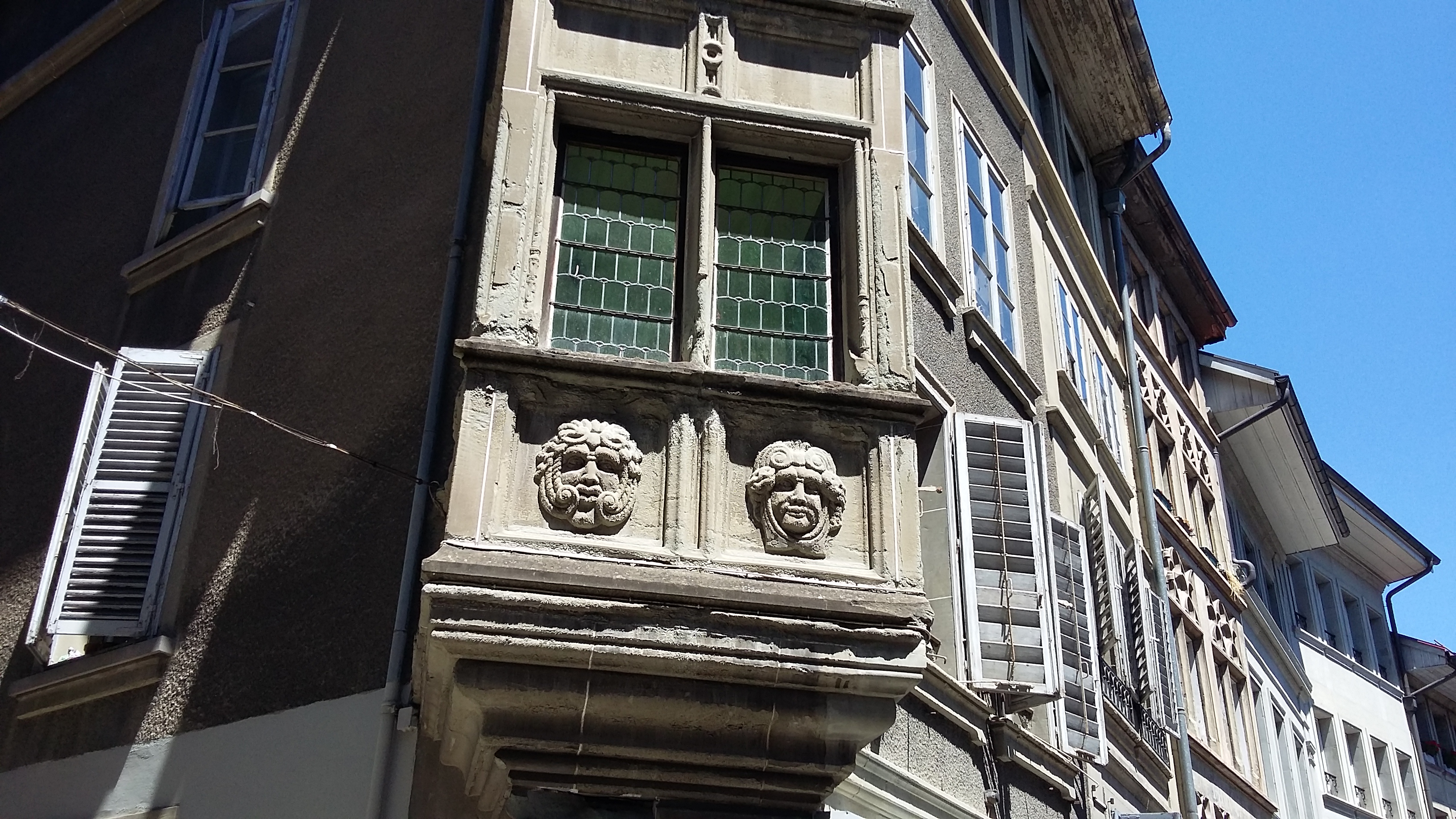
Rue de Lausanne with its quirky boutiques and townhouses leads down to the Bourg area. Don’t forget to look up to see the stone carvings and decorative windows at first floor level.

wpid-20150630_125553.jpg

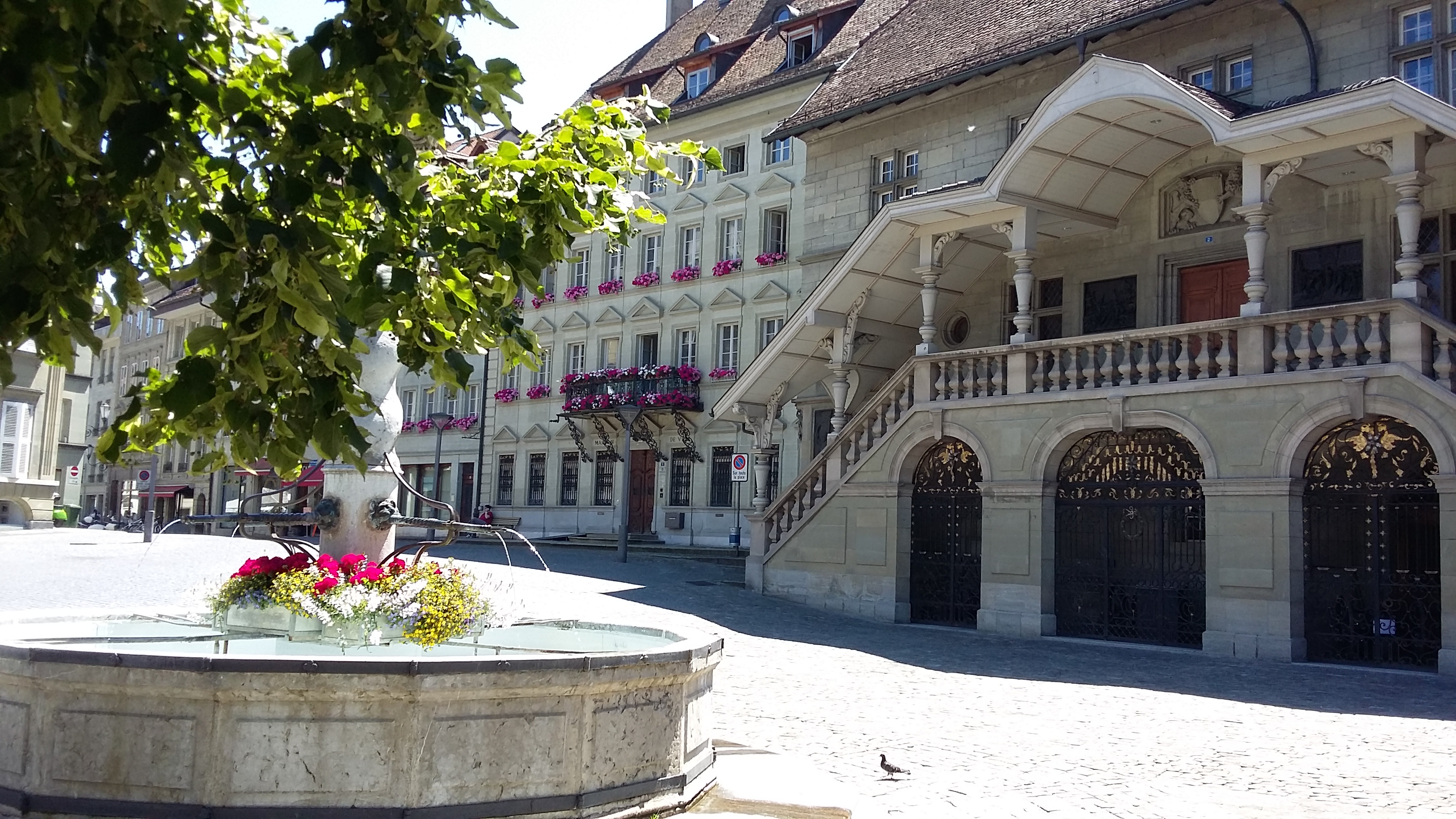
Now you arrive at the Hotel de Ville and cantonal court around the large open space of Place de L’Hotel de Ville where, if it’s a Saturday morning, the weekly market will be taking place. Grand Rue comes next, a narrow 17th to 18th century street which is completely unchanged, and used to be the town’s best address in its heyday.

Here you are faced with a couple of choices. You can loop around by the cathedral and back to the cafe des Arcades for more refreshments before visiting the mini gallery quarter which includes the Tinguely museum, the Museum of Art and History (lovely garden) and the small Gutenberg printing press museum. Two more heavy duty churches – the Basilique Notre Dame and the Église des Cordeliers – provide shade and tranquility on this part of the tour.

The garden of the Museum of Art and History

Or you can do down to the river. On this walk you’ve been gradually descending through the centuries and altitude towards the legendary Old Town – Basse Ville or Unterstadt. From this Hotel de Ville level there are at least three ways to get down – by taking the fairytale-like Stalden steps which begin at the end of Grand Rue, the more workaday steps from the Pont de Zaehringen (check out the view of the new Poya bridge) which gives you an opportunity to cross the Sarine River at the foot of the steps and enter the walled part of the Old Town through the impressive Bern gate.

Pont de Berne, close to the Bern gate and city walls

Fribourg is a little confusing and the river doesn’t help for orientation because it keeps changing sides. That’s because the town is built on a sharp turn in the river which creates a river peninsula. The third way to reach the Old Town is from the other side of the Hotel de Ville, towards the rue de la Grande Fontaine where you will find more pretty steps.

What makes these routes even more interesting is that all these streets are lived in and many of the houses have been kept in excellent condition. You will see people bringing their shopping home, tending to their balcony plants or sitting on their front steps.

There is a bus that carries passengers up from the Old Town to the train station – the number 4. An alternative to the bus or the climb is the funicular railway which starts at the bottom of rue de la Grande Fontaine and leads to Place Python, which is also where the Wednesday farmers market takes place.

If you like what you’ve seen on this walking tour, here are some suggestions of other places to see from Fribourg Tourism, where you will also find information on the festivals and events on this summer.Wishing you all safe and happy travels.

(all photos taken 30.06.2015 © Clare O’Dea)

Siri Hustvedt ablaze in Zurich

76_Siri%20Hustvedt-The%20Blazing%20World%20jacket

Siri Hustvedt is a literary legend and the owner of a brilliant mind, two reasons why I had to go and see her reading in Zurich yesterday. The old Schauspielhaus theatre was packed but it was not an occasion to sit back and be entertained.

It is customary for Hustvedt to throw out a rapid succession of philosophical references and intriguing ideas so that to listen to her speak involves a certain amount of mental gymnastics.

The New York writer had some interesting things to say about memory and imagination, and their link with creativity. Visualising the future and remembering the past are an essential part of being human but imagination is required for both, she said, just as imagination is required to create art.

Because the imagination is involved in recalling experiences, what we remember is not always reliable. “Every time we retrieve a memory it is open to revision,” Hustvedt told the audience.

Before I had a chance to crumble into a heap of self-doubt, questioning every memory I hold dear, Hustvedt had moved on to talk about the fact that creativity comes from play. Not to be able to play is pathological, she said, because play is an indispensable part of our existence.

So when we’re writing we’re playing? That makes perfect sense, especially when I think of the way my youngest daughter plays, completely immersed in creating worlds and characters.

I loved Hustvedt’s description of what novelists do. “We put on masks and discover, go to places we didn’t know.” What we find can be surprising or even disturbing.

Hustvedt believes we are all strangers to ourselves and, “artists confront that strangeness more often than other people”.

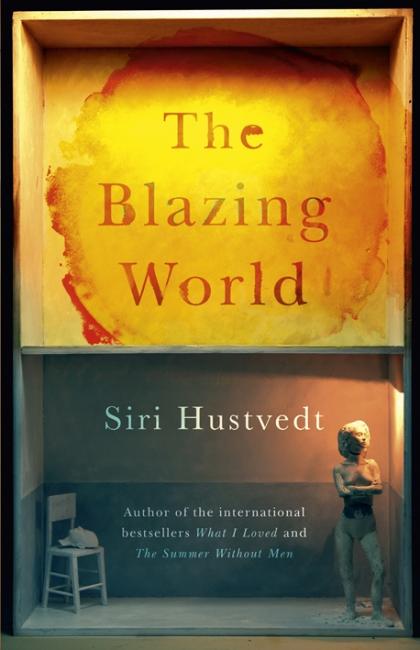
The appearance in Zurich was part of a promotional tour for the German translation of Siri Hustvedt’s latest book, The Blazing World. The book tells the story of an embittered New York artist late in her career who decides to take revenge on the misogynistic art world by passing off her creations as the work of three male artists. They receive the massive acclaim that the same exhibitions would not have garnered for her but things do not go according to plan when she tries to assert her claim to the work.

Hustvedt is very eloquent in her attacks on sexism and misogyny, whose imprint can be seen all the way back to Socrates, she explained. On my way home I wondered why it meant so much to me to see such a towering female intellect in action. People like Siri Hustvedt are there to banish any lingering doubt that women might not be as brilliant as men. Because, sadly that doubt does still linger in a world so utterly in thrall to male achievement.

Not only does Hustvedt question the expectations of gender, she also finds the notion of self problematic. “We all demonstrate in our daily lives a plurality of selves.” This plurality makes it all the easier for Hustvedt to inhabit the characters she creates, as long as that happens within a safe creative space she calls the “aesthetic frame”.

As for her writing habits, Hustvedt writes every day except Sunday. She finds novels harder to write and periodically reads back over the book to make sure “the rhythm is right”. If it’s not right she’ll delete the last section. This approach is at odds with the keep-writing-never-look-back advice I’ve often read for first drafts. But the most important rule in writing fiction is to do what works for you.

Speaking of the plurality of selves, The Blazing World is told in the voices of twenty narrators, a technique that Donal Ryan also used in his breakthrough success The Spinning Heart. Coincidentally, it was while attending a reading by Ryan in Zurich Literaturhaus in April that I saw Hustvedt’s name in the summer programme (see previous post).

I’ll be keeping a close eye on their programme from now on.

Are there any Hustvedt fans out there? I read two conflicting reviews of The Blazing World, published in May last year. The Guardian review was largely positive but the Financial Times ripped the book to shreds. So far I’ve only read two of Hustvedt’s five novels – What I Loved and The Summer Without Men, both of which I thoroughly enjoyed.

Walking past the point of no return

tafers

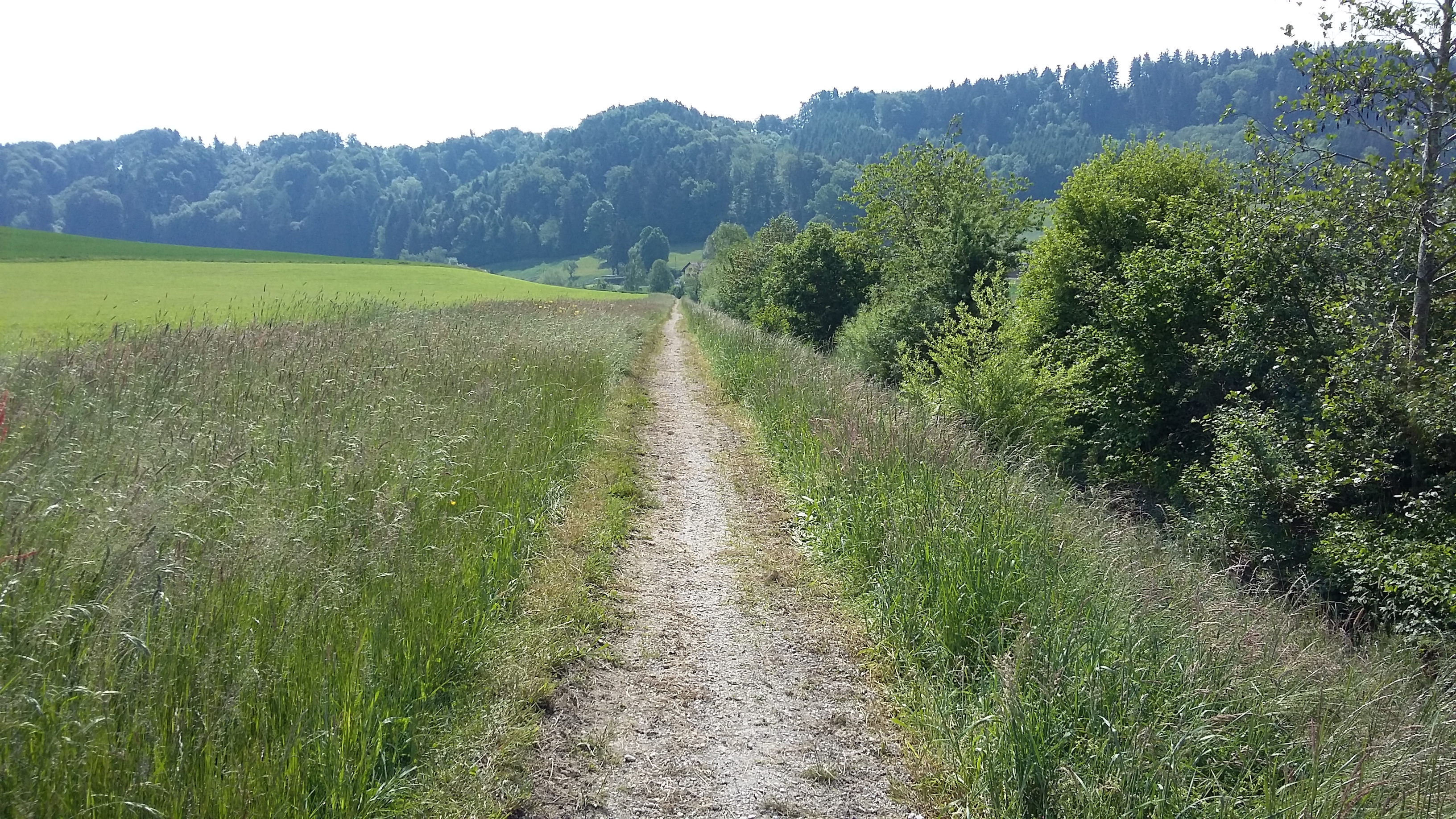
I walked all day, more than I ever have before or ever will again. Up steep forest paths, along by babbling brooks, across fields of barley, through farmyards and back and forth over a railway line, I walked and walked as far as my legs could carry me. And then I stopped, defeated.

I had reached the outskirts of Bern and I had two pressing problems – my feet. You see, the walk didn’t exactly go according to plan. The plan was that I would walk from my home in Fribourg to my old place of work in Bern – a distance of 40 kilometres – over two days.

The first half of the walk would take me Schwarzenburg, covering part of St Jakob’s Weg, the pilgrimage route that leads from Konstanz across Switzerland and France to Santiago de Compostela. I left home at 9.30 in the morning, having delayed as long as I possibly could when I was hit by last minute nerves.

Five hours and eighteen kilometres later I was sitting in a bar in Schwarzenburg, sipping a beer and studying the map. I felt well, the pains in my legs and feet were tolerable, and it was clearly too soon to stop. But could I do the same distance again to reach my final destination? I had to give it a shot.

signs

Walking alone over a long distance is a great way of being present in the moment. The senses take over, the awareness of your own body going about its quiet work of being alive. You look at the ground, you look at everything alive and growing, you look at the horizon. The landscape is gracious, letting you pass – at times opening up far and wide, all rolling hills, woods and meadows; at times closing in to usher you through corridors of stone or dark tunnels of green.

It was a windy day, an east wind with a cold bite known as the ‘bise’ in this part of the world. I ate my lunch in a sheltered spot at the edge of a wood near Heitenried and watched the wild wind rushing across fields of barley. I was thankful for the sun which kept up a regular appearance all day.

sense

An hour and a half after Schwarzenburg, I stopped for a break at an old restaurant beside the bridge and railway station of Schwarzwasserbrücke. According to the hiking signs that I had come to depend on, I had two and a half hours to go. When I stood up my legs were so stiff and sore I half-waddled, half-hobbled out of the place. I felt a pain on the sole of my foot that made me unwilling to take my boot off. The ankle on the other side was already a problem area. I pressed on and the aches faded for a while.

Over the next two hours I crossed some of the loveliest country, farmed in peace for generations. That is the ultimate prize every country should be so fortunate to have.

path

I had my route printed out on ten sheets of A4 paper. On map eight I was still enjoying the view but by map nine I didn’t want to look up anymore to see how painfully slowly I was approaching the next village. The turning point was Niederscherli.

There’s a wonderful approach to the village across a wide area of pasturage called Rifishalte. That part I appreciated. Also the two sweet boys on skateboards who helped me get on the right road out of Niederscherli towards Gasel. But that interruption cost me. A small eternity of twenty minutes later, I limped past Gasel and set my sights on Schliern, every step a trial. I will not forget these places.

There was no possibility of me walking another hour or more across the city of Bern to get to my original destination of Ostring. In Schliern I saw a smartly-dressed old woman going in to a restaurant, every inch the widow. I longed to follow her. It was seven o’clock on Saturday night and I had walked well over thirty kilometres since morning. I turned a corner and saw a bus, a Bern city bus sitting at its terminus, a most welcome sight.

That’s where my walk ended. The bus was due to leave in three minutes. I bought a ticket from the machine, the best two francs I’ve ever spent, and allowed myself to be carried in total luxury four stops to Köniz. All that was left to do was to call my trusty driver to come and get me, and sit content and patient in the last of the sun. I was ready to go home.

I’m going to walk my commute

The road less travelled © Clare O'Dea
The road less travelled © Clare O’Dea

It’s almost exactly 40 kilometres, or 25 miles if you prefer, and I’ve decided I’m going to walk it. I should say I’m not much of a walker. And yet I love it every time I go walking.

Yesterday evening I took a walk to the next village. It took just under an hour. Not a big deal, except it was the first time I had covered that short distance on foot. I probably do that five-minute drive to the local shopping centre three times a week, always in a rush. Never did I expect to become so car dependent.

This time I took the lanes that you don’t see from the road, the natural pathways from farm to farm, through woodland and meadows, fields of rapeseed in bloom. In was delightful, in the true sense of the word. That perfect fifty-minute stroll along country lanes with the sun going down over my right shoulder gave me an idea. Or it reawakened an old idea.

I’m going to walk my commute. It’s not my commute any more but it was for the best part of ten years until two months ago. I worked at the international news service of the Swiss Broadcasting Corporation. The office is in Ostring, on the far side of Bern from Fribourg, where I live. Because it takes twice as long to get there by public transport, I drove to work, most of the way along the highway at 120km per hour. I got to know that route so well but I don’t know the country at all.

A lot of my life is governed by routine. That’s a good thing with children but it’s important too to have days out of the ordinary. My first proper self-employed project is starting next month. Meanwhile I’m getting tantalizing crumbs of hope for my first novel from submissions to agents, but I’d rather not sit around waiting for emails.

A walk like this will be good for body and mind; this specific walk even more so. I’d like to be able to say I walked it once, that I really know the way. Technically you could do it in a day but I think I’ll give myself two days. There’s no time like the present so let’s say I have until the end of this month to start and finish the challenge. I’m using the word challenge loosely here because it’s a beautiful time of year and, although the view has been a bit of a blur until now, a beautiful route too.

This blog has a small following, mostly self-employed people or writers who probably don’t have a commute. But I’m still hoping one of you might have a yearning to do something similar and join me in spirit. Any takers? If you do embark on a special walk, why not send me a photo at the address on the Contact page and I’ll include a mention in my next blog post.

Let me know if you have done something similar, or would consider it, or just like the idea. I’m off to buy hiking boots!

Honest words from Donal Ryan in Zurich

Honest words from Donal Ryan in Zurich

20150420_192210

Imagine a struggling writer standing over his kitchen sink burning page after page of handwritten manuscripts because he doesn’t want any record of “these travesties” to remain on earth.

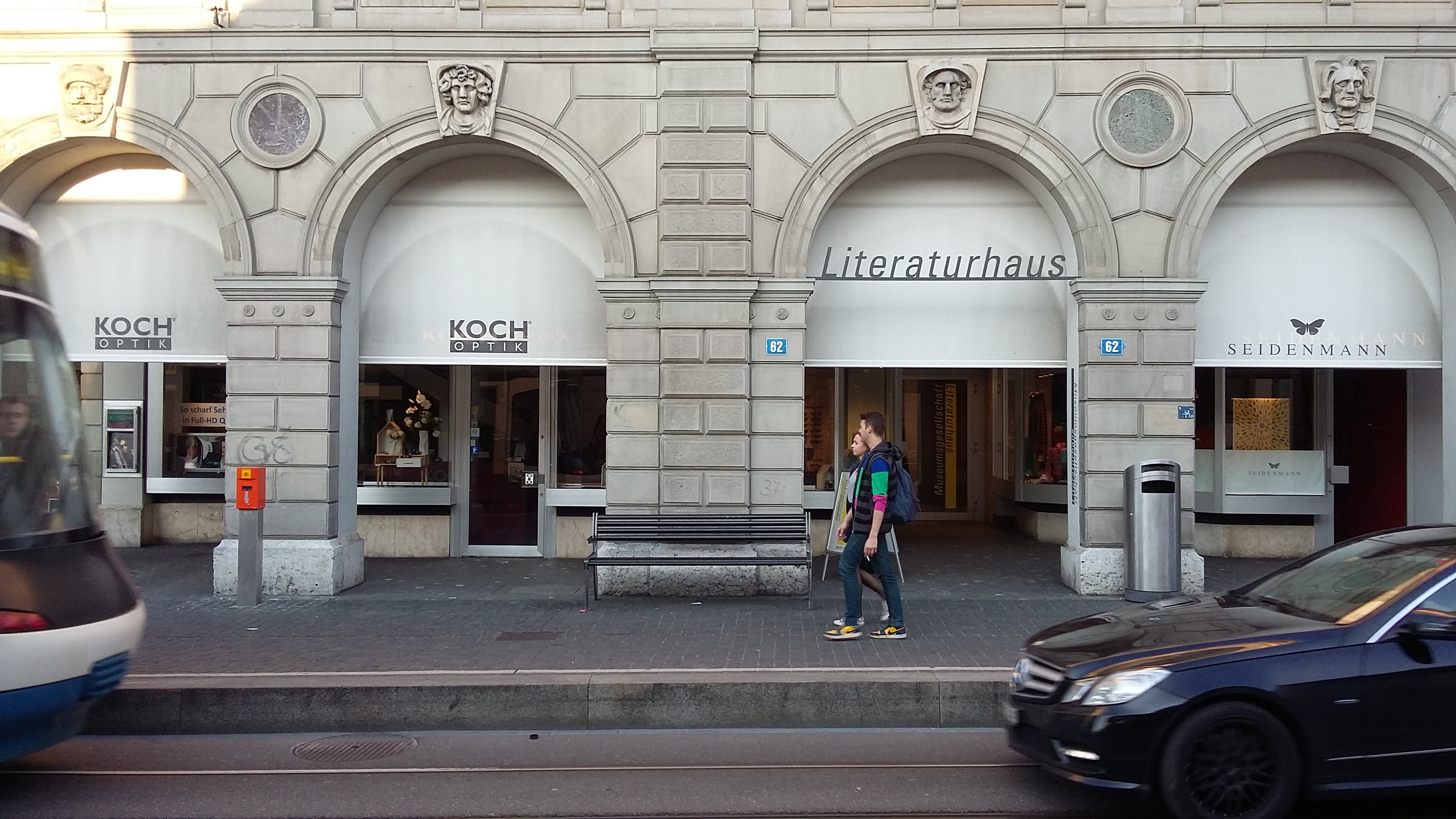
That’s what’s Donal Ryan did with seven or eight (!) novels and one hundred (!) short stories before he became Ireland’s most successful debut author with the release of The Spinning Heart in 2012. I heard this account from Ryan yesterday evening at a reading in Zurich Literaturhaus. His honesty and Tipperary accent were a tonic.

In fact some of the early work that Ryan destroyed was festering in the hard drives of old computers and it was a case of delete and empty trash rather than burning. But what made him trash the old material and believe in his first published novel so much he submitted it “to every publisher in the English-speaking world”?

Ryan discarded the work he wrote in his twenties because it didn’t ring true. “The voices were too forced and contrived and I had a weird low-level nausea in my stomach when I was writing.”

Then, with The Thing About December, Ryan tuned in to the right station, as he put it, and found his voice. The book, written before The Spinning Heart, was published last year and tells the story of Johnsey, a vulnerable young man in rural Ireland, hopelessly ill equipped to deal with the changes life thrusts upon him after his parents die. The story is written in the close third person and Johnsey’s predicament is told in his own deceptively simple language. The writing is moving and eloquent, and funny when it’s not devastating.

The story is well described in this Irish Times review.

Ryan spoke about love a lot on Monday night and reading between the lines he appears to care deeply about Johnsey and what the character represents. Even his mother became fiercely protective of Johnsey and spoke of him as if he were a real person (rather endearingly, Ryan mentions his family a lot).

Ryan’s compassion is evident when he is talking about his characters. “Johnsey is a distillation of all the men I know who don’t speak. And I know lots. These are men who live alone in totally isolated farmhouses. I wanted to know what the inside of their heads would sound like.”

“All stories are about love, or the absence of love. All stories are based on declensions between those two states.” Ryan repeated this idea, which seems to be his motto.

I’m in the submission doldrums at the moment, that point when a writer begins to doubt their worthiness and the wisdom of committing so much time and passion to the whole enterprise. So of course I asked Ryan how he struck submission gold. He mentioned sheer luck and a scatter-gun approach but perseverance seems to have been the key.

Interestingly Ryan wrote The Spinning Heart (also set in Johnsey’s village but about a decade later, and written in 21 chapters of different first person narratives) swiftly and without a struggle while he was submitting The Thing About December, to take his mind off the rejections.

When he moved on to the submitting stage with The Spinning Heart he clocked up dozens of rejections. He kept print-outs of his email rejections in a folder and once, when asked by a journalist, made a rough count of forty seven, but there were more that didn’t make it into the folder, he said.

Ryan has been described as the best literary chronicler of the Celtic Tiger but in typical unassuming style, he says the fact that his two novels provided bookends for the Irish economic boom was accidental. “It was fortunate for me because it got me published. It was my hook.”

Donal Ryan has a collection of short stories coming out in December, also set in the same fictional village as the novels. He describes it as the best work he’s ever done. Meanwhile, work on his third novel is progressing painfully, he admits.

I left the Literaturhaus with a smile and with the feeling I was fortunate to have spent time listening to a great ambassador for Irish writing. It’s a reminder that whenever things get tough, it’s good to connect with other writers (if only from a distance) for inspiration and encouragement.

I’ll be back in Zurich next month to attend a talk by Siri Hustvedt. Can’t wait!

Lunchtime walk at the office

2014-04-09 12.57.11

It’s 1pm outside a monochrome office block on a season-defying day on the outskirts of Bern. If it’s autumn, the air shimmers in the heat of a ridiculously late Indian summer. If it’s winter, a false spring has sprung, only to scamper away again by evening.

The automatic doors sweep open and a motley but relaxed group emerges from the grand entrance of the building. The smokers outside are heard to snigger amongst themselves and a raucous voice calls out: “Et voilà, les anglais.” A disparaging remark is made about the lunchtime walk.

Les anglais are mostly not anglais but they do subscribe to a certain English decorum and do not dignify the heckling with a response. United in purpose, they stride away in the direction of the allotments, shedding jackets with practised ease, and commenting on the deceptively pleasant weather.

On their walk they will pass houses and tower blocks, an old farm and country house, little scraps of gardens tended by homesick foreigners, a hospital, a school and a motorway. All of human life is there, although because this is Switzerland there will not be many human beings in evidence.

The walkers will split into little knots of twos and threes. Discussion will turn from politics to family matters. Holidays are being planned or children are having problems in school. An elderly parent is ailing. The conversation has been going on for years, added to in small increments, and responsible for the familiarity and affection that has built up between les anglais.

There will be something new on every walk to provoke a moment of reflection: A hearse waiting at the back of the small hospital; grandparents on their allotment lovingly setting out toys around a baby on a blanket.

The walkers complete the loop all too quickly. There won’t have been time to talk to everyone about everything. But there will be another walk the next day, and the next. There will be small news and big news to share and always someone to listen.

Back in the office, the different members of the office family return to their stations. There will be coffee at three, a short break where laughter is the main currency. For now, the keyboard beckons: username, password, login.

This little tribute to office camaraderie is dedicated to my former colleagues of at least twenty nationalities at SWI swissinfo.ch in Bern. I spent the best part of ten years in the trenches at swissinfo, a happy soldier demobbed just last month.

When I get my ducks in a row I will officially embark on a new phase of working as a freelance writer and translator, final grand title to be decided. I welcome any tips on the organisational or motivational side of freelance work.

Here’s to old friends and new beginnings!

Ps. This post was partly inspired by this lovely article about ‘work family’ by Marion McGilvery writing in The Guardian.

Irish nobles, a lost fortune and the Swiss connection

Croagh Patrick, Co. Mayo

Irish history teachers are a mournful bunch. Their job is to tell children a series of sad stories, filling their heads with tales of dashed hopes and doomed endeavors. When the teachers come into the classroom, the children look up with baleful eyes, wondering what misery is in store.

The Flight of the Earls is one such epic saga of shattered dreams but little is known of the Swiss chapter in this story.

Short version: In 1607, a group of increasingly marginalised Irish nobles, their families and followers set sail for mainland Europe, looking for Spanish support to challenge English rule. On their way to Spanish-controlled Milan, they passed through Switzerland.

Do I need to add that things didn’t work out so well? The nobles died in exile, after being diverted to Rome by the Spanish, who had in the meantime switched to being friendly to the English. The loss of these great Ulster families marked the end of the old Gaelic order.

And what about the Swiss connection? Travelling with the group was a scribe, Tadhg Ó Cianáin, whose job it was to record the fateful events of the day. His account of the journey has survived and been translated into English.

Ó Cianáin said of the Swiss people that they were “the most just, honest, and untreacherous in the world, and the most faithful to their promises”.

A smaller group of 30 Irish men and women arrived in Basel in March 1608 and travelled from there to Lucerne. They then crossed Lake Lucerne heading for the Gotthard Pass. On St Patrick’s Day 1608 the party crossed the Devil’s Bridge near Andermatt in the lower reaches of the Gotthard Pass.

This was the toughest part of the journey at the end of a legendary cold winter, as Ó Cianáin describes.

“The next day, Saint Patrick’s day precisely, the seventeenth of March, they went to another small town named Silenen. From that they advanced through the Alps. Now the mountains were laden and filled with snow and ice, and the roads and paths were narrow and rugged. They reached a high bridge in a very deep glen called the Devil’s Bridge. One of Ó Néill’s horses, which was carrying some of his money, about one hundred and twenty pounds, fell down the face of the high, frozen, snowy cliff which was in front of the bridge. Great labour was experienced in bringing up the horse alone, but the money decided to remain blocking the violent, deep, destructive torrent which flows under the bridge through the middle of the glen. They stayed that night in a little town named Piedimonte. Their journey that day was six leagues.

The next day the Earl proceeded over the Alps. Ó Néill remained in the town we have mentioned. He sent some of his people to search again for the money. Though they endured much labour, their efforts were in vain.”

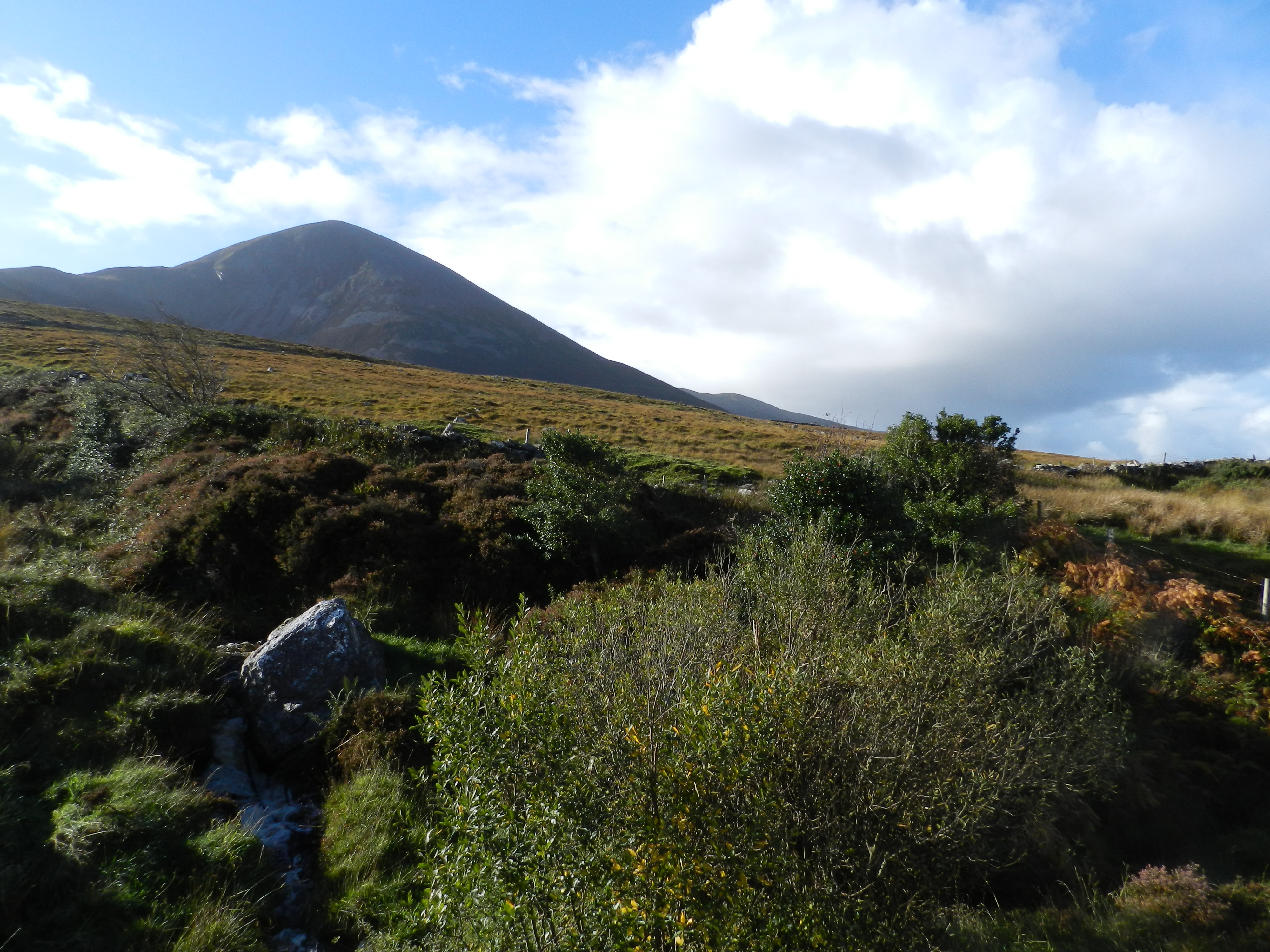
A little slice of Irish and Swiss history for you there. The photo above is a view of Croagh Patrick in Co. Mayo, a famous mountain associated with the man himself. Incidentally, traces of gold have been found there which indicate significant gold deposits but that’s another lost fortune which will never be mined because of the cultural value of the site.


Children behind the gates – writing about historical abuse

2014-03-29 10.58.45

We know what children need – love, protection, guidance, understanding – and we know what a travesty it is when they are deprived of those basic needs. But is this a recent discovery? Looking back at the treatment of children in the care system in the middle of the last century, you might think so.

The 1990s was the decade of revelations about failings and injustice the Irish system. More recently Switzerland has been going through its decade of revelations of historical abuse. It’s a process that is being repeated all around the world and it’s heart-breaking because there is nothing you can do to help those children. It’s too late.

Did the authorities and caregivers in those times have no concept of children’s welfare and emotional needs? I would argue that they did, to a greater or lesser extent, depending on their own experience of home life. But there were limits to their ability or willingness to provide for those needs. And these factors have to be taken into account when writing about this period. If we turn those involved into evil caricatures, we are incapable of gaining any insight into our own failings as a society today.

So why was it that some children mattered less? What was stopping the authorities and religious orders from doing right by the children in their care? Some of the limits stemmed from prejudice – in particular the prevailing prejudice against ‘illegitimacy’ and against the ‘bad poor’.

The stigma attached to children born outside marriage was so strong, so well enforced by the church and its followers, that people could hardly see the child behind the stigma, if at all. The shame and secrecy let the fathers of these children off the hook and also made it possible for families to reject their ‘sinning’ daughters, even to the point of having them locked up for years.

As for poverty, widespread to an extent that we have so quickly forgotten, there were prejudices at work here too. On the one hand you had the ‘good poor’, hard-working, honest people, scraping by somehow, tipping their caps and not making any trouble. And then there were the ‘bad poor’, parents overwhelmed by the daily struggle to feed and clothe their children, families whose mothers lived on the verge of a nervous breakdown, whose fathers turned to drink or crime, whose children appeared neglected. Sympathy for these families was not forthcoming.

That’s to speak of the willingness to care for children who were unwanted or rejected by society in one way or another. I also mentioned the ability to care for these children.

A well-run children’s home should have enough money to provide a good diet for the children, as well as clothes and play materials. In a cold climate it should be well heated. The staff should be well trained and recruited for their aptitude to provide loving care to children. There should be a compassionate discipline policy in place, with good oversight so that there is no room for abuse of any kind. But what if none of these requirements is met?

Let’s put the cruel sadists aside. They are in a category of their own and nothing excuses their actions. What about the ordinary inadequate carers? Two years ago I attended the presentation of a report into allegations of historical abuse at children’s institutions run by the Swiss Ingenbohl Sisters of Mercy. The worst allegations could not be verified but the authors of the report did find “excessive punishment” doled out by some sisters.

It also described the systemic misery for both adults and children living in the homes – long working hours without free time or holidays, large groups of children to look after with insufficient financial means in crowded living conditions and with insufficient infrastructure.

But the ill-treatment didn’t end at the gates. For my story I spoke to a remarkable man, Roland Begert, the son of a Swiss gypsy (Jenisch) woman who was deserted by her husband. He was given up by his mother as a baby and grew up in the system, first with the nuns and afterwards living with a farming family as an unofficial child labourer.

Roland Begert is forgiving of the tough discipline and lack of affection shown by the nuns in the children’s home where he spend the first twelve years of his life. What hurts him most, looking back, was the attitude of the people in the town to the ‘home children’.

The townspeople warned their children not to have anything to do with the ‘home children’ and the local children obliged by throwing stones at them. Roland’s excitement at being sent out to the town school quickly ended when the teacher started bullying him mercilessly.

So while the townspeople loved and protected their own children and did their best to give them a good start in life, they participated in a horrible double standard. Society was complicit in banishing the ‘home children’ from the mainstream in the first place and the community actively kept that exclusion in place.

Writing about failings in a system that happened fifty years ago does not serve any purpose if it stays in the realm of storytelling, with a cast of wicked witches. We have to try to understand the broader mechanisms of society that caused so much suffering if we have any chance of avoiding the same mistakes.

I think a lot of lessons have been learned. One huge problem was that, until recently, society did not allow for children to be raised by one parent, whether for practical or moral reasons. Marriage breakdown or the death of one parent left children in a precarious position. No access to contraception also made it impossible for parents to limit their family size to a level they could manage.

But there are still children behind the gates in society, for example the children of asylum seekers living in direct provision. Few countries today can claim that they have a best-practice care system in place that guarantees the wellbeing and protection of their most vulnerable children. Even Switzerland, which prides itself on ‘Swiss quality’, still does not have an exemplary system, as I discovered recently when researching an article about foster care.

The stories from the past are important and they have to be told. But they have to be told in a fair way and they should never be used to make us feel complacent about our own problems.

The desolation of domestic life

2014-12-21 12.06.59

It’s ok, I’m not talking about my own domestic woes. I’ve just been reading The Springs of Affection by Maeve Brennan, a collection of short stories set in Dublin and written between the 1950s and 1970s when Brennan lived in New York.

In between stories I started the wonderful Academy Street by Mary Costello, in which the main character Tess lives in New York through that same period and beyond. I lived under the melancholy spell of that book for three days, snatching it greedily back up at every opportunity. Academy Street gives the illusion of moving slowly without much drama but before you know it you have been through Tess’s entire life, a patchwork of tragedy, transient love and inertia.

For more on Academy Street I would recommend this fabulous review by fellow blogger and author Anne Goodwin, whose first novel, Sugar and Snails, was published last July.

Tess, with her emotionally debilitating upbringing and tragic lack of self-belief, could be a character from one of Brennan’s stories. But while Brennan reproduced on paper the “petty social intricacies of the city she had left”, she was living the high life in New York, working as a columnist for The New Yorker and enjoying the kind of success and freedom most girls of those times only dreamed about.

After a disastrous marriage, Brennan had a breakdown and her illustrious career – and her life – fell apart. She spent the last fifteen years of her life plagued by alcoholism and mental illness, homeless at times, and died forgotten and penniless in 1993.

Some of Brennan’s characters appear in several of her stories and a lot of the action takes place in one particular house in a suburban street on the city’s south side, in Ranelagh to be exact. This is the house where Brennan grew up, where her family went through precarious times while her father was on the run during the Civil War. In the new Free State, he was on the winning side and the family moved to Washington when he was appointed Ireland’s envoy the United States. Maeve Brennan never moved back.

There is a play, Maeve’s House, based on Brennan’s life which I wish I had seen. It was commissioned by the Abbey Theatre in Dublin and was also staged in New York in 2013. The play owes its existence to an amazing coincidence: the actor performing the one-man show also lived in the house were Brennan grew up. Eamon Morrissey’s family bought the house in Ranelagh from Brennan’s parents when they moved to the US.

Morrissey was surprised to discover in one of her stories an exact description of his childhood home and he contacted her at the magazine; they arranged to meet in New York.
Here’s a review of the New York show.

To get back to the stories. Some are gently moving while others are steeped in despair, portraits of people trapped in prisons of their own making. The title story The Springs of Affection (1972) is the longest in the book and it features one of the most vividly drawn and unlikable characters I have ever come across.

Her name is Min and she is the last surviving member of her family. A seamstress by trade, Min has lived a life of unrealised dreams, defined by envy and spite, but she finds herself on top in the end, triumphant in her longevity.

“Min sat beside her own gas fire in her own flat in Wexford and considered life and crime and punishment according to the laws of arithmetic. She counted up and down the years, and added and subtracted the questions and answers, and found that she came out with a very tidy balance in her favour.”

Min’s brother Martin and his wife Delia are described with scathing disapproval by Min in her recollections. We meet the couple in several of the other stories, notably in The Twelfth Wedding Anniversary (first published in The New Yorker in 1966), where their domestic misery is writ large. When Martin returns home late after ignoring their anniversary, he finds refuge in his family’s slumber.

“… If this night could only last a week, or two weeks, I might have time to get everything straightened out in my head, and then I would know what to do … If they would only sleep happily like that for a long time, he might find himself able to think again. But the coming of day, a few hours off, rose up in his mind like a towering wave that was all the more awful because it would be succeeded after twenty-four hours by another wave, and then another. There was no end to the days ahead, and the ones furthest off, years from now, were gathering power while he stood waiting on the landing. It was a merciless prospect. There was no way out of this house, which now seemed to contain all of his future as well as a good part of his past.”

Oh the unhappiness!