My own personal book awards of 2025

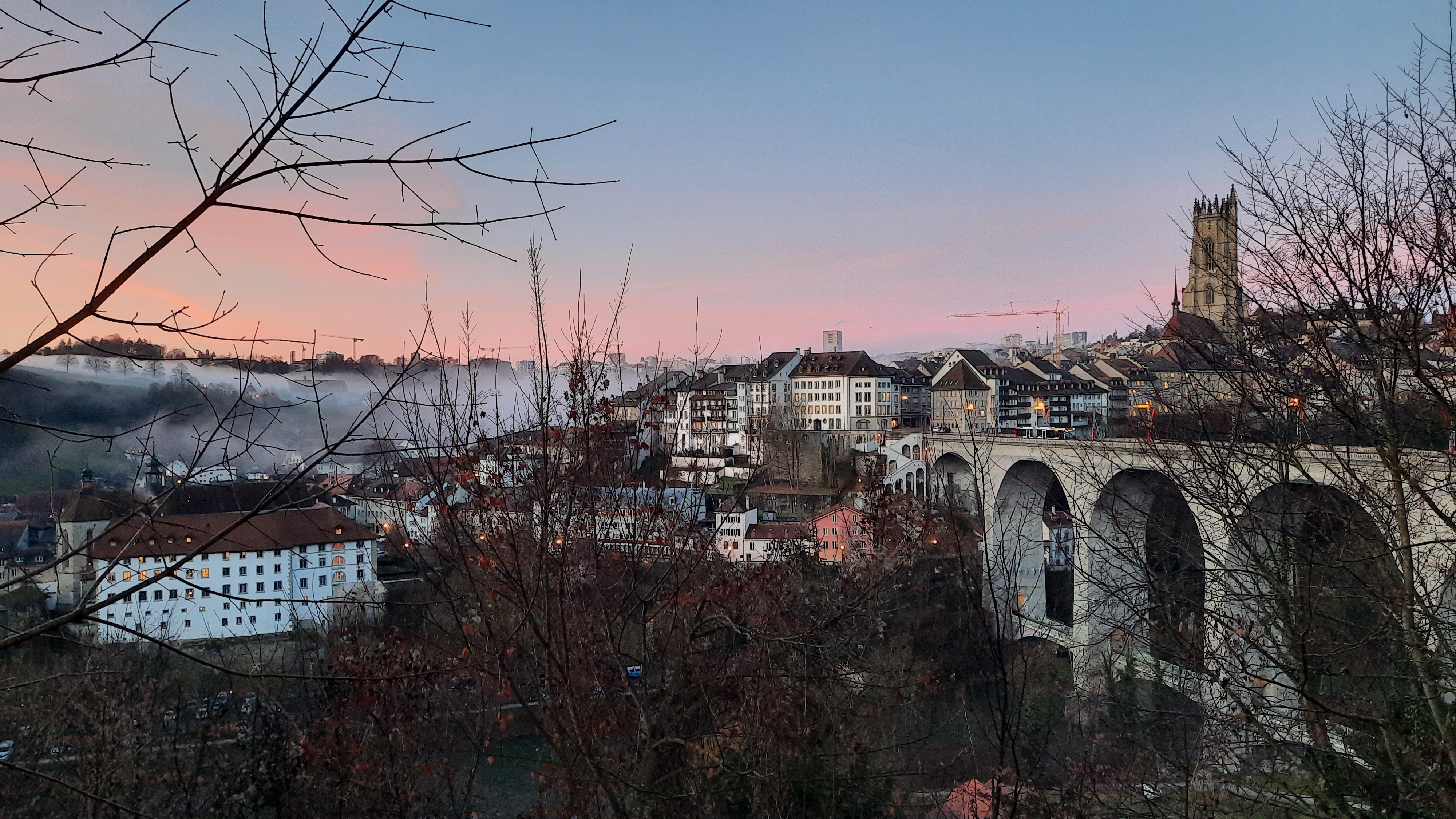
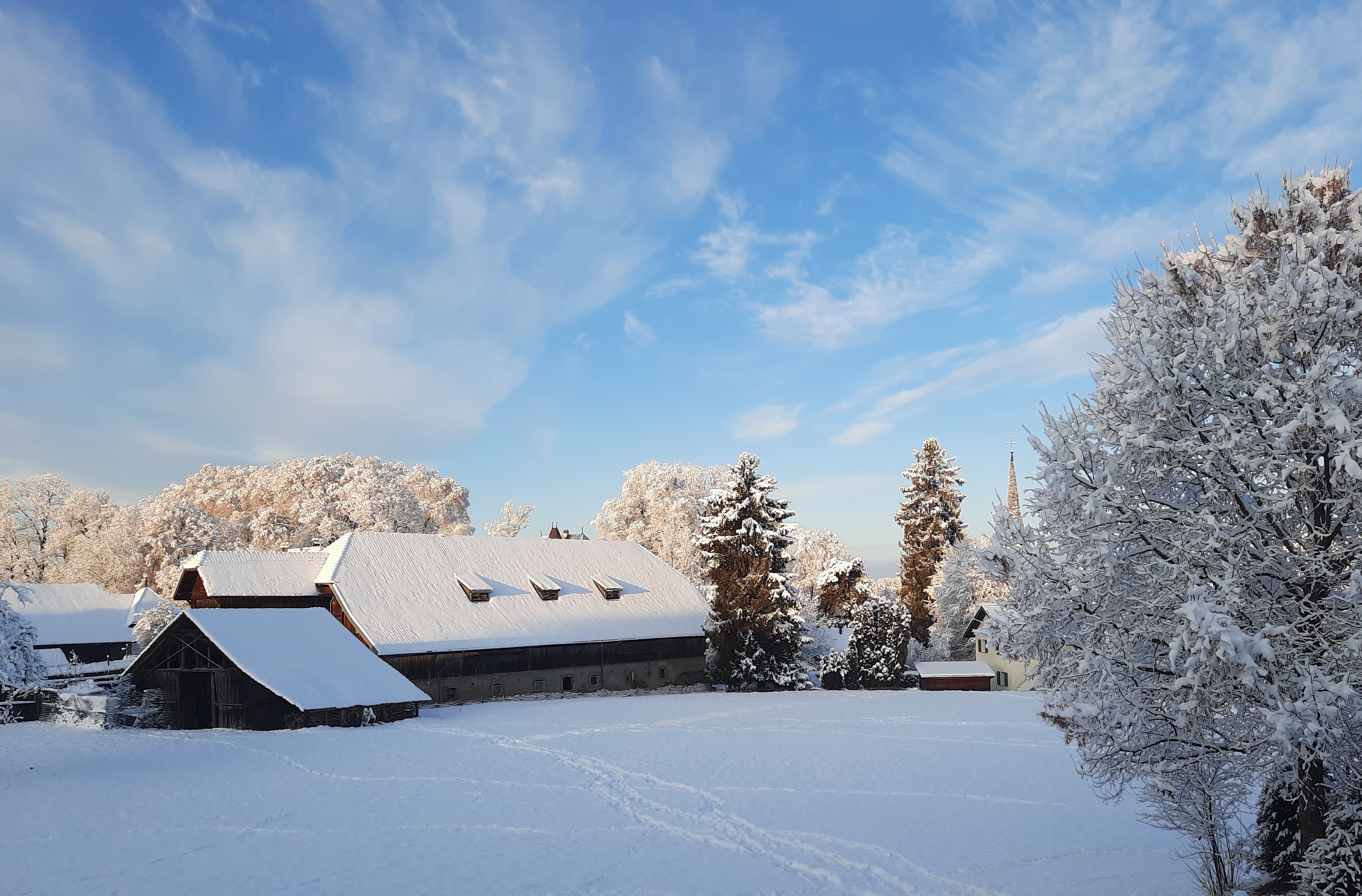
Fribourg at dawn, taken on my morning commute

I’ve decided to run a last-minute mini book awards with a jury of one (me) selecting from the books I’ve read in 2025. Please take a seat and see if you agree with the line-up of winners. We (the royal we) have nine categories this year.

And the Slightly Disappointing Award goes to Tell Me Everything by Elizabeth Strout. It’s only disappointing because I’ve loved everything of hers so far, and this novel I only liked. One too many walks with Bob and Lucy not quite saying what they’re thinking. The murder side plot was good and I wonder if I might have rushed it. Elizabeth Strout needs to be savoured. Might revisit.

Katriona O’Sullivan’s searingly honest memoir Poor wins in the non-fiction category with the award for Best Social Commentary. As the daughter of addicts, Katriona O’Sullivan endured desperate poverty and neglect in her childhood. If anyone doesn’t believe in systemic disadvantage yet, Poor will set them straight.

Also in non-fiction, there is an award for the Strangest / Most Original Book, which goes to The Sound of a Wild Snail Eating by Elisabeth Tova Bailey. This is the experience of a woman who was hit with a sudden and severe debilitating illness that left her almost unable to move. She found solace in the company of a snail accidentally carried into her sick room on a plant. I felt there was a little too much snail and not enough human in the book but still plenty of wonderful reflections on both conditions.

The Best Novel Set in Dublin Award goes to The Coroner’s Daughter by Andrew Hughes. The novel brings to life the dank, disturbing and oppressive Dublin of 1816 and introduced me to the wonderfully spirited and inquisitive character of Abigail Lawless.

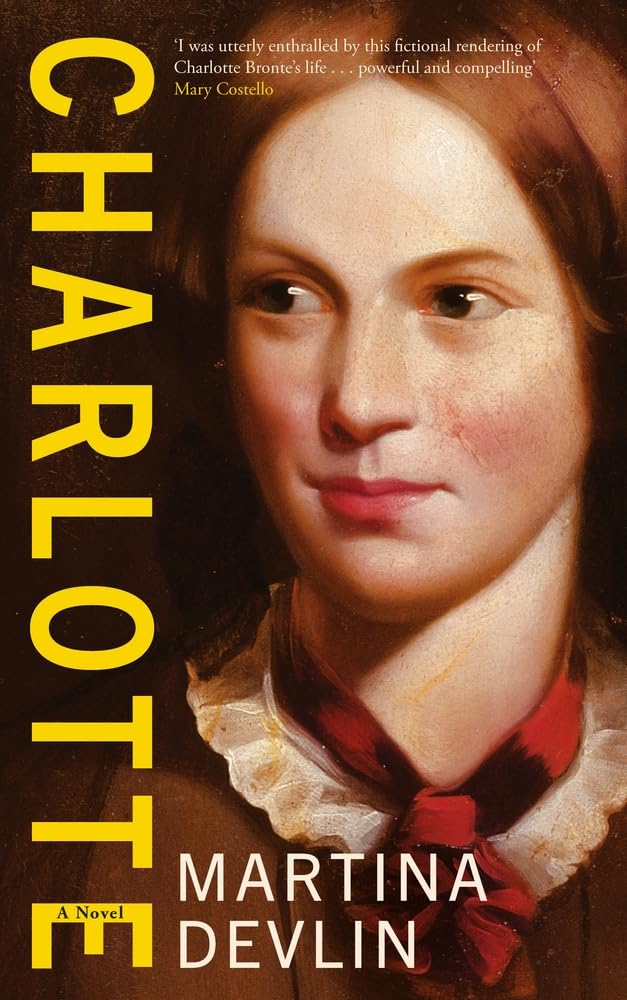
Back to fiction, and the Rich Historical Fiction Award goes to Charlotte by Martina Devlin, an evocative and fascinating tale woven around Charlotte Brontë’s little-known Irish connections. Charlotte spent her honeymoon in Ireland with her Irish husband the year before she died tragically of pregnancy complications in 1855, the last of six Brontë siblings to die young.

The award for the Most Clichéd and Occasionally Sexist Nonsense book goes to Love is Blind by William Boyd. I was given a 10-CD set (don’t laugh) of this book that someone had lying around and I listened to it mostly on car journeys. It could also win an award for the most research dumping about the piano tuning profession, if there was such an award. Having said all that, it was entertaining.

To be more positive, may I present Three Days in June by Anne Tyler which walks away with the Easiest Read Award. Featuring a socially awkward mother of the bride navigating the days before and after her daughter’s wedding, it’s amusing, touching and insightful in equal measures.

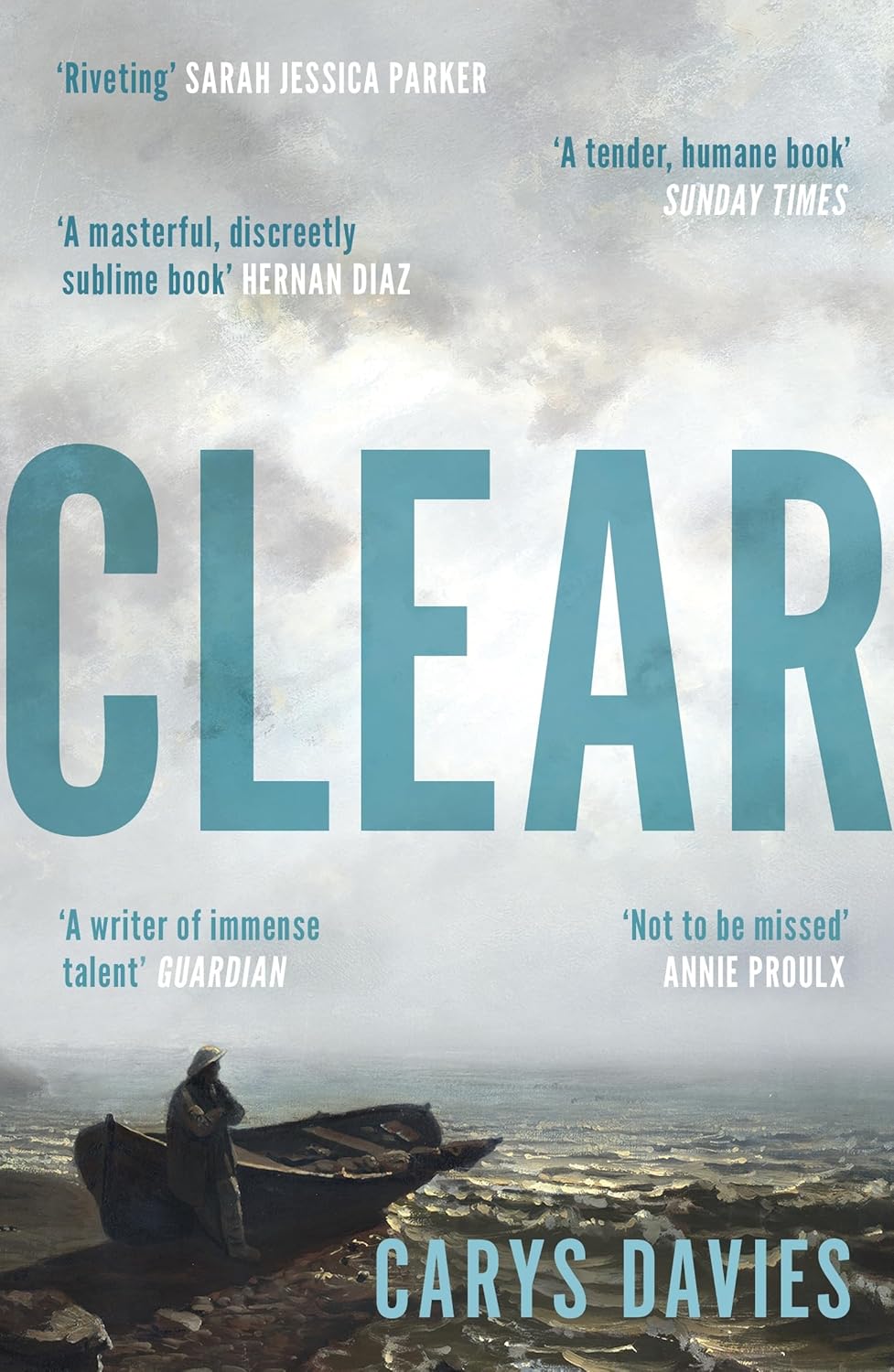
The Most Beautiful Story Award of 2025 is still Clear by Carys Davies, which I read in August and felt would be my book of the year. Set mainly on a remote Scottish island in the 1840s, it’s exquisite in every way.  Ivar, the sole occupant of the island, leads a life of quiet isolation until the day he finds a man unconscious on the beach below the cliffs. 

After listening to Colm Tóibín being brilliant about Henry James on The Secret Lives of Books podcast, his book A Long Winter caught my eye in Fribourg cantonal library.  It’s a long short story that’s just been given the Claire Keegan treatment by being sold as a book. And we are all the better for it! A Long Winter wins the Enchanting Sense of Place Award. In an afterword, Tóibín explains the background to the tragic story of a woman’s disappearance, which he heard during his time living in that region of Spain.

I hope you fall under the spell of one or more of these award-winning titles. Have you read any of them already? And what was your favourite read of 2025?

Celebrating Before the Leaves Fall in three cities

Sarah Moore Fitzgerald and Clare O’Dea at The Gutter Bookshop launch (credit: Ger Holland Photography)

The last few weeks have been all about sending Before the Leaves Fall out into the world. I’ve been touched by the goodwill that surrounded the three events in Bern, Dublin and Geneva. I hope you can get a sense of that atmosphere in these photos.

In Stauffacher in Bern, the Irish Ambassador Aoife McGarry gave a lovely speech before the Swiss launch on October 9th. The Embassy is extremely supportive of the Irish community in Switzerland, which I’ve seen flourish over the past decade especially, with more cultural, sports and business activities than ever.

The Irish Ambassador to Switzerland Aoife McGarry at Stauffacher Bookshop with Clare O’Dea

I got a very warm welcome from Marta in The Gutter Bookshop in Temple Bar, Dublin for the Irish launch on October 23rd, and was delighted to have the older generation represented in the audience by my mother, aunt, godfather and my teacher from first class! The O’Dea clan was out in force.

The evening was made all the more special by the presence of Louise Boland and Laura Shanahan of Fairlight Books who flew over from England for the occasion. Photographer Ger Holland did a great job of capturing the best moments. I’ll add a few more of those pics at the end of this post for posterity.

Louise Boland, Clare O’Dea and Laura Shanahan (credit: Ger Holland Photography)

Next up was Payot Rive Gauche in Geneva on November 6th. A huge thank you to Marianna Baudouin who suggested and hosted the event, and to everyone who turned up to hear more about the novel. On the morning of the event, I did my first radio interview about the book on World Radio Switzerland. You can listen back here.

With Marianna Baudouin of Payot Rive Gauche

There have been some great reviews of the novel on social media and I’m hoping for a review to appear in The Irish Times soon. Fingers crossed! Meanwhile, I enjoyed doing this Q&A for Books Ireland on books that have meant something to me over the years.

I’m not sure where Before the Leaves Fall will take me next but I look forward to meeting more readers and booksellers. Don’t forget to add the book to your Christmas shopping list.  Buy the book in Ireland from The Gutter Bookshop, in Switzerland from Stauffacher or Payot. Or anywhere you like!

Before the Leaves Fall Dublin launch (credit: Ger Holland Photography)

Before the Leaves Fall launch (credit: Ger Holland Photography)

The story behind ‘Before the Leaves Fall’

In just a few days, Before the Leaves Fall will be available in Switzerland. Elsewhere, the launch date is October 23rd. Now that the book is so close to being in the hands of readers, I feel I can tell you more about it.

The first interview about the novel was published by newinzurich.com recently. I’m going to borrow a couple of answers from that interview to tell you some of the whys and wherefores of this standalone story, which is linked to my first novel, Voting Day.

First of all, you should know that this is a story about a person who has decided to end her life with the help of an assisted dying organisation. Even though it is a hopeful story about human connection, healing and self-determination, I do think that it might be upsetting for anyone currently too close to bereavement.

So why would I be drawn to such a sombre topic, and assisted dying in particular? Well, it might be partly to do with being middle-aged and seeing the different, often difficult but sometimes beautiful ways life comes to an end. Or as I said in the newinzurich interview:

“Assisted suicide is always in the air in Switzerland, whether it’s peripherally in news stories or through the direct experience of people you know. I’m interested in how it becomes a path for some but not for others, who may even be suffering more.”

Introducing Ruedi and Margrit

One of the conversations my two protagonists have is about what makes life worth living, or not. They are past any pretence and can speak honestly. So, who are these characters? Ruedi is a Swiss widower in his seventies living in Bern. He worked for the Swiss Federal Railways until he had to retire early to look after his sick wife. As a child, he spent time in care and he still feels shame about his origins. Ruedi is freshly trained in the role of facilitator for Depart, a fictional assisted dying organisation, and Margrit is his first client.

“Margrit is in her late eighties and has become quite contrary in old age. She has a strained relationship with her two sons and has lived a life of material comfort but ultimately failed to find meaning or satisfaction in her lot as a traditional wife and mother.  When the two characters realise their paths have crossed before, it sparks some new self-discovery for both of them.”

If you’re familiar with Voting Day, set in 1959 on the day Swiss men voted ‘no’ to granting women the vote, you will recognise these names. Ruedi was a foster child in that book and Margrit, a young woman struggling to maintain her independence, was kind to him.

There are a lot of authors who revisit characters from one book to the next. Jonathan Coe, whom I had the pleasure of interviewing this week in Geneva, has done it a lot, as has another of my favourite authors Elizabeth Strout. Donal Ryan recently released Heart, be at Peace, “a heartfelt, lyrical novel that can be read independently, or as a companion to his first book The Spinning Heart“. I like that way of phrasing the connection, and might borrow it, if Penguin Random House doesn’t mind.

A tale of two launches

For the Swiss contingent, I hope to see some of you at the launch next Thursday, October 9th at 8pm in Stauffacher Bookshop in Bern. There’s a link to sign up for the event (Anmeldung) but you can also turn up on the night and buy a ticket at the door (CHF 15). I’ll be in conversation with Helen Stubbs Pugin and the discussion, followed by signing and apéro, will be in English.

Irish friends, readers and country(wo)men are warmly invited to the Dublin launch at The Gutter Bookshop, Temple Bar on Thursday, October 23rd at 6.30pm. Sarah Moore Fitzgerald will be hosting that gathering and I can promise Swiss chocolate, just as we had for the launch of The Naked Swiss in the same venue in 2016.

I’m very grateful that my editor from Fairlight Books, Laura Shanahan, will be joining us for the Dublin launch. And the Irish Ambassador Aoife McGarry will say a few words of welcome at the Swiss launch.

If you can’t make it to either of those countries on either of those dates, you can really help the visibility of Before the Leaves Fall by ordering it already at your local bookshop or online, and by spreading the word. Part of me is nervous about what reception this book will have but I wouldn’t be taking the leap if I didn’t trust that some readers will find truth in it and new things to think about.

Summer reading, autumn happenings (save the date!)

Two high points of my childhood summers were berry picking and wild swimming. Those two free pleasures are still part of my life, and I managed to do both today – pick blackberries in the forest and go for a dip in my local river. With a good book thrown in, the perfect Sunday.

I’ve read more than usual this summer, helped by the fact that I have access to an endless supply of books at my day job working for a book distributor. I’ve just finished The Paris Express by Emma Donoghue, a real page-turner about a train hurtling towards disaster in 1895.

The novel is based on the true story of a derailment and, to create her characters, Emma Donoghue used the biographies of real people who were either on the train or could well have been. She says she drew on more than 40 articles about the accident in 26 publications. To find out more about the individual lives, especially uncelebrated ones, she “ransacked the wonderful hoard of French bureaucracy filae.com”.  The result of all this – apart from a gripping, richly-imagined story – is that you find out what became of the main characters in later life.  

Recent favourite reads include Tell Me What I Am by Una Mannion, Shy Creatures by Clare Chambers, Love is Blind by William Boyd, Audition by Katie Kitamura and the unforgettable Clear by Carys Davies.

Meanwhile preparations for the publication of my new novel Before the Leaves Fall are continuing and it’s time to save the date(s)! The Swiss launch of the book will take place in Stauffacher Bookshop in Bern on Thursday, October 9th at 8pm. The event is being generously sponsored by the Irish Embassy. Full details at this link.

Two weeks later in Dublin, the Gutter Bookshop in Cow’s Lane will host the Irish launch on Thursday, October 23rd, time tbc. All are welcome. I’m extremely grateful to both bookshops, who have a great record in supporting authors.

In between, I’ll be at the Frankfurt Book Fair for work and will hopefully steal a moment to present my book to Literature Ireland, which publishes a catalogue of translation-worthy new Irish fiction titles. I’d love to see the book translated into the Swiss languages as Voting Day was.

Before all that, September has some literary treats in store. I’ll be attending the annual Le livre sur les quais festival in Morges on the weekend of September 5th-7th. The full English programme has been published and it includes Natasha Brown, Alan Hollinghurst, Caroline Bishop, Mark O’Connell, Claire Massud and more. I’m very pleased to be interviewing Padraig Rooney about his biography of Annemarie Schwarzenbach, one of the most interesting Swiss women of the 20th century. That event is at 1pm on Saturday 6th in Hotel La Couronne.

At the end of September, the wonderful Jonathan Coe is coming to Geneva as a guest of the Société de Lecture. I will be interviewing him in the elegant salon jaune on Monday, September 29th. There’s lots to talk about in his latest cleverly-plotted, satirical, dark-yet-funny novel, The Proof of My Innocence.

With all that hopping around, I hope I get to see some of you over the next couple of months. For now, let’s enjoy this summer feeling and any good books we find along the way.

Second novel publishing in October 2025

At last I can share the good news that my second novel will be published in October by Fairlight Books. Before the Leaves Fall is set in present-day Switzerland and tells the story of Margrit and Ruedi who have come together for the most important of reasons.

Here’s the text from the back cover:

“Seeking a new purpose in life, Swiss widower Ruedi signs up to work with Depart, an assisted dying organisation. His role is to spend time with those who have sought out Depart’s services, acting as a guide and companion in their final weeks.

Margrit, his crotchety first client, wants only to get on with things. Marking time in a care home, with poor health weighing down on her, she has decided it’s time to go. Her family are upset by her choice, but she is determined. By the end of the summer, she’ll have left the world behind – and on her own terms.

Yet when she and Ruedi realise their paths have crossed once before, an unexpected bond forms. One that will illuminate both their lives.”

If you ask me what the book is about beyond the story, the answer changes all the time. I could say it’s about relationships and regrets. Or that it’s about the things we hide and how small steps can lead us astray in life. It’s also about the magic of human connection and making up for lost time.

Those who’ve read Voting Day (set in 1959) will recognise the two main characters but Before the Leaves Fall is a stand-alone novel.

I hope that readers will identify with these characters and take them to their hearts. I’m excited to find out what you all think but I’ll just have to wait!

Irish authors winging their way to Switzerland

Martina Devlin, author of Charlotte. Picture credit, Steve Humphreys

All winter, the various Irish groups in Switzerland have been meeting regularly online to plan Ireland Week. And now that St. Patricks’ Day is approaching, we’re counting down to the first events next weekend.

The Ireland Week programme includes one Fribourg event, where I will get to interview award-winning Irish author and newspaper columnist Martina Devlin. If you’re within reach of Fribourg city, do join us at Centre le Phénix, rue des Alpes, on Saturday 15th at 5pm. The talk will be followed by music and drinks.

Martina’s latest novel, Charlotte, explores the little-known Irish connections of Charlotte Brontë, who died less than a year after her honeymoon in Ireland. At that stage, Charlotte had lost all five of her siblings and this was her brief chance at happiness. Her Irish widower went on to marry a younger cousin who had met and admired Charlotte on that Irish trip and would remain forever in her shadow.

We’ll be talking about Charlotte, and perhaps some of Martina’s eight other novels. Early this century, Martina and I crossed paths briefly as journalists in Dublin so there’s a high risk we’ll also touch on current affairs. I am so pleased to have this opportunity to present such a talented writer to a Swiss audience. Full details on the Irish Festival website. With thanks to Tourism Ireland, Colm Kelleher and the Irish Embassy for their support.

Meanwhile in Zurich, fans of Irish literature will be spoilt for choice, with five ‘Irish Voices’ author events during Ireland Week, as well as a literary pub stroll, a writing workshop (in German) and ‘A Dublin Man’s Guide to Zurich’ walking tour. Back to the Ireland Week link for details and you can enter two competitions to win flights to Ireland while you’re at it.

The Irish Voices series is organised by the Swiss Centre of Irish Studies and hosted by the Zurich James Joyce Foundation. The series kicks off with Martina Devlin (in Zurich) on Friday 14th at 7.30pm. Wendy Erskine, Melatu Uche Okorie and Elaine Feeney will each have their own event, finishing up with the authors of the Complete Aisling series, Orla Breen and Emer McLysaght on March 22nd.

Just before Ireland Week, on March 11th, Colum McCann will be at the Literaturhaus in Zurich to talk about his new novel, Twist. I believe that event is almost sold out. But you can check on the Literaturhaus website.  

I would love to go to all these events but I’m going to be at the London Book Fair and the Salon du Livre in Geneva for work, which clashes with everything. Luckily Martina Devlin can make time to come to Fribourg in between!

While I’m in London, I’m also going to meet my UK publisher and editor in person for the first time, even though we’re well advanced on book two! Can’t wait to hear about Fairlight Books’ plans for my new novel. The title and publication date should be announced very soon. Hopefully that will be my next post!

Enjoy Ireland Week & St. Patrick’s Day, let me know what you get up to, and may the sun shine warm upon your face etc.

A new novel and other exciting news

Popped into the legendary Irish College on a visit to Paris with my sister in September!

Six months ago, I started a new job working for a Swiss book distribution company. It was getting more and more difficult to make a living as a freelancer so I decided to come in from the cold. That’s why you haven’t heard so much from me recently.

On my first day, I was shown around the warehouse, a stopping point for three million books that might or might not be picked one day. A few copies of my own books were in among the multitudes. Surrounded by all that human endeavour, I felt a mixture of admiration and discouragement.

Since then, I’ve had good news on the publishing front. Fairlight Books, the UK publisher of Voting Day has decided to publish my second novel next autumn. I’ll tell you all about it with plenty of fanfare when the news is official.

At the moment I’m working on edits to the book, adding new scenes and finishing touches. It’s such a relief to have the backing of an editor again! I can’t wait to see what readers think of this story, which touches on existential questions.

Now that I have a regular day job, I’m not publishing journalism anymore, for the first time in almost 30 years. Before signing off, I published a collection of my recent articles (2022 – 2024) in the ebook All About Switzerland. All purchases and reviews greatly appreciated!

Thankfully I still have my writing life. One of the things I enjoy most about being an author is the comradeship of other writers. Three of my Swiss-connected allies have books coming out in the first months of 2025 and I encourage you to discover their work.

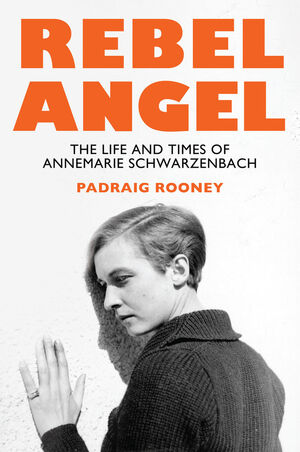
Padraig Rooney is back with Rebel Angel a biography of the Swiss icon Annemarie Schwarzenbach, “one of the twentieth century’s most remarkable women, possibly the greatest sexual and political radical of the 1930s”. To be published by Polity Books in February.

Padraig is also the non-fiction judge for the relaunched Geneva Writers’ Group Literary Prize. The GWG Literary Prize 2025 invites writers to explore the power of hope and the resilience of the human spirit. The categories are fiction, creative non-fiction and poetry and the submission deadline is January 31st. Entering a writing competition could be a great New Year’s Resolution … why not?

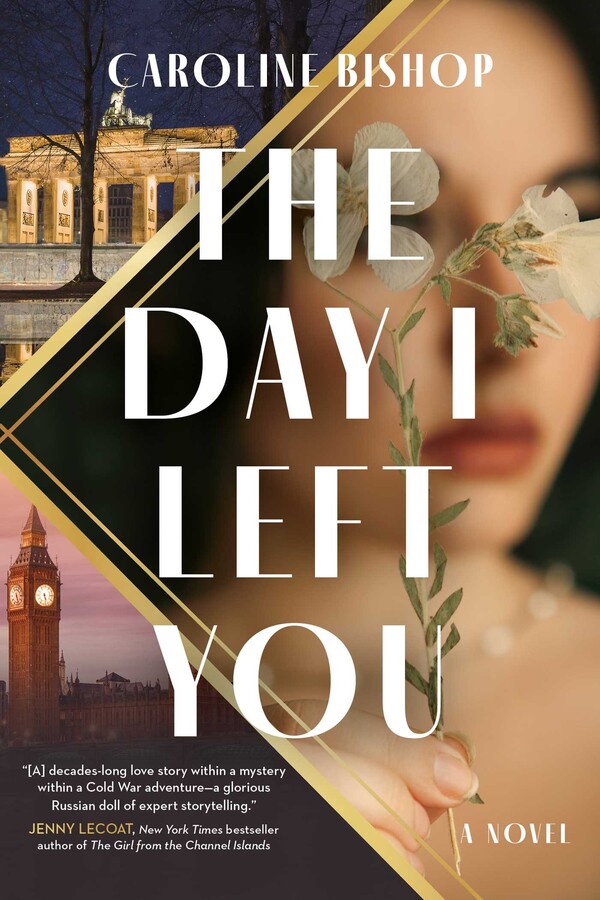
Also in February, Lausanne-based Caroline Bishop is publishing her third novel, The Day I Left You, set against the backdrop of the Cold War. I just know I’m going to love this one: “An epic love story about Greta and Henry, who by chance meet in 1982 East Berlin and find a love that’s meant to last a lifetime—until Greta vanishes.” Published by Simon & Schuster.

And in April, also with Simon & Schuster (Seventh Street Books), Kim Hays will publish the fourth crime novel in her Polizei Bern series, Splintered Justice. After a tragic death at the Münster Cathedral in Bern, homicide detective Giuliana Linder and her investigating partner Renzo Donatelli have to contend with powerful lies and the passage of time to get to the truth.

For anyone near Geneva, you should keep an eye on English programme of the Société de Lecture. This year, their guests included Deborah Levy and Rachel Cusk, both of whom I had the honour of interviewing. Next year I’ll be in the hotseat myself, speaking about The Naked Swiss on January 22nd. I’m also very excited that I will get to interview David Nicholls in May!

The Irish Festival Fribourg/Freiburg will also be back in a small way in March, hosting a literary event as part of Ireland Week. We’ve booked a fantastic Irish writer but that news merits a dedicated blogpost announcement so I’ll save it until January.

I’m planning to keep up more regular contact through this blog in 2025. In the meantime, I wish you happy reading and writing, a relaxing Christmas break and a bright New Year.

A radio interview and a publishing dilemma

The Swiss version, featuring a house from Mary Shelley’s time, if not before.

Today my family WhatsApp groups are full of photos of the snow in Ireland. If there’s one thing that makes Irish people happy, it’s snow. Another thing Irish people love is talking. Which is why we have so much talk radio to choose from.

I recently did an interview with Dublin South FM which I’m pleased to share with you. Rhyme and Reason is the name of the show and it features a different writer each week talking about their life and work. I got to choose three pieces of music and a Swiss poem. Many thanks to the presenter Helen Dwyer for the invitation!

Last month, I also got to meet and interview the talented Dutch writer Anne Eekhout (rhymes with stakeout, I discovered) at the Société de Lecture in Geneva. Anne’s fourth novel, Mary and the Birth of Frankenstein, has been translated into English.

Every time I read or meet an author writing in a language other than English, I am reminded of how rare and difficult it is for them to have their books translated into English. The translation traffic is overwhelmingly one-way, and it’s a real shame.

A life of extremes

Anne’s new book is a fictional reimagining of the life of Mary Shelley, set between Dundee in 1812 and Geneva in 1816. Mary Wollstonecraft Godwin Shelley had an extraordinary biography, starting with her parentage and the radical opinions she was exposed to at home.

After running away from home with Percy Shelley at 16, Mary’s youth was marked by intense self-education, intense romantic feelings, intense grief, adventurous travel and hard work. You can only marvel at her resilience and productivity.  

I have to agree with Mary Shelley’s biographer Miranda Seymour, who reviewed the novel for the Financial Times, that Anne Eekhout did an amazing job inhabiting Mary’s spirit and bringing us into her world.

To be or not to be?

As for that dilemma I mentioned, it’s an age-old question: What to do if you can’t find a place for your book in the market. Should you conclude it was never meant to be, and move on the next project? I’ve done that before, more than once, and it hurts! But if I hadn’t moved on and written something new, I would never have been published.

Then again, sometimes it’s wrong to abandon your work to gather cobwebs. If you did a good job, what a waste! At the Geneva Writers’ Group conference last November, I attended a workshop with April Eberhardt who is a US-based author advocate (great job title).

April has observed that traditional publishing is moving too slowly and new models are filling the void. She sees this as a good thing because it’s giving authors more control and more choice.

According to April, authors should of course try their dream publishing option first. But if that fails, you need a Plan B. I have written a children’s novel that I would now describe as ‘Prophet Song’ for kids. It’s about a brother and sister on the run in a country controlled by a sinister, all-powerful company. I haven’t been able to find a publisher for this story, even though it’s timely with the current drift away from democracy in so many countries. And it’s a great adventure story.

So, what better focus group to ask. What do you think I should do? Should I self-publish this book even though it’s in a new genre for me and would involve a fair amount of effort and some expense? Or should I wait for publishing prince charming to come and rescue me?

Any advice appreciated!

Behind the scenes: the slow business of show business

The first quarter of the year is over and the Irish Festival Fribourg/Freiburg is taking shape. A lot has been accomplished since I last wrote about the festival in October. Even though there is plenty more to do, and it feels as if new tasks are added to the list daily, we are also seeing the first results of the winter’s work.

I’ve attended my fair share of cultural events over the years but only once before actually worked on the organisational side. That was in 2003, the last job I had before I left Ireland for good, when I worked as a producer for Gúna Nua theatre company. I’d forgotten how enjoyable and satisfying it is to make things happen! But, my God, where did that 20 years go?

The most important breakthrough this year was that the Agglomération de Fribourg, the equivalent of the city council, decided to back the festival. Without their support, other potential funders would automatically have said no.

We got the news on March 9th after sending in our 25-page application at the end of November with 13 supporting documents. More supporting documents were requested in January, including a contract with one of the venues. The project was discussed at three meetings before we finally got the good news. A champagne moment. 

Group effort

Having the support of the Irish Embassy, Tourism Ireland, Fribourg Tourism and the Irish Film Institute International helped make our case much stronger. There are still some funding decisions to come in and possibly more applications to send out. In the meantime, we are getting everything else lined up – the programme, the venues, the website, publicity, ticketing, volunteers, insurance, travel … the list goes on.

Now it’s as sure as sure can be: Ireland is coming to Fribourg for the weekend of 6-8 October. Save the date! We’ll be announcing the programme in June, which is suddenly around the corner. Just a note that I’m not using the royal we. I’m joined in the whole enterprise by two brilliant Fribourg women – Julie Hunt and Deirdre Coghlan. Follow the festival Facebook page to hear more about our progress.

Book anniversary

In other news, it’s a year since Voting Day was published by Fairlight Books, and two years since the Swiss edition came out. I’m visiting two Swiss schools in the next few weeks to talk to students who’ve studied the novel and I’ve been invited to a university in Poznań in Poland later this month for the same reason. I’m delighted the story is still making waves, and I love meeting readers of all ages.

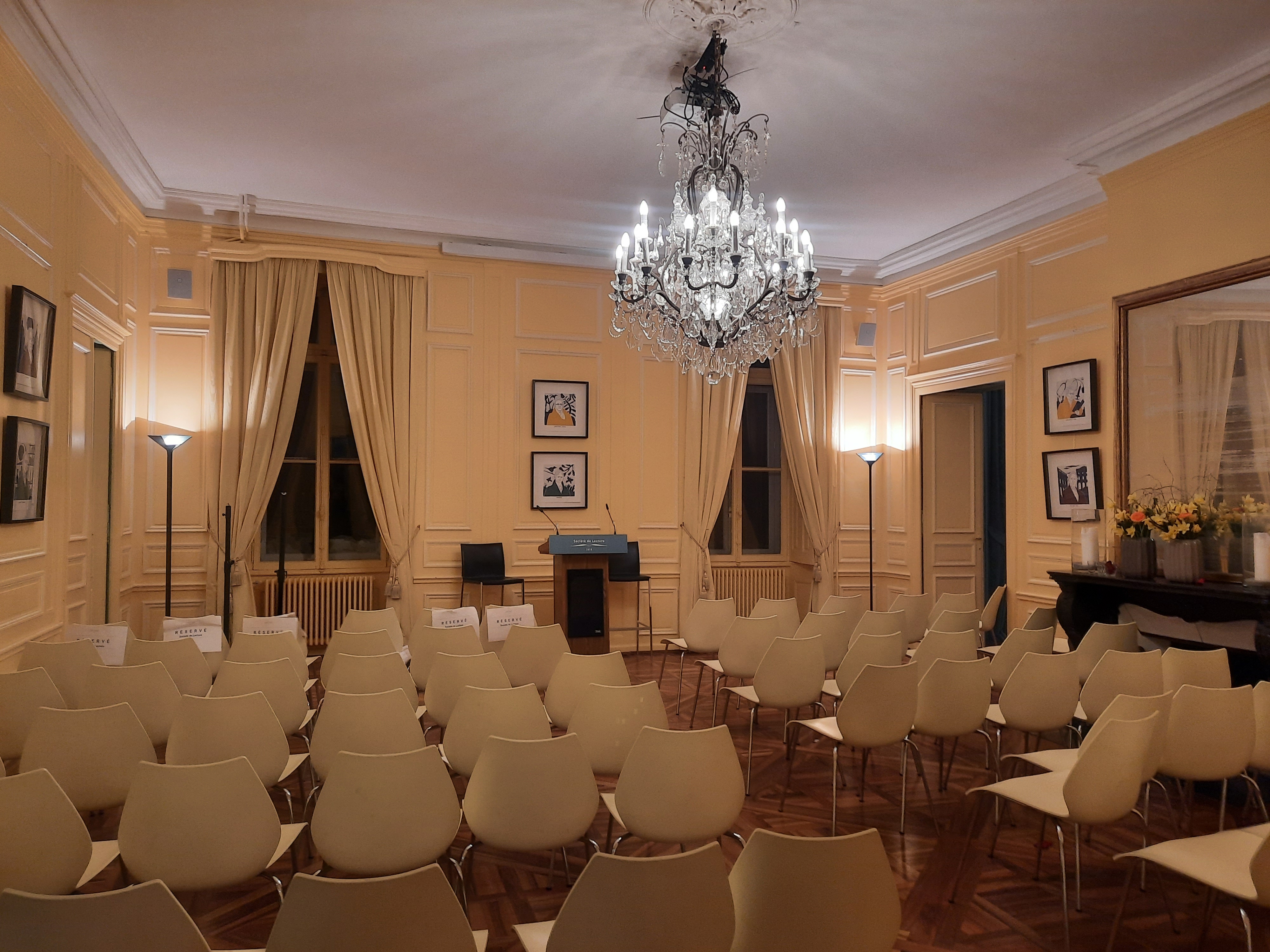
On my own reading pile, I’ve been working my way through the excellent Wyndham-Banerjee series of crime novels, set in Calcutta in the 1920s. I was lucky enough to interview the author Abir Mukherjee at the Société de Lecture in Geneva last week. We were in the beautiful yellow room you see above. I don’t have photos of the event yet.

More reading tips

My standout read of the year so far is Haven by Emma Donoghue, an extraordinary, captivating story set in seventh-century Ireland, featuring three monks on a quest to found a monastery in the most inhospitable place possible – Skellig Michael off the coast of Kerry. It was amazing to be transported back that far in history. Donoghue must be one of the most accomplished writers of historical fiction working today. I can also highly recommend the film adaptation of her 2016 novel, The Wonder.

And there’s a treat in store for fans of Swiss crime fiction with the publication of the second title in the Polizei Bern series by Kim Hays this month. Sons and Brothers centres on the suspicious death of an eminent (but not very likeable) heart surgeon whose body is pulled from the Aare in Bern on a winter’s night. The investigation leads detectives Giuliana Linder and Renzo Donatelli back to the doctor’s childhood home in the Emmenthal region.

Time for me to wrap up and wish the readers of this blog a pleasant Easter break. This is birthday season in our home with three birthdays coming up next week, so my to-do list is taken over by presents, cakes and parties for the next while. A very welcome change.

All kinds of everything from TEDx to theatre

Geneva Graduate Institute in March 2022

One of the challenges of working as a freelance writer is that you constantly have to renew and redirect your career. It does not happen by itself. At the beginning of this year, I set myself the goal of writing more journalism because 2021 had been a bit of a fallow year for journalism after taking a detour into science writing and communications for a while.

I also wanted to write another book in 2022, and I put together a proposal for a Swiss true crime book. In hindsight, I’m glad that project didn’t work out because the crimes were gruesome and I think writing about them would have taken its toll.

If I do manage to produce the bones of a book this year – and time is running out – it’s more likely to be fiction, as I have something percolating in the back of my mind and I’m waiting for news on a related funding application, coming next month. Fingers crossed!

One really positive development was that I completed my first literary translation, a long-standing goal. I had the pleasure of translating a play by Joëlle Richard from French to English. I have translated non-fiction books in the past but this was a different kind of challenge. Very rewarding.

The play Mångata (a Swedish word for the road-like reflection of the moon on the water) tells the story of a Venetian woman who falls in love with a mermaid. It’s a bittersweet contemporary fairy tale about love, lockdown, isolation, self-hatred, gender fluidity, tolerance, female desire and empowerment. It packs a punch, and will be performed in Fribourg in the original French in September.

Opinion writing

On the journalism front, I have become a regular contributor to The Local Switzerland and I’d like to share some of my opinion pieces here in case you might be interested. If you’re based in Switzerland, it would be worth subscribing to the website which produces extensive coverage of Swiss news plus a lot of material that’s helpful to Swiss residents.

It’s also possible to read a couple of articles to get a taste without hitting the paywall. Some recent articles of mine include pieces about the climate crisis, food security, abortion, the European Union and Ukraine. The picture below is the river I mention in the climate story.

I was also thrilled to be able to write about Voting Day in the Irish Times around the time of publication. I find it interesting and disappointing that although Irish women had the vote 50 years before Swiss women, it hardly did them any good. Cold climate for Swiss and Irish women with or without the vote – The Irish Times

TEDx

An expected opportunity came along in March, when I was invited to give a TEDx talk by students at the Geneva Graduate Institute. My topic was the lack of voting rights for foreigners and TED chose to feature the talk on their website, which meant it was only released online two weeks ago. Check it out! (If the embed doesn’t work, you can click on the hyperlink in the previous sentence.)

To round off this writing news update, a reminder that Le Livre sur les Quais festival is taking place next month in Morges. I’ll be interviewing four writers in two events this year. The guest country of honour this year is Iceland so it’s a wonderful opportunity to discover Icelandic writers. The English programme is not up on the website yet; will keep you posted.

Enjoy the rest of the summer, preferably in the shade!

The River Gérine in Marly