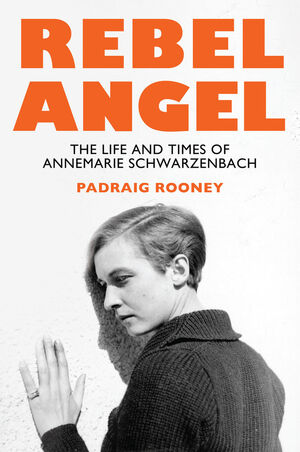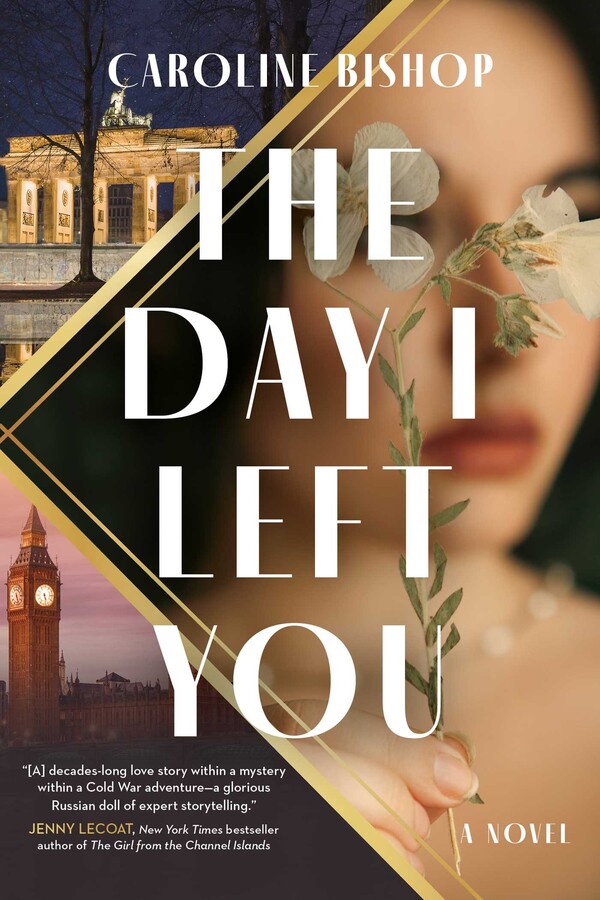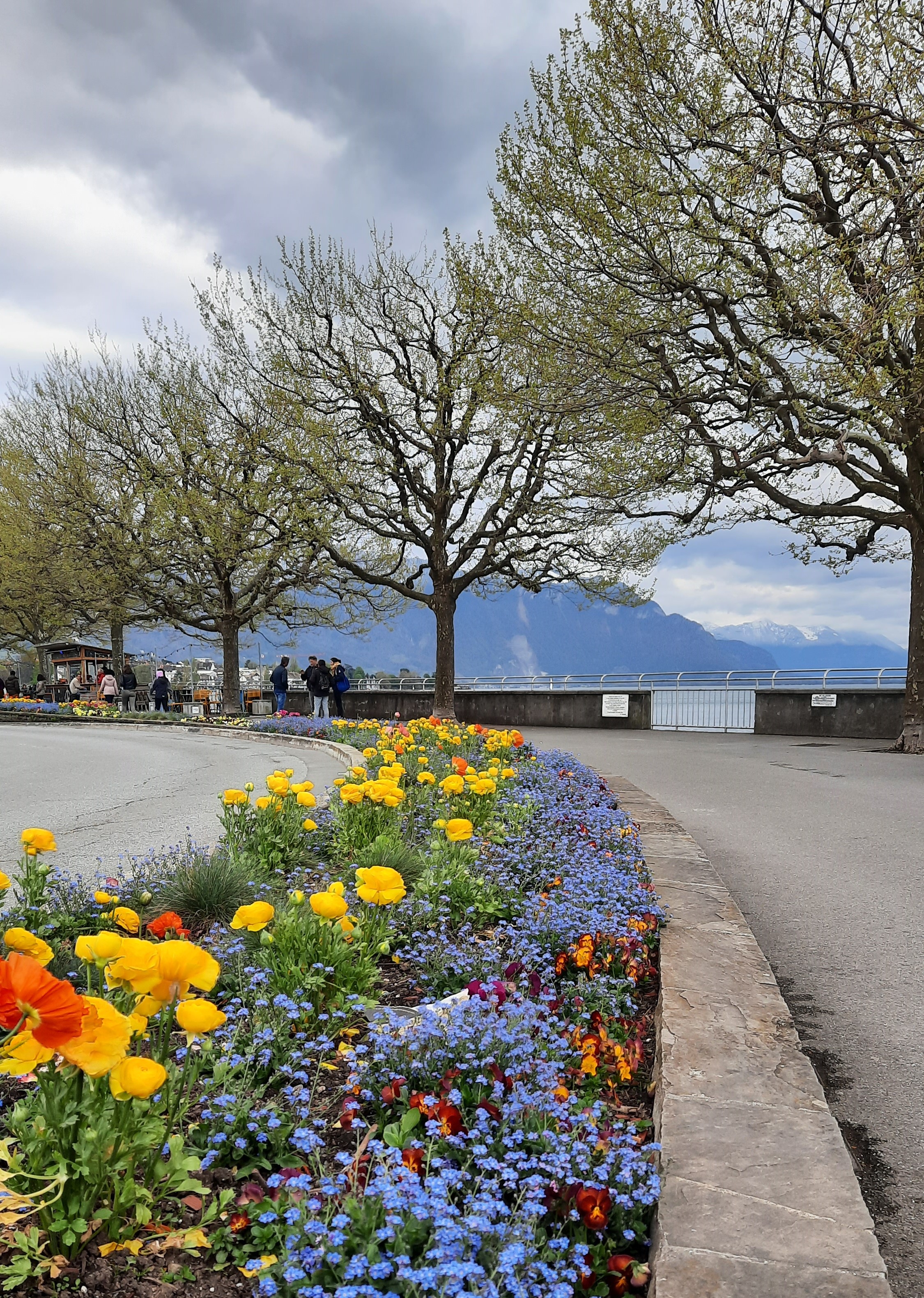
New ebook launches today: All About Switzerland

Did you know that I’ve been writing about Switzerland for twenty years? Most of that writing has taken the form of journalism, and today I have something new to share with you – a book of selected articles written for The Local Switzerland between 2022 and 2024.

All About Switzerland officially launches today as an ebook, available on Amazon, Kobo, and other online retailers. With the support of The Local Switzerland, I hope to reach new readers who are interested in gaining insider knowledge about this special country.

Now’s your chance to get up to date on Swiss current affairs and society, with sections on money, the future, women, foreigners, Europe and more. Who are the elite in Switzerland? What are the best cantons for foreigners to live in? Why is Switzerland failing in the fight against money laundering? Find out the answers to these questions and many more in this broad-ranging mix of facts, analysis and personal perspective. 

There are no FAQs about this ebook because it’s brand new! But here, to put you in the picture, are some questions I anticipate.

What’s the book about?

The book contains a selection of 29 news and background articles, opinion pieces and personal essays about Switzerland. The articles were first published online between 2022 and 2024 in The Local Switzerland. I have grouped the articles into themes, and added an introduction and key facts. Some of the articles are fun but most are serious. It’s basically an up-to-date guide to Swiss society and current affairs.

What is The Local?

Founded in 2004, The Local provides news, advice and essential information to readers in nine countries across Europe. As well as in Switzerland, The Local has teams of journalists on the ground in Sweden, Norway, Denmark, Germany, France, Spain, Italy and Austria. Here is a piece I wrote for The Local about how Switzerland has changed over the past 20 years.

Who is All About Switzerland for?

Readers who enjoyed my first book, The Naked Swiss: A Nation Behind 10 Myths, will feel at home with All About Switzerland. It’s for people who want to understand Switzerland better, either because they live here or have a special interest in the country. It’s for people who like their non-fiction to be informed by thorough research and direct experience.

Why are you publishing All About Switzerland?

It seemed to me that this body of writing would add up to something greater than the sum of its parts. I thought it deserved a wider audience and, luckily, The Local agreed. Put together, these articles give a comprehensive picture of modern Switzerland for an English-speaking readership, neatly filling the gap left since the publication of last edition of The Naked Swiss in 2018.

How are you publishing this ebook?

This is a self-publishing venture and experiment in one. The content is fresh and should be published immediately, the kind of turn-around that is not possible with a traditional publisher. I have used the platform IngramSpark, which lists the ebook on the larger retailers’ websites, collecting the sales data and proceeds minus a nice commission. I designed the cover myself, with the help of Canva and Unsplash (thank you, Baptiste for the lovely image of Lucerne). Backed by The Local, I’ll do my best to make the ebook visible. Hopefully, the right people will hear about it and buy it.

Where can I buy All About Switzerland?

The ebook should be easily findable through the main online retailers. The design works on all kinds of ereaders. All About Switzerland costs between 5.00 and 7.99 in the three main currencies: francs, euros, dollars. Buy the ebook online at Amazon France, Amazon Germany, Amazon UK, Amazon.com, Kobo and elsewhere.

Why just an ebook?

Publishing an ebook is quicker and simpler than publishing a regular book. Because this is a one-woman, learning-by-doing operation, I’d like to see how well it all works with the ebook first.

How can I support the launch?

The fact that you’ve read this far is already very encouraging! Buying the book is a fantastic way to support the project. Those early sales really help with visibility and algorithms. Spreading the word is also a big help, whether it’s by sharing social media posts, talking about the book in your circle or posting reviews wherever you are active online. Feel free to use the hashtag: #allaboutswitzerland

Many thanks in advance for your support! And thanks to Ben McPartland of The Local for being a great editor, to Helen Baggot for proofreading, and to Kim Hays for being such a loyal reader of these articles.

Feel free to drop by again with comments on the book. Besten Dank! Merci mille fois!

Eighteen years of motherhood

This time eighteen years ago, with sleet falling outside and daylight fading, I was in a hospital in Lausanne, not quite believing that the doctor was saying, “poussez, poussez”. After all the births I had seen on television, I never imagined I’d end up doing it myself in a different language.

The delivery room was full of people, including paediatric staff on stand-by with incubators waiting to whisk the premature babies away. After the first baby was born, two nurses held my midriff tight to stop the other one changing position. Twenty minutes later, the second baby was born. Both small but perfect. Two girls.

Four years later, almost to the day, I was in a different delivery room, this time in Fribourg, for the birth of my third baby. She was full-term but in breach position so it was a caesarean. I remember finding it frightening to be so incapacitated by the scar for several days afterwards. I had such a powerful need to be well enough to pick her up and run from danger.

My three babies have grown into strong and beautiful young people. The girls turned our home into a love factory, bringing joy and delight on an endless conveyor belt. But you have to work in a factory! Luckily, their father and I loved the work.  

I would like share some thoughts about what I’ve learned from being a mother to three Swiss-Irish girls. I remember in the neo-natal ward, a nurse coaching me in how to care for the tiny babies. She said I should tell them what I’m doing so they know what’s going on. Even newborns need communication and respect.

Respect has remained at the centre of these relationships. I respect each child, their individuality, their opinions, their privacy. I respect the fact that they are different from me and different from each other.

We got excellent care in hospital. In the very early days, many kind people helped the babies thrive and me recover. As an emigrant, I really did not want to be an isolated mother, and that meant deliberately involving lots of people in the care, the work, the joy.

Both extended families played a big role in the children’s upbringing, as did creche workers, neighbours, friends and babysitters. I visited the free services, I joined mother-and-baby groups. As soon as the girls started to make friends, we made sure that our home was an open house for all the kids to visit, play and eat.  

Because the twins were used to sharing parental attention, and possibly also because of the four-year age gap, they showed no jealously whatsoever towards their younger sister. They were delighted with her from the beginning.

There was a stage where the twins used to both want the same thing. They once famously rowed over a blade of grass – in a field. A friend gave me a very good piece of advice, and again it was about communication. Next time they row about sitting in the seat of the supermarket trolley, she said, stop and ask them to help you. You both want the same thing and you can’t both have it. What should I do? They listened and came up with the solution of taking turns.

As much as possible, I think it’s important to get the children to work with you, to understand that they have a part to play in family relationships and the household. Three-year-olds can help tidy up, set the table or sweep the floor, and they should.

One of the most essential ingredients in family life, in my experience, is humour. Make your children laugh and they will forget their stubbornness. It is the best distraction and a handy remedy for conflict. I also think that when your kids see that you can laugh at yourself, they will be much more forgiving towards you.

When the children are small, accept that you will have your hands full. You throw yourself into new parenthood and you may lose yourself for a while. But that’s OK. There is a way back. I started writing when my youngest was two, that was my way of reclaiming my identity outside of motherhood, even if it was only for one hour before bedtime.

What I really saw with twins is that parents can’t take all the credit for ‘good’ results. With exactly the same meals, one became a hearty eater of vegetables, the other picky with a capital P. One was patient in her car seat, a good sleeper, the other not so much. They come with their own way of being, that’s the lesson.

We are lucky to live in Switzerland, where children have a lot of freedom. They walk to school and take buses alone from the age of six or seven. Our children spent a lot of time outside and did not receive their first phone until they had finished primary school aged 12.

If at all possible, I recommend as much time playing outside and as little time on devices as possible. Having said that, I think TV is great when it’s a shared experience. From the first Winnie the Pooh DVDs to Anne With an E during the pandemic, we have got so much enjoyment out of watching shows together. Even better is reading aloud, which carried on in our house well past the point that they could read themselves.

In more recent teenage years, my role as a mother feels like being an emotional meteorologist and a first responder in one. I read the weather and see who needs rescuing before or after the storm. But most of the time, the sun is shining. I’m very grateful that we still have respect, communication and fun in our home.

I’ve always embraced my children’s independence, which is lucky because it’s really speeding up now. My disproportionate fear for their safety and well-being is the price of that freedom, and has been since they first climbed a tree or rode a bike. It was ever thus for parents.

Preparing three slideshows of photographs for the girls’ birthdays, I feel like I have relived the happiest moments of our lives together. Of course, we also had sad days and frustrating days but the blessings were always there. Thank you, girls, for making me a better person. Thank you to my husband for sharing the adventure. And finally, thank you to my parents for leading the way with love.

Bringing the Irish saints and scholars back to Switzerland

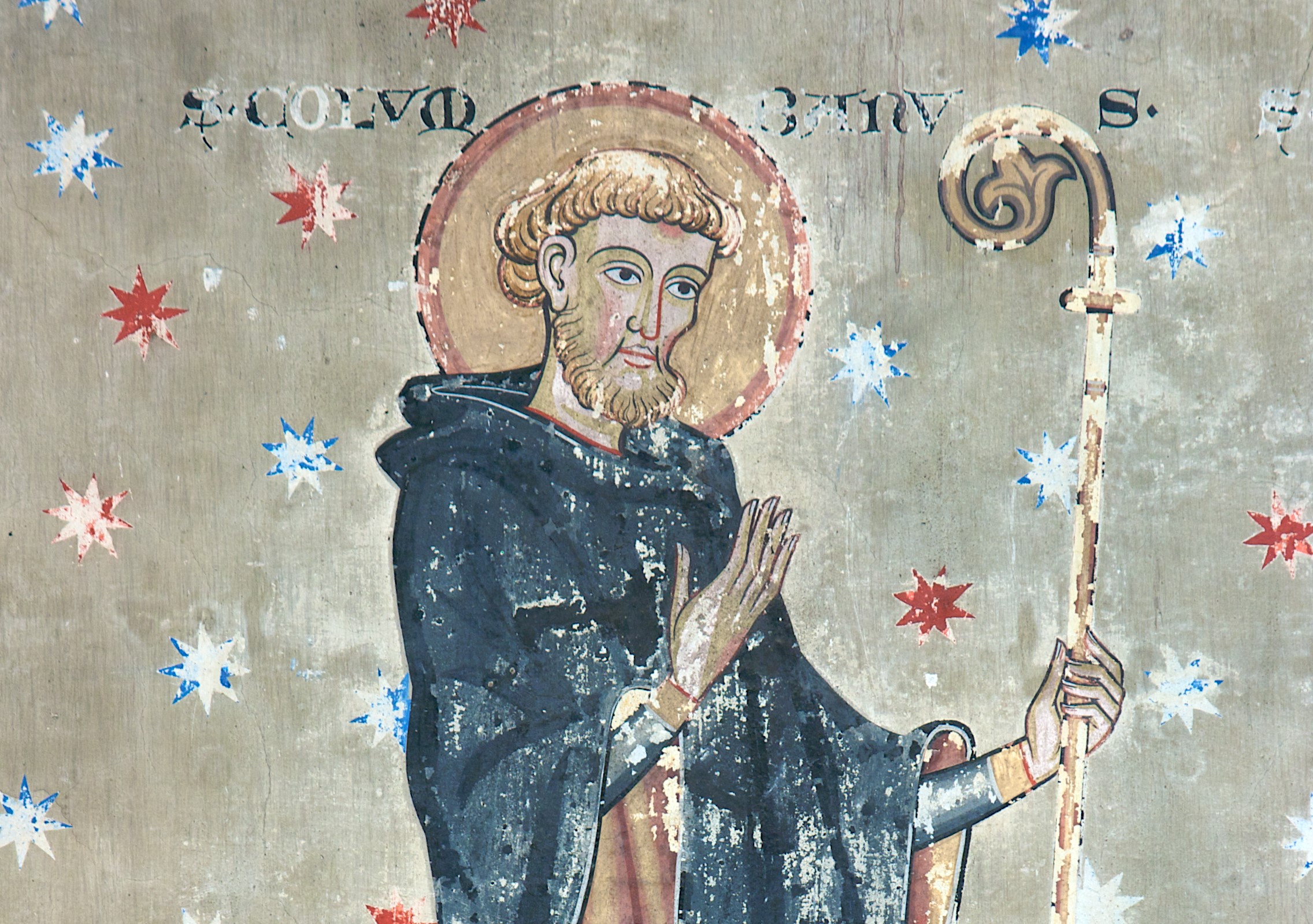
St Columbanus, neo-gothic mural in the church of St Pierre-le-Jeune, Strasbourg

The historical connections between Ireland and Switzerland run deep. Both countries share a Celtic past, and Switzerland (Confoederatio Helvetica) is even named after a Celtic tribe – the Helvetii – that once called these lands home.

The most legendary phase of Swiss-Irish connection was in medieval times when Irish monks travelled across the Continent after the fall of the Roman Empire, bringing learning to the peoples of Europe.

This era of saints and scholars is the subject of a pop-up exhibition taking place in Centre le Phénix, Fribourg this Friday, March 15th, from 2pm to 6pm. The exhibition is organised by the Irish Festival Fribourg/Freiburg as part of Ireland Week celebrations in Switzerland in the lead-up to St. Patrick’s Day.

Trailblazers

“Ireland and the Birth of Europe” exhibition tells the story of the long-lasting Irish presence in Europe, from Columbanus and his followers in the 6th and 7th centuries, up to the Irish-founded monasteries called Schottenklöster, a movement that peaked in the 13th century.

Around the year 590, Columbanus left the Irish monastery of Bangor for the Continent, where he established a succession of monasteries: Annegray, Fontaine, and Luxeuil in the Vosges mountains, and Bobbio near Genoa. Over the centuries, the monks were followed by scholars, theologians, philosophers, and poets.

Around 600 CE, Columbanus wrote ‘of all of Europe’ (totius Europae), becoming the first to use the expression in reference to the Continent’s cultural identity.

One of the original Bangor group, St. Gall, reached the region of today’s city of St. Gallen around 612 CE, and established a small settlement there in the wilderness, which was later the site of the famous Abbey of St. Gall. The Abbey Library, to this day, holds some of the most important sources of Old Irish in existence.

The Priscian manuscript

The following is an extract from my book, The Naked Irish: Portrait of a Nation Beyond the Clichés:

Is acher ingáith innocht fufuasna faireggae findḟolt ni ágor réimm mora minn dondláechraid lainn ua lothlind

‘Bitter is the wind tonight, it tosses the ocean’s white hair

I fear not the coursing of a clear sea by the fierce warriors from Lothlend’

These words in Old Irish run along the top of a page of a manuscript of Latin grammar dating from the ninth century, the Priscian manuscript of St. Gallen. Lothlind, land of the lakes, is an early form of the Irish word for Scandinavia, more specifically Norway. The fierce heroes kept at bay by the weather are Viking raiders.

The unknown scribe who wrote these lines lived in dangerous times. We don’t know exactly what scriptorium he worked in, but two possible locations are the monasteries of Bangor or Nendrum, in Co. Down, both of which suffered heavily under Viking attacks in the ninth and tenth centuries. The monks would have breathed easier on stormy days.  

I love the idea of the obedient monk faithfully transcribing page after page of intricate text for months or years, working for the community, for learning, for God. And then, one dreary day, he feels the urge to write something heartfelt and original. He throws caution to the wind and allows himself a brief moment of creative expression. That brief moment of inspiration survives more than a millennium.”

Traces of the past

“Ireland and the Birth of Europe” was researched, written and curated by Dr Damian Bracken, University College Cork, and Dr Angela Byrne for the Irish Department of Foreign Affairs. The exhibition is hosted by the Irish Festival Fribourg/Freiburg with the support of the Embassy of Ireland. 

The source of the translation above is http://www.stgallpriscian.ie/index.php?id=7056&an=1 with input from Kuno Meyer’s translation. I was amazed I could recognise some Old Irish words – like ‘tonight’, ‘sea’, ‘wind’, ‘warrior/hero’ – that are very similar in Modern Irish. Needless to say, a visit to Abbey of St. Gall is well worth the trek.

If you are on the trail of Switzerland’s Celtic past, the impressive Laténium museum and park on the Lake Neuchâtel is a good place to start. It has a wonderful collection of La Tène metalwork, pottery and jewellery, as well as objects from settlements as far back as the Palaeolithic Era.

The most amazing artefacts, I think, are words. I grew up in a place called Dún Laoghaire in Ireland. We have a lot of dun- placenames in Ireland, from the Irish word for ‘fortified place’.

But I didn’t realise that the -don placenames in Switzerland – like Yverdon – come from the same older, common Celtic word. The list goes on: Rhone, Brig, Winterthur, Solothurn are just a few of the many Swiss placenames derived from the original Celtic names.

If you can make it to Fribourg on Friday, the festival team will be glad to welcome you at Centre Le Phénix, and we’ll send you home with some Irish sweets. Enjoy your St. Patrick’s Day celebrations wherever you are. Beannachtaí na Féile Pádraig oraibh go léir!

(Photo above by Nick Thompson used under Creative Commons BY-NC-SA 2.0, from https://www.flickr.com/photos/pelegrino/3740029289/ )

A radio interview and a publishing dilemma

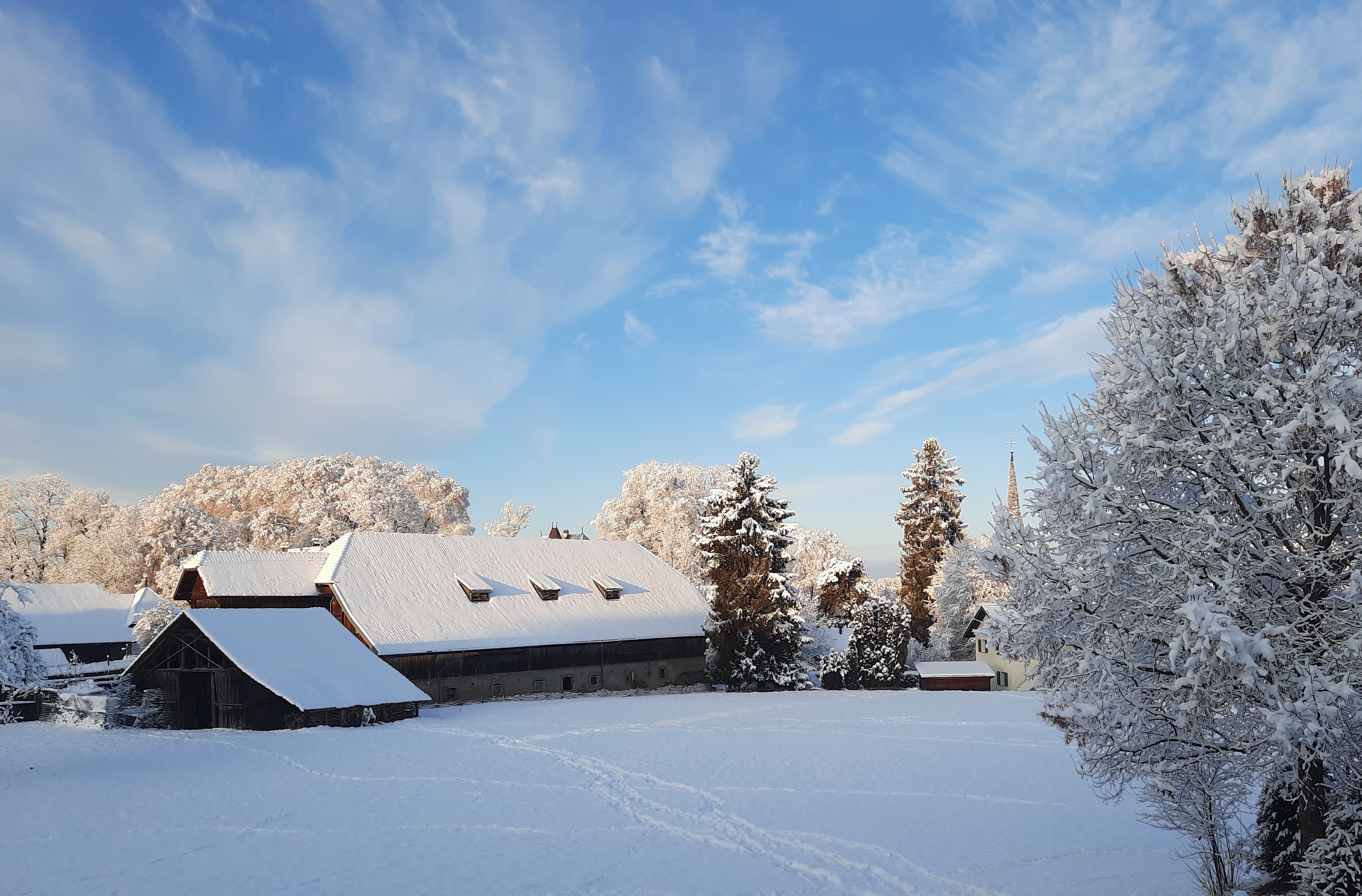
The Swiss version, featuring a house from Mary Shelley’s time, if not before.

Today my family WhatsApp groups are full of photos of the snow in Ireland. If there’s one thing that makes Irish people happy, it’s snow. Another thing Irish people love is talking. Which is why we have so much talk radio to choose from.

I recently did an interview with Dublin South FM which I’m pleased to share with you. Rhyme and Reason is the name of the show and it features a different writer each week talking about their life and work. I got to choose three pieces of music and a Swiss poem. Many thanks to the presenter Helen Dwyer for the invitation!

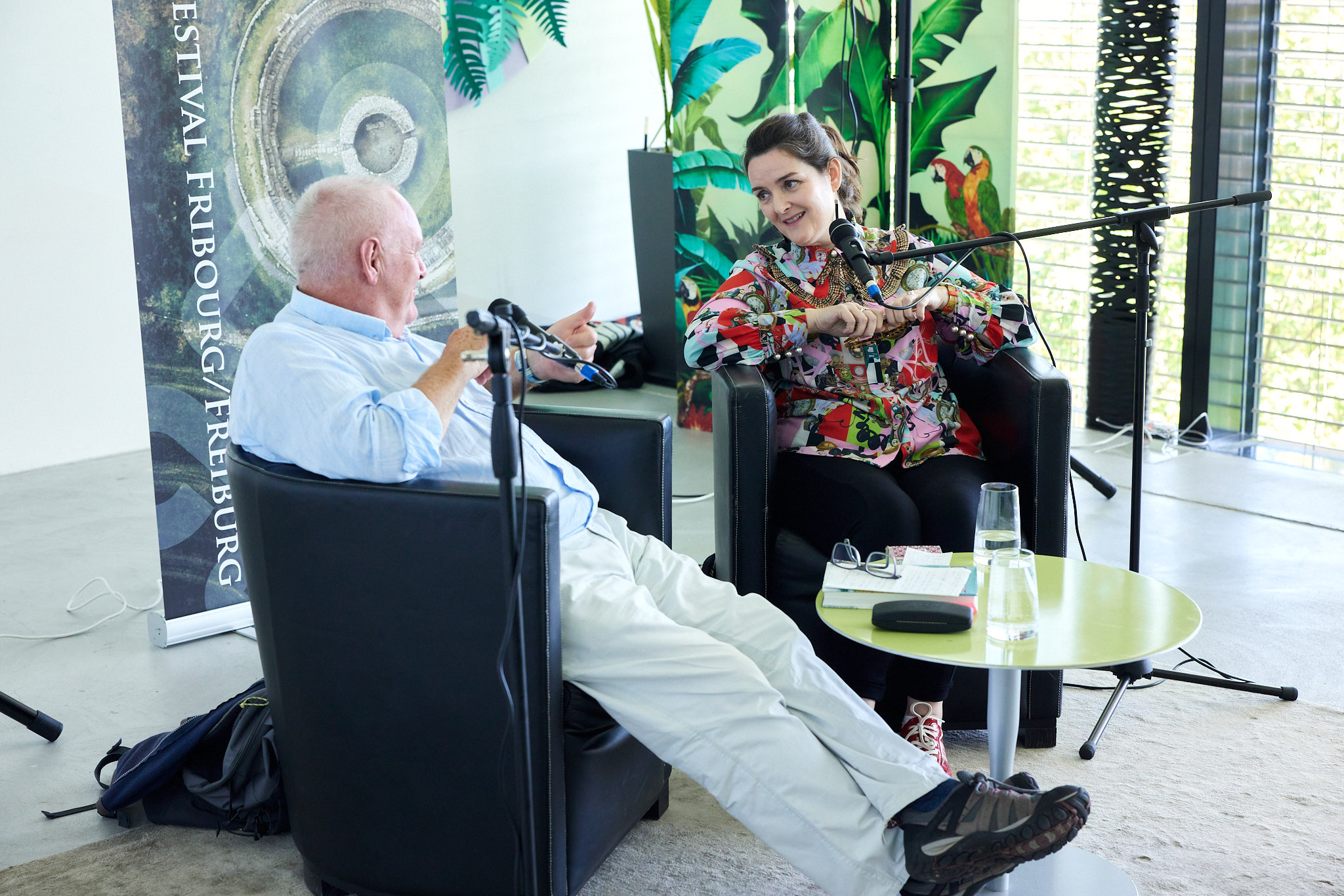
Last month, I also got to meet and interview the talented Dutch writer Anne Eekhout (rhymes with stakeout, I discovered) at the Société de Lecture in Geneva. Anne’s fourth novel, Mary and the Birth of Frankenstein, has been translated into English.

Every time I read or meet an author writing in a language other than English, I am reminded of how rare and difficult it is for them to have their books translated into English. The translation traffic is overwhelmingly one-way, and it’s a real shame.

A life of extremes

Anne’s new book is a fictional reimagining of the life of Mary Shelley, set between Dundee in 1812 and Geneva in 1816. Mary Wollstonecraft Godwin Shelley had an extraordinary biography, starting with her parentage and the radical opinions she was exposed to at home.

After running away from home with Percy Shelley at 16, Mary’s youth was marked by intense self-education, intense romantic feelings, intense grief, adventurous travel and hard work. You can only marvel at her resilience and productivity.  

I have to agree with Mary Shelley’s biographer Miranda Seymour, who reviewed the novel for the Financial Times, that Anne Eekhout did an amazing job inhabiting Mary’s spirit and bringing us into her world.

To be or not to be?

As for that dilemma I mentioned, it’s an age-old question: What to do if you can’t find a place for your book in the market. Should you conclude it was never meant to be, and move on the next project? I’ve done that before, more than once, and it hurts! But if I hadn’t moved on and written something new, I would never have been published.

Then again, sometimes it’s wrong to abandon your work to gather cobwebs. If you did a good job, what a waste! At the Geneva Writers’ Group conference last November, I attended a workshop with April Eberhardt who is a US-based author advocate (great job title).

April has observed that traditional publishing is moving too slowly and new models are filling the void. She sees this as a good thing because it’s giving authors more control and more choice.

According to April, authors should of course try their dream publishing option first. But if that fails, you need a Plan B. I have written a children’s novel that I would now describe as ‘Prophet Song’ for kids. It’s about a brother and sister on the run in a country controlled by a sinister, all-powerful company. I haven’t been able to find a publisher for this story, even though it’s timely with the current drift away from democracy in so many countries. And it’s a great adventure story.

So, what better focus group to ask. What do you think I should do? Should I self-publish this book even though it’s in a new genre for me and would involve a fair amount of effort and some expense? Or should I wait for publishing prince charming to come and rescue me?

Any advice appreciated!

Miscellany of book news for the new year

We’re running out of January days which is not necessarily a bad thing. But what I do like about January is that it holds the promise of a new start – a new year where we all get a second chance, or a 52nd chance in my case.

Until a few weeks ago, I had virtually no plans for 2024. Now, I’m glad to say, I have a few literary dates in the diary, and pop-up event in March connected to the Irish Festival Fribourg/Freiburg.

On February 14th, I’ll be interviewing Anne Eekhout about her book Mary and the Birth of Frankenstein. The event is taking place in the Société de Lecture in Geneva, and it should be popular with the locals, seeing as Mary Shelley started writing her iconic novel in that part of the world at the tender age of eighteen.

Interviews and history

When I was asked to do the Eekhout interview, I bought Miranda Seymour’s biography of Mary Shelley. I’ve been blown away by how daring and talented this 19th century woman was. Running away with a married poet at sixteen precipitated a life very much out of the ordinary but also plagued with loss. I’m still waiting for the Eekhout translation (from Dutch) to arrive. Tickets and more info on the event available here.

Also at the Société de Lecture, I will be interviewing Deborah Levy on May 29th. I’m a huge fan of Levy’s writing, especially her memoir trilogy. Really looking forward to both these conversations.  

My third literary interview of the first half of this year is with Bern-based Kim Hays whose third book, A Fondness for Truth is coming out in April. Kim is having her Swiss launch on June 13th in the Progr venue in Bern. Her Polizei Bern crime novels are cracking good reads, showing the murky side of Swiss life.

Then there is the event connected to the Irish Festival Fribourg/Freiburg. We haven’t got an exact date yet but it will be in the week of March 11th to 17th – Ireland Week. All being well, we’ll have a pop-up historical exhibition in Fribourg about Ireland’s early ties to the European Continent. Think saints and scholars. Details to follow soon.

Writing talk

As for my own writing, I’m still working on my second novel and hope to submit it soon. It’s a story about human connection, where we rejoin two of the characters from Voting Day whose paths cross again in the present day.

I’m also very pleased to have a memoir essay published in the Sunday Miscellany Anthology, edited by Sarah Binchy, which won Irish Book of the Year at the Irish Books Awards in November. It’s nice to have a tiny share of the glory (100+ contributors), even if it’s from a distance. My essay Northern Sky is about the time I went to Russia as a student in the early 1990s and met some Irish language enthusiasts there. You can listen to me reading the piece on radio here.

Speaking of radio, I will be interviewed on Dublin South FM on February 23rd. You can listen live to the programme Rhyme and Reason with Helen Dwyer or listen to the podcast after the show has aired. It’s a chat about books, life and Switzerland with some poetry and music.

Apart from the culture and books, I am carrying on with my regular freelance work and weighing up other options. One thing I’m looking at is possibly to train as a secular funeral celebrant in Switzerland. There’s a long story behind that, which I’ll tell another time.

Very best wishes for 2024! If you’ve any exciting plans or good news, do let me know in the comments.

The year in musuems

My idea of a perfect day out involves a visit to a museum. With ten museums in four countries visited in 2023, it’s been a pretty good year. When I remember a visit to a museum, I remember the person or people I spent that precious time with. I can recapture the mood of the day and the inspirational effect of the art or history.

Let’s start with tables. On a visit to Ireland in October, I visited three museums. One was Derrynane House on the beautiful Iveragh Peninsula in Co. Kerry. This is the house Daniel O’Connell inherited from his uncle, the place where he felt most at home throughout his life.

In this dining room, the Liberator would have spent many entertaining evenings with friends and family. Also in the house is O’Connell’s death bed, which was transported back from Genoa. By the way, there is a brilliant novel by Seamus Martin about O’Connell’s ill-fated final pilgrimage called Duggan’s Destiny.

The next table is from 14 Henrietta Street house, the once grand eighteenth century residence that ended up housing more than 100 people living in tenements. This table is from the flat of the last resident of the house who left in the 1970s.  

Another table that caught my eye was in the Kunstmuseum Basel. This 1916 painting by Marc Chagall is called Strawberries or Bella and Ida at the Table. I like Chagall but I didn’t know he painted peaceful family scenes.

Two cats

Also in Basel, I saw some of Giacometti’s works, including one of his rare animal sculptures, The Cat (1951). I once worked in a building on Giacomettistrasse in Bern, which is where I first heard the name, to be honest.

The other cat is the lynx which was successfully reintroduced into the wild in Switzerland about 50 years ago. This lynx is in Lugano Museo cantonale di storia naturale. We spent a couple of happy hours in there as a large family group on a rainy afternoon in July. Serious paws!

More paintings

I’m one of those annoying people who takes photos in museums but I really do like to look back on them and remember the artists and paintings. The photo at the top of the page was taken in the Rjiksmusuem in September. It was my first visit to Amsterdam and I fell in love with the city. The famous painting everyone wants to see in the photo is The Milkmaid by Vermeer. You could get an excellent view of most other paintings.

I can’t resist including another Basel painting here. Portrait of Bonifacius Amerbach by Hans Holbein was painted in 1519. More than 500 years old and the face looks like it could be someone you might know. Incredible.

And here is another lovely face from the Strasbourg Museum of Fine Arts, Virgin in Prayer (ca. 1640) by Gian Battista Sassoferrato. I travelled to Strasbourg in France by train in February to meet two old friends, who came from Germany and Belgium. Such a treat.

Sassoferatto was a new name to me and I was interested to learn that he specialised in depictions of the Virgin in Prayer, which were apparently all the rage in the 1600s.

Handwritten

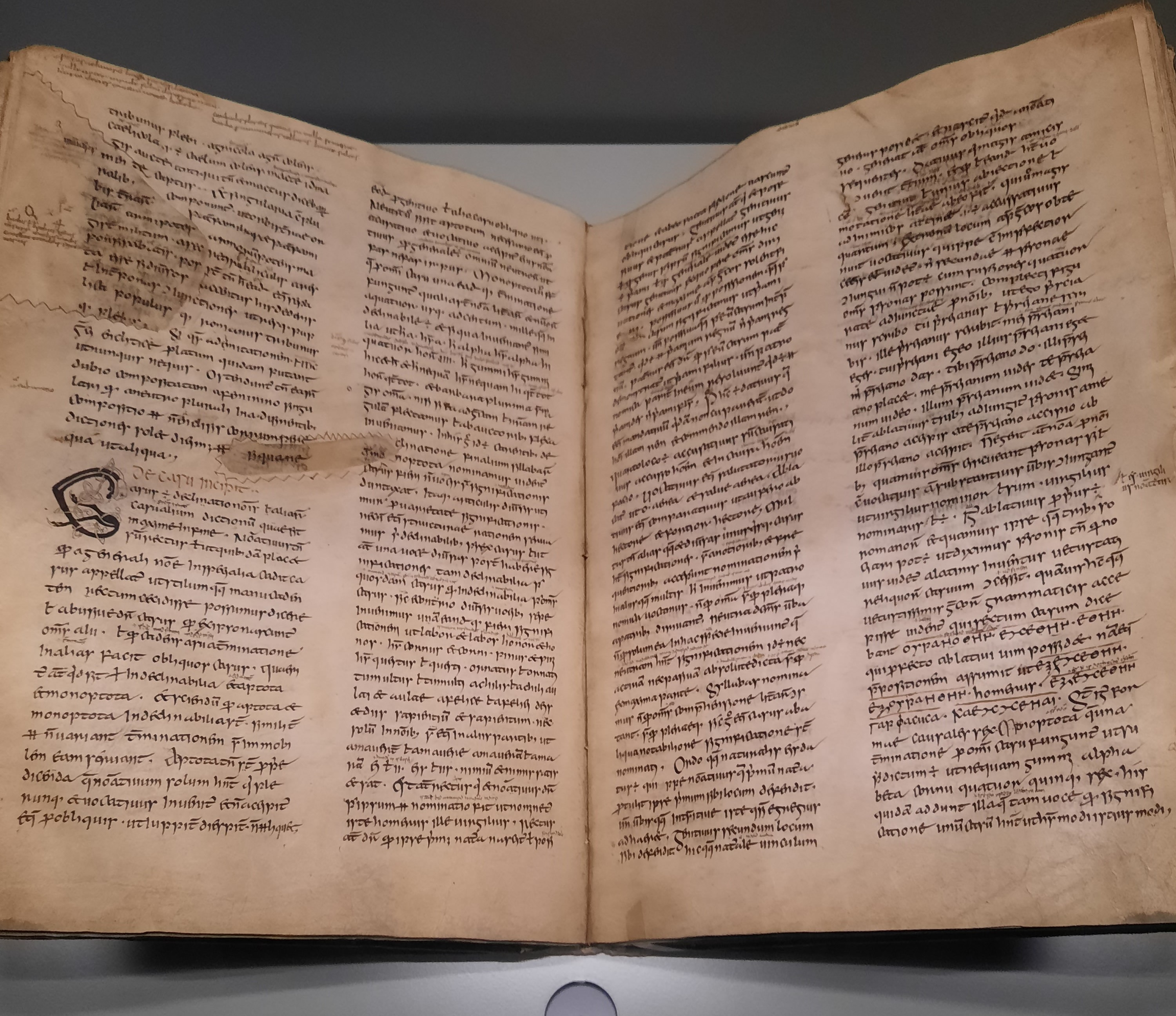
The last two items are the least picturesque but they are fascinating. Only yesterday, I visited the historic Abbey Library in St. Gallen, which has a very important collection of Irish manuscripts dating from the seventh to ninth centuries.

In my book The Naked Irish, I quote some verse inscribed in the margins of the Priscian Manuscript (ca. 850) – to show the ancient roots of Irish writing. But this was actually my first time seeing the manuscript. This version of Priscian’s Latin Grammar was transcribed possibly in Co. Down, with lots of glosses (explanations), a third of which were in Old Irish. That makes it one of the key sources for the study of the language.

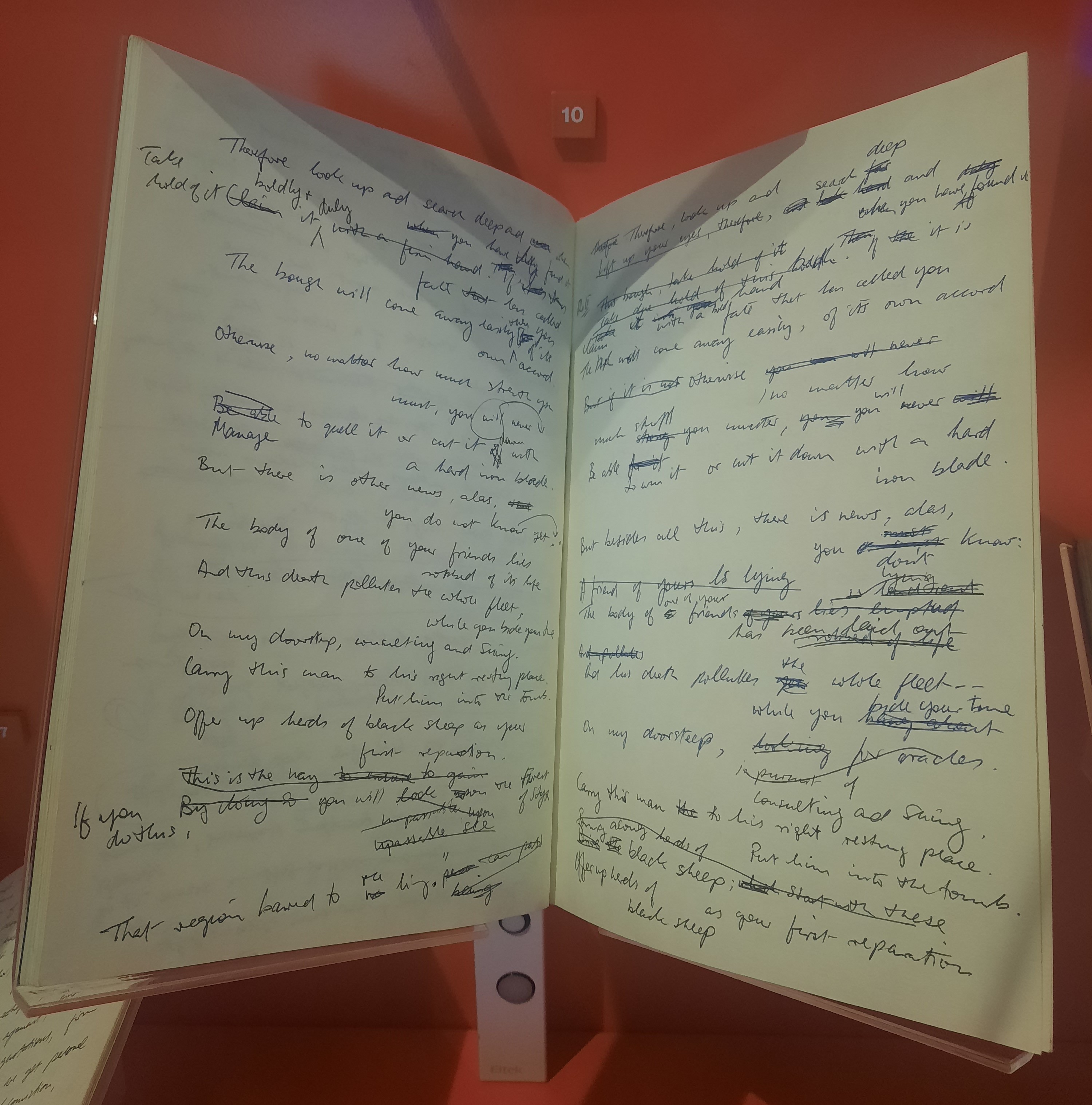
And the last exhibit is from Listen Now Again, a lovely little exhibition of Seamus Heaney’s life and work, running in the Bank of Ireland Culture and Heritage Centre on Westmoreland Street until the end of 2025. I opened my first bank account in this building as a student. It was originally home to the Parliament of Ireland before the Act of Union, the world’s first purpose-built bicameral parliament house. The building has been in the hands of the bank since 1803. But to get back to Seamus Heaney, this sample of the poet’s creative process is pretty amazing, don’t you think? Even Nobel Prize winners have to edit.

Observant readers will note that I’ve only mentioned eight museums so far. I also visited the Museum of Amsterdam, which covers the social and commercial history of the city. But my pics are hopeless. The same goes for Kilmainham Goal in Dublin, quite the gloomy tour, especially in the lashing rain, but very interesting.

What museums did you visit this year? Any recommendations for me? On my list for next year is the house on Lake Geneva designed by Le Corbusier, Villa “Le Lac”. It opens again in March and I’d love to go there on a warm day. We are knee deep in snow at the moment in Fribourg. So first, let’s enjoy the winter!

Festival time: when Ireland came to Fribourg

At the welcome desk in Equilibre (photo credit: Patrice Bechtiger Photography)

Exactly this time last week, the Irish festival in Fribourg was in full swing. I was in La Spirale Jazz Club enjoying an exhilarating performance by The Dixie Micks. At the end of the sold-out concert, I ended up on stage with fellow organisers Julie and Deirdre for a rendition of Whiskey in the Jar. I can’t remember the last time I was part of such a joyful gathering.

The day had started at the university building with a writing workshop, followed by two public lectures and an interview with John Boyne. Later, there were two more author events in Equilibre Theatre, and two films (A Date for Mad Mary and Redemption of a Rogue) before The Dixie Micks concert.

Before that, bright and early, I was standing at a bus stop with a sandwich board and a bunch of large cut-out arrows in bright orange card. Things got so busy on Sunday afternoon that I needed my bicycle to travel quickly between the The Celtic Cello concert set-up, the Welcome Desk at Equilibre Theatre and the Cinema Rex to announce the Irish-language film The Quiet Girl.

From the launch party on Friday afternoon to finally packing away the welcome desk on Sunday evening, I had seen friends, guests, volunteers and visitors happily take over the streets of Fribourg, secure in their welcome. In the 20 years I’ve lived here, it’s never felt more like home.

The Irish Festival Fribourg/Freiburg (IFF) has gradually taken over my life in the past year. Before the festival fades into a blur of indistinct moments in my memory, I want to get some highlights down in colour. I want to remember how amazing it was.

I hope you enjoy these photos, some taken by friends, some by our official photographers Rromir Imami and Patrice Bechtiger.

John Boyne signing books after his interview with Helen Stubbs Pugin (Photo credit: Rromir Imami)
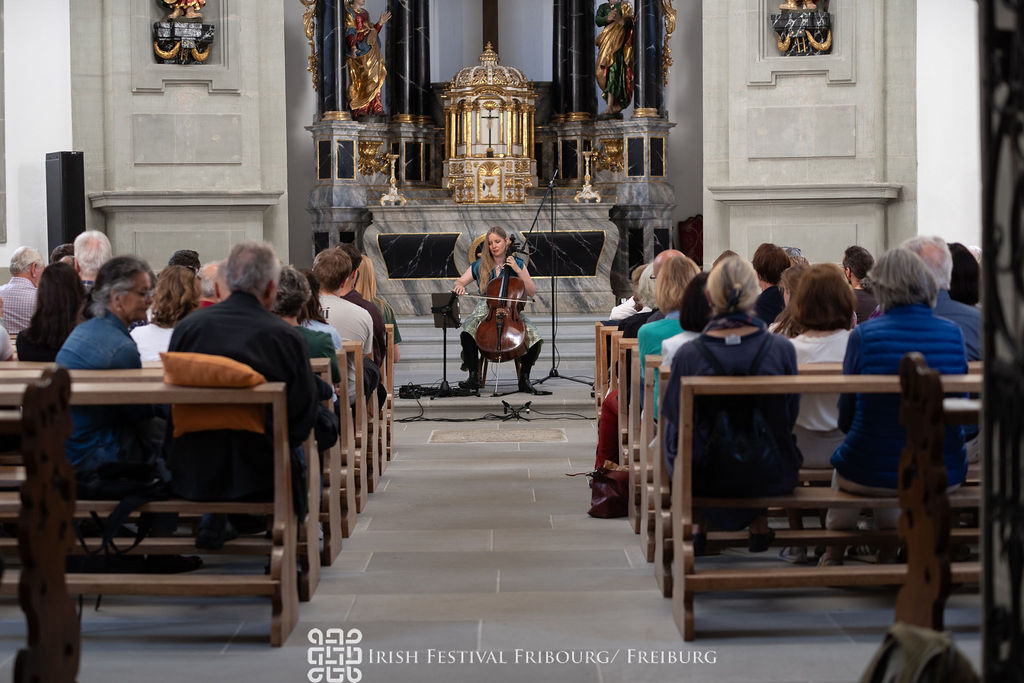
The Celtic Cello performance in l’Hôpital des Bourgeois (Photo credit: Rromir Imami)
With Deirdre Coghlan (L), Julie Hunt (R) and The Dixie Micks (Photo credit: @seaagency1)
Padraig Rooney and Nuala O’Connor (Photo credit: Patrice Bechtiger Photography)

Captive audience at the lecture by Shane Walshe of the Swiss Centre of Irish Studies (Photo credit: Rromi Imami)
The writing workshop with Sarah Moore Fitzgerald (Photo credit: Rromir Imami)
Véronique Platschka of Tourism Ireland and Shane Walshe at the Welcome Desk (Photo credit: Patrice Bechtiger Photgraphy)

A week on, today, the festival team – temporarily scattered by illness and other work commitments – got together to review the weekend. The verdict: we couldn’t have asked for a better first edition of the festival, we expect to come back in 2025 (tbc) and we need time to tend to the neglected parts of our lives – in my case writing.

A thousand thanks to all who came to Fribourg for the festival, to the volunteers, our local partners, the guests of honour, the visitors and those who made the inaugural IFF possible through financial and practical support:

Loterie Romande, Tourism Ireland, l’Agglomération de Fribourg, l’Etat de Fribourg, Culture Ireland, Government of Ireland Emigrant Support Programme, Colm and Ella Kelleher, the Irish Embassy Berne, Max Geilinger Stiftung, IFI International, McGonigle Watches and the Swiss Centre of Irish Studies. 

Thoughts on twenty years in Switzerland

This day twenty years ago, I boarded a flight for Switzerland. Apart from my suitcase, all I had with me was my bicycle and a fold-up occasional table my grandmother had once given me. I had carried it from flatshare to flatshare and now I was carrying it with me to a new life in a new country.

Travelling light was what I did back then – in work, in love and in material things. A year earlier I had left a permanent job in The Irish Times, and my last short-term job in Dublin was producing a play for a small theatre company.

But I was ready for a steadier life, and that is what Switzerland had in store for me. My Swiss boyfriend became my husband. In our apartment in Fribourg, I finally cooked in my own kitchen with my own pots and pans. I got a job with the Swiss Broadcasting Corporation. Eventually we had three daughters and built a house together.

I look back over those years and cannot believe how much my life has changed, and how fortunate I have been. Workwise, I reclaimed my freedom after ten years in the same job. I started writing books. This autumn, I’m organising a festival of Irish culture in Fribourg, enjoyable work that reminds me of the theatre job two decades ago.

Even though I’m as integrated as a piece of bread dipped in fondue and I speak the local languages, I haven’t always found it easy to accept my destiny as an emigrant. I didn’t realise how much I would be leaving behind, and for how long.

Acceptance. I got there eventually. I believe I will live in Ireland again – one day. But it doesn’t matter that it’s not now. Right now, this Swiss life is full in the best possible way. Yesterday evening, I went for a beautiful sunset walk with my mother (my most faithful Irish visitor) and daughters. It made me glad, yet again, that I found this place and made it my home.

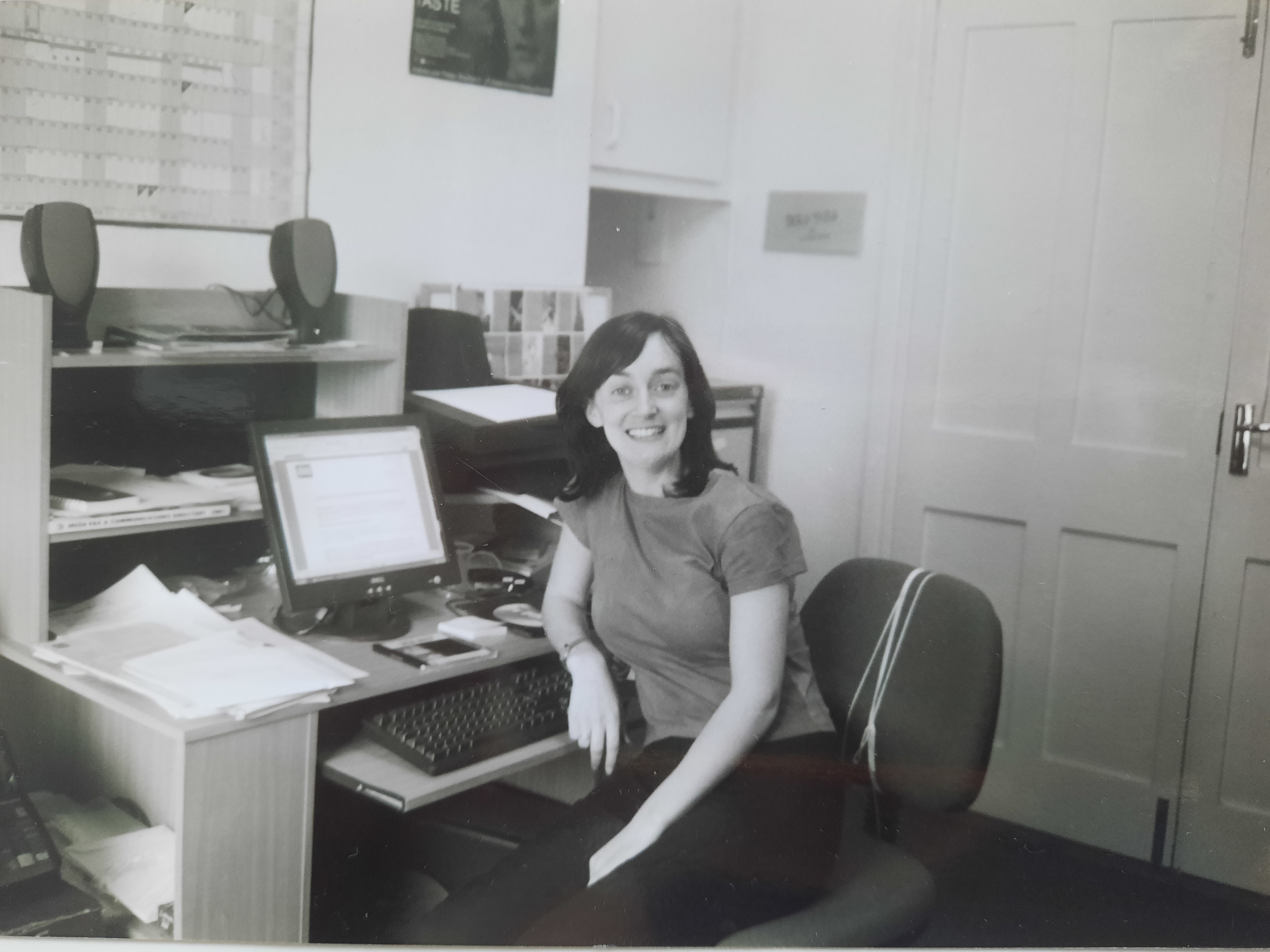
Above is a photo of me from 2003 in the Gúna Nua Theatre Company office in Dame Street. It was taken a few weeks before I left Dublin for good. If I told her the whole story now, I think she would be more than ready to fold up the table once again.  

Why ageing is a good thing for women

Peig Sayers (1873 – 1958), author, storyteller and iconic figure in Ireland.

Looking older seems to be one of the hardest things for women to accept. Entire industries profit from (and actively encourage) female insecurity, and the work of chaining women to their looks starts young, as early as babyhood. In our beauty-obsessed society, it’s hard to find the key to unlock those chains.

At a social gathering last week, I was part of a discussion about Botox, fillers and plastic surgery. This was a first for me and I sat back and listened at the beginning because there was a lot of new information.

One of the group is a beauty blogger and had just tried Botox for research purposes.  Her message was that creams and supplements will do nothing to stop the hand of time. If you want to tackle wrinkles and sagging skin, you have to go for one of the medical interventions. Several of those present, women in their fifties, were considering doing exactly that.

I think people should feel free to do whatever they want to look better. Whether it’s going to the gym, eating in a healthier way or getting medical procedures done. But if the motivation is fear of ageing or losing attractiveness, I wonder if it’s really worthwhile. Ageing is good, it’s necessary and it should be liberating.

At least that’s how I choose to embrace ageing. I’m 51 years old and I welcome the season of caring less about my appearance. I think trying to look a decade younger at every age is a stressful and futile quest. I want to look well, not young. And how I look will depend on my level of contentment with life, and on my health.

When women post photos of themselves on social media, their friends rush to tell them how beautiful they look. We can’t all be beautiful and certainly not indefinitely. You can look lovely without looking beautiful, and you can look beautiful without looking lovely.

I don’t particularly remember being told I was pretty or beautiful as a girl. This message didn’t really feature, and as a result my looks were not central to my sense of worth, though, like any teenager, I did spend plenty of time looking in the mirror trying to summon beauty. I wasn’t an ugly duckling but I was no cygnet. Qualities in my character or the work I did was praised. Being funny, helping out at home, writing a poem, doing well in school – these were the things that were noticed. The love and approval I received from my parents was what made me secure, not any external measure of my attractiveness.  

In the years when I was working behind the bar as a student, I got compliments and insults about my appearance from punters, and I didn’t take either very much to heart. I would like my daughters to be grounded in the same way.

So what’s good about ageing? Many things, not just your chance to be free of artificial beauty standards. It’s your time to enjoy the good things in life – food, art, friendships, the beauty of others, maybe romance, maybe even grandchildren (in no particular order). It’s about benefiting from the long view, being able to make sense of things, truly appreciating the people in your life, now that you’ve starting to lose them, and helping others who still have a lot to learn. The second half of life, post fertility for women, can also be the time when you finally have the time and confidence to express your own creativity and talents.

Behind the fear of ageing lurks the deepest fear of all, fear of death. We are all meant to die and we don’t know when. But if we get to age first, it’s a blessing, so we should really separate the two fears. An old friend and contemporary of mine died recently. I shared part of my youth with him and the affection I felt for him all those years ago returned intact as I watched his funeral online last week.

So I will continue my ageing process and treat it as a gift from the universe. I don’t know how I’ll feel when old age really hits, but middle age has been good so far, despite the unmistakable traces of time on my face.

But what’s a few wrinkles between friends? There are so many important things to focus on over the next few decades: helping the younger generation to grow up safely, fulfilling my own potential, saying goodbye to the older generation, hoping we can reverse manmade damage to the planet before it’s too late.

What is your own experience of ageing? How do you think your upbringing or life path has influenced how you feel about your looks? I hope you find some encouragement from these ideas, and maybe even find the key to unlock those chains.  

Behind the scenes: the slow business of show business

The first quarter of the year is over and the Irish Festival Fribourg/Freiburg is taking shape. A lot has been accomplished since I last wrote about the festival in October. Even though there is plenty more to do, and it feels as if new tasks are added to the list daily, we are also seeing the first results of the winter’s work.

I’ve attended my fair share of cultural events over the years but only once before actually worked on the organisational side. That was in 2003, the last job I had before I left Ireland for good, when I worked as a producer for Gúna Nua theatre company. I’d forgotten how enjoyable and satisfying it is to make things happen! But, my God, where did that 20 years go?

The most important breakthrough this year was that the Agglomération de Fribourg, the equivalent of the city council, decided to back the festival. Without their support, other potential funders would automatically have said no.

We got the news on March 9th after sending in our 25-page application at the end of November with 13 supporting documents. More supporting documents were requested in January, including a contract with one of the venues. The project was discussed at three meetings before we finally got the good news. A champagne moment. 

Group effort

Having the support of the Irish Embassy, Tourism Ireland, Fribourg Tourism and the Irish Film Institute International helped make our case much stronger. There are still some funding decisions to come in and possibly more applications to send out. In the meantime, we are getting everything else lined up – the programme, the venues, the website, publicity, ticketing, volunteers, insurance, travel … the list goes on.

Now it’s as sure as sure can be: Ireland is coming to Fribourg for the weekend of 6-8 October. Save the date! We’ll be announcing the programme in June, which is suddenly around the corner. Just a note that I’m not using the royal we. I’m joined in the whole enterprise by two brilliant Fribourg women – Julie Hunt and Deirdre Coghlan. Follow the festival Facebook page to hear more about our progress.

Book anniversary

In other news, it’s a year since Voting Day was published by Fairlight Books, and two years since the Swiss edition came out. I’m visiting two Swiss schools in the next few weeks to talk to students who’ve studied the novel and I’ve been invited to a university in Poznań in Poland later this month for the same reason. I’m delighted the story is still making waves, and I love meeting readers of all ages.

On my own reading pile, I’ve been working my way through the excellent Wyndham-Banerjee series of crime novels, set in Calcutta in the 1920s. I was lucky enough to interview the author Abir Mukherjee at the Société de Lecture in Geneva last week. We were in the beautiful yellow room you see above. I don’t have photos of the event yet.

More reading tips

My standout read of the year so far is Haven by Emma Donoghue, an extraordinary, captivating story set in seventh-century Ireland, featuring three monks on a quest to found a monastery in the most inhospitable place possible – Skellig Michael off the coast of Kerry. It was amazing to be transported back that far in history. Donoghue must be one of the most accomplished writers of historical fiction working today. I can also highly recommend the film adaptation of her 2016 novel, The Wonder.

And there’s a treat in store for fans of Swiss crime fiction with the publication of the second title in the Polizei Bern series by Kim Hays this month. Sons and Brothers centres on the suspicious death of an eminent (but not very likeable) heart surgeon whose body is pulled from the Aare in Bern on a winter’s night. The investigation leads detectives Giuliana Linder and Renzo Donatelli back to the doctor’s childhood home in the Emmenthal region.

Time for me to wrap up and wish the readers of this blog a pleasant Easter break. This is birthday season in our home with three birthdays coming up next week, so my to-do list is taken over by presents, cakes and parties for the next while. A very welcome change.