So, have you finished the novel yet?

This question kills me, even though I know it’s the obvious one to ask. The short answer is no. More than once I thought I had finished but it turned out I had only reached milestones along the way. The first draft took almost twelve months to the day. I have now been writing my first novel for two years, five months and forever.

My heart sank today when I heard it took veteran BBC journalist Kirsty Wark ten years to write her novel The Legacy of Elizabeth Pringle. Ten years! She gave a talk at the Dalkey Book Festival in Dublin yesterday and I sent my spies along to find out what she had to say.

I’m curious to read her book, despite reading this bad review a few weeks ago, which was breathtakingly spiteful. The Irish Times reviewer actually said: ‘don’t give up the day job’.

http://www.irishtimes.com/culture/books/a-nice-fantasy-but-don-t-give-up-the-day-job-1.1777733

Wark started ten years ago but had to put the book to one side because of family commitments until her youngest started university. My youngest hasn’t started school yet. How long before I can find time?

Maeve Binchy addressed this issue in the first page of her book on writing, The Writers’ Club.

“Time doesn’t appear from nowhere. You have to make it, and that means giving up something else. Regularly. Like sleep, for example, or drinking or playing poker, or watching television, or window-shopping or just lounging about with your family.”

As it is I do regularly give things up for writing. But what if I’ve been giving up the wrong things?

The time has come to question where the writing blog fits in here. Would Maeve Binchy ever have finished Light a Penny Candle if she’d been blogging about it? I’ve published more than 70 posts over eighteen months, an average of 500 words per post. That’s a lot of words, half a novel in fact.

Without further ado, I hereby declare this blog temporarily suspended – normal service to be resumed when my novel is finished. I hope to connect again with fellow bloggers and followers of the site when the time is right.

Have a great summer folks!

ps. here is a link to Ashra’ Wish, a story I wrote for children which has just been published on a new children’s stories website.

http://www.shortkidstories.com/story/ashras-wish/

I'll be back.
I’ll be back.

The oldest profession in the world

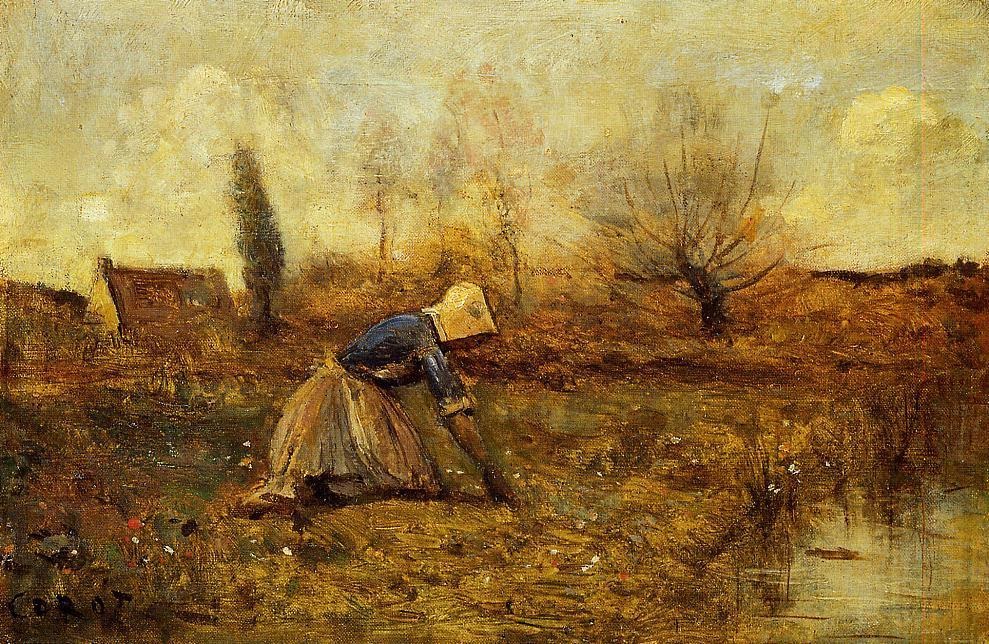
Farmer-Kneeling-Picking-Dandelions

Just sharing my most hated cliché, narrowing as it does women’s myriad innovative roles over the millennia in hundreds of civilisations to the least interesting and freely-chosen job on the list. To prove my point, I’ve written a little scene set in the city-state of Zabala in the Sumer Civilisation in 3,500 BC. Call it anti-cliché fiction.

“I like the dress,” Namini said, reaching to feel a corner of the red and gold cloth, before embracing her friend with the Sumer evening greeting of three kisses.

“Thanks, I got it from a neighbour. She sells her own stuff and it’s not expensive,” Sulah answered, sitting down on a mat by the window.

“Not Fatiza?” Namini called from behind the bar where she was loading her tray with fresh drinks.

“Yes, that’s her name. Her mother and sister are weavers too.”

“I know the family. Lovely people. What can I get you?”

“Just a tea thanks, I’m exhausted. I’ve been transcribing a massive contract all day. Look at the blisters on my hands.”

Namini came over with the tea and inspected Sulah’s hands gently.

“They are working you too hard there. I don’t know how you put up with it.”

Sulah shrugged. “They pay well and I can live at home. It’s hard to find a job like that. You know my cousin Lamila, plays the lyre? She has to stay at the temple seven days a week. The ceremonies are endless, she says.”

“I know. Who’d be a musician? The only job to have in a temple is priestess. People waiting on you day and night, listening to your every word, I wouldn’t mind that.”

A group of customers came in and Namini’s smile brightened artificially as she sailed over to them. While she was getting their drinks, more people began to arrive, in pairs. The busy part of the day was beginning for Namini, just as Sulah could go home and relax.

Sulah saw a young girl with elaborately-braided hair come in and sit alone, her dress draped low over one shoulder. When Sulah looked again the girl had pulled her dress up over the knee to reveal strong brown thighs, the legs of a country girl. A man from the first group crossed the small room to join her, placing a coin in front of the girl before he sat down.

Trying not to stare, Sulah gathered up her things to leave. She slipped into the back room where Namini was filling bowls of dates and olives.

“Namini, is it possible there’s a woman selling her body in your tavern? I just saw a man offer money before he sat down with her.”

“Don’t worry Sulah, I know her. It’s a new thing some women are doing. You know it’s been a bad year for farmers in the west. She needs the money, has some debts to pay off for her parents. Better here than down by the city walls.”

Sulah frowned. “As long as you know what you’re doing. I’m off. See you soon.”

“See you pet.” Namini paused to unwind and repin her hair. “And by the way, you should speak to Mazana the midwife about your hands. She has a good selection of creams as well.”

“Where is she based?”

“Well, she moves around a lot, from baby to baby. Ask one of the women selling spices at the market, they’ll know where she is.”

“Thanks Namini. Have a good night … .”

On her way out Sulah cast one more glance at the girl with the braided hair who, realising she was being noticed, turned her head to the side, resting her elegant fingers under her chin in the classic pose of Tanta, the Goddess of Courage, but also, as every child in Zabala knew, the Goddess of Fear.

It was while I was researching an article recently for swissinfo.ch about prostitution and human trafficking in Switzerland that I realised how often this offensive cliché is still being used by fellow journalists. Can we move on please?

And now for something completely different …

Chateau de Chillon
Chateau de Chillon

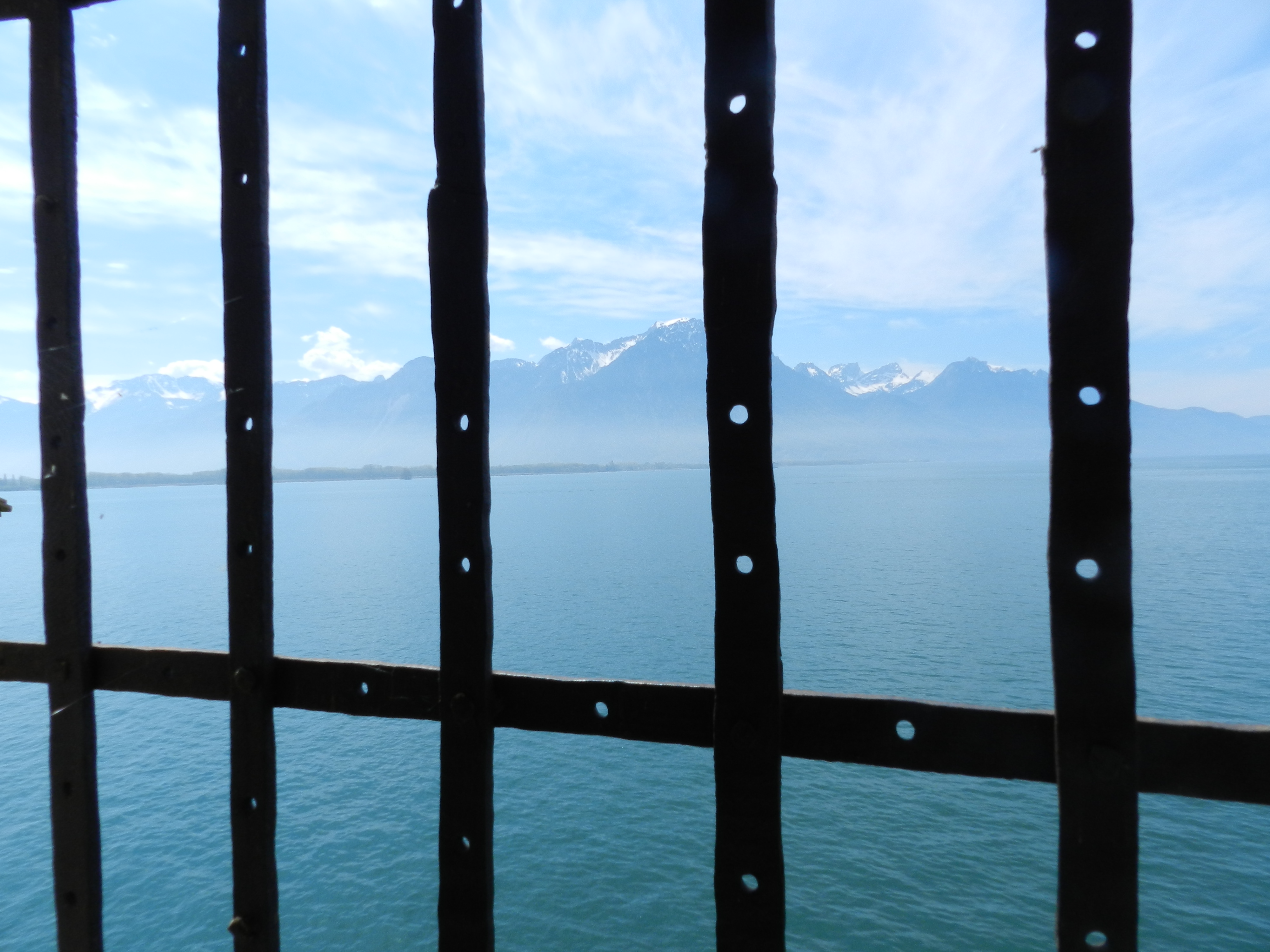
This is a writing blog but today I am breaking the mould by posting a selection of photos of a beautiful place. It’s been a busy few weeks with visitors, and my novel is in the capable hands of a small group of trusted readers, which means I am holding my breath and can’t write much.

After a wet and unseasonably cold week, the sun came out today just in time for the Easter egg hunt and afterwards we went off on a day trip to Chateau de Chillon on Lake Geneva.

Room with a view
Room with a view

I don’t know if you can make out the Alps there in the background. The view from most rooms was spectacular.

I love a nice medieval courtyard!

Stone glamour
Stone glamour
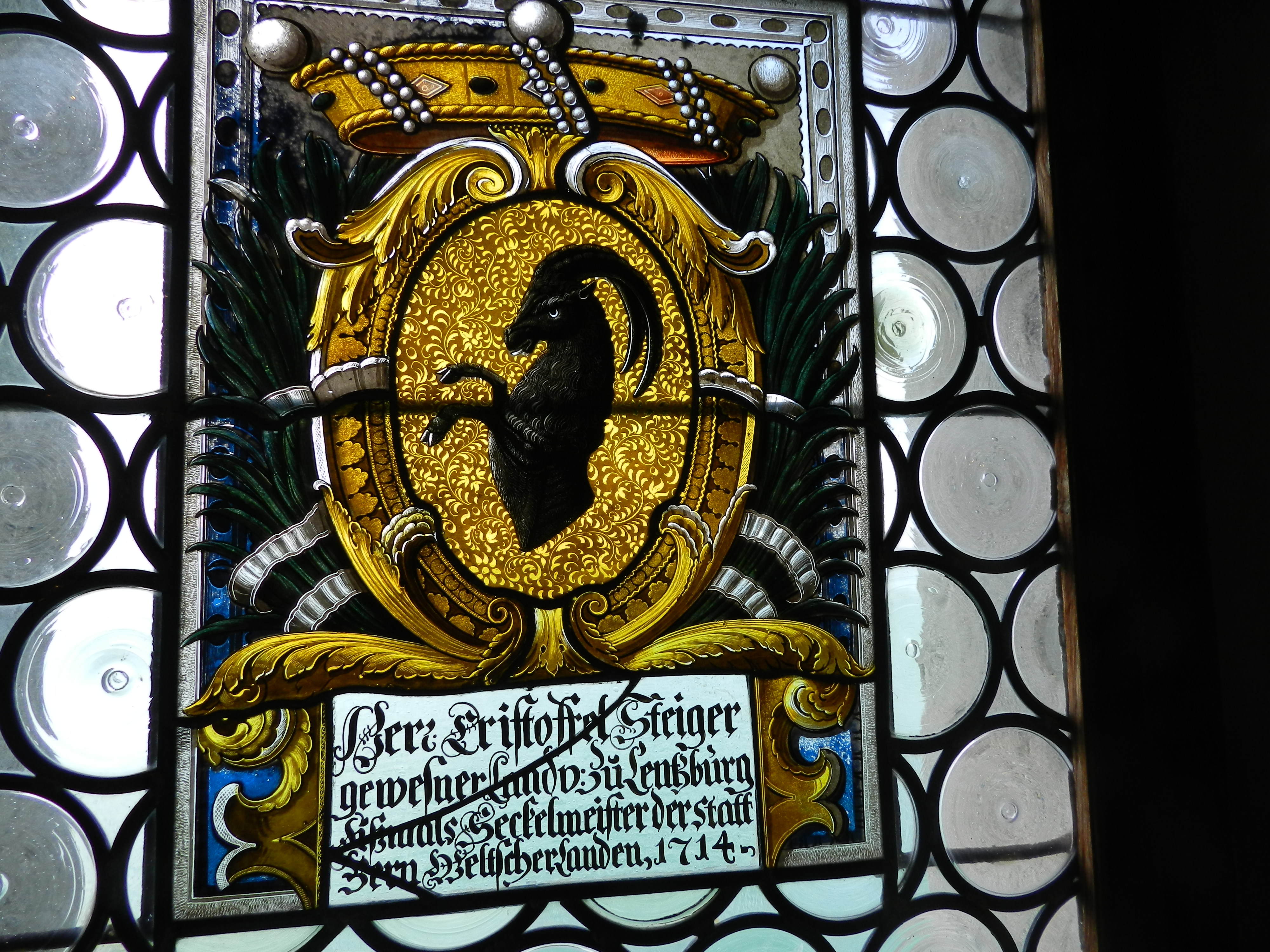
Window crest
Window crest

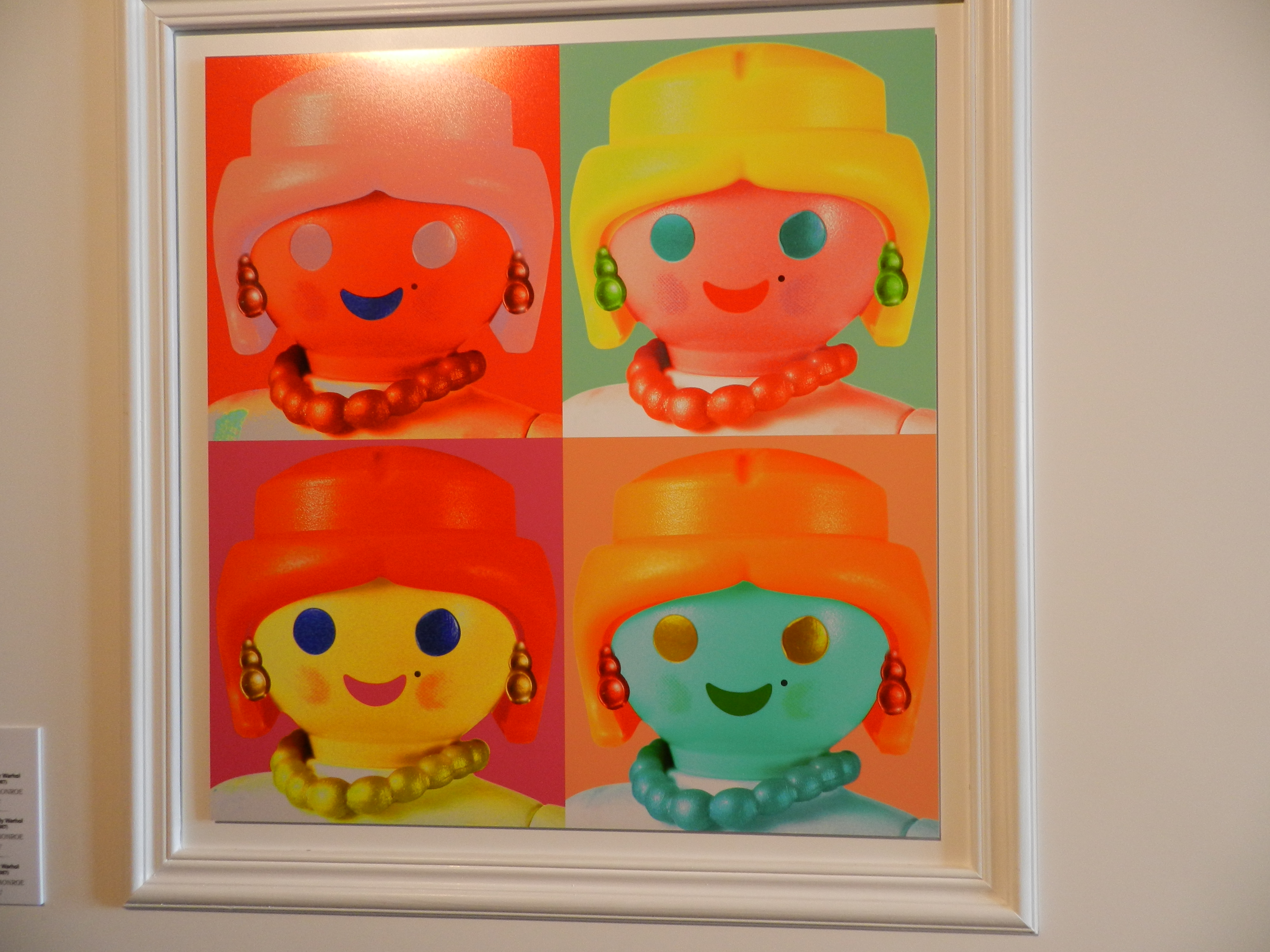
This stained glass crest is dated 1714 but parts of the castle are about 500 years older. The castle was hosting a special exhibition by French photographer and cinematographer Richard Unglick who has staged and photographed many classic paintings using Playmobil characters. Here’s one example:

Richard Unglick Playmobil

And another:

Richard Unglick
Richard Unglick

Before I leave you with one last image, I’d like to thank and pay tribute to my fellow bloggers (in alphabetical order) who have recently nominated me for a Liebster Award:

Arran Bhansal
http://arranbhansal.com/
David J Delaney
http://davidjdelaney.wordpress.com/
Anne Goodwin
http://annegoodwin.weebly.com/annecdotal.html
Niall McArdle
http://ragingfluff.wordpress.com/

And here is the Easter tree in the chateau. Happy Easter!

Can you see the decorations?

Screen time, live to fight another day

stephenbyrne86 Irish Independent

Yesterday I spent about ten hours in front of a screen – eight in the office, one on my laptop at home and one watching television. More if you count the hypnotic hour of windscreen time I spent on the motorway. If this is the world we live in, why am I engaged in such an exhausting and long-running battle to keep my kids away from screens?

It’s almost as if (weird music) I’m trying to replicate the conditions my own childhood. The difference is that back then there was no such thing as games consoles, mobile phones, DVDs, internet, ipads, children’s channels and the rest. How easy it must have been for parents to limit screen time when the only thing on offer was a two-channel television.

In this house another Christmas has come and gone with Santa ignoring all the requests for screen devices that dominated my children’s lists. There is no television allowed during the school week and the children sometimes complain bitterly about the screen desert they are forced to live in. I’m starting to wonder if this puritanical approach will backfire one day. What if they spend the rest of their childhood seeking out contraband screen time? What if they become air traffic controllers?

I’ve tut tutted with other likeminded parents about kids staring at ipads in restaurants or watching films on car journeys. The prospect of a generation of people growing up unable to entertain themselves or practice the art of conversation is not very appealing. But I wonder if my resistance to the norm is becoming a little self-righteous? Not to mention a little hypocritical, considering that blogging and writing involve a fair amount of screen time.

So, while I will continue to worry about how much fruit and veg they are eating, whether they are dressed warmly enough and looking properly before they cross the road, I think the time has come to ease up a little on the screen restrictions.

By the way, if you can’t read what’s in the speech bubble in the cartoon above, the mother is saying: ‘Isn’t it great to have some quality time with the family’. I came across this back in the Irish Independent last September and it now lives on our fridge.

What do you think? Am I throwing in the towel too easily? Anyone else managing to keep the screens at bay?

‘The Impositions of the Body’

Image courtesy of Stuart Miles at FreeDigitalPhotos.net

A paper cut, a sore throat, a sprained ankle – these are the little reminders that the body is fortress that is all too easily breached. I’ve just thrown away my crutches after a minor foot injury and I’m so relieved to be back to normal, defence walls mended – until the next time.

A while back I wrote of review of Still Alice by Lisa Genova, a beautiful portrayal of a woman going through the onset of Alzheimer’s – a wonderful novel which has won a place in my top ten forever. In the same blog post I mentioned So Much for That by Lionel Shriver, which also has illness as one of its main subjects. In this story Glynis, the rather unsympathetic wife of the main character Shephard, is going through aggressive and debilitating treatments for cancer. There is a passage in the book where we get an insight into what Glynis has learned from her difficult experience. I find it bleak but fascinating.

“Before Glynis had become something of a mystery to After Glynis. … This Before Glynis was a woman, she gathered, who had enjoyed the luxury of vast tracts of time unfettered not only by the need to make money, as Shephard was forever harping on about, but – all that really matters, it turned out – by the impositions of the body. This was a woman who was “well”. (Perhaps more than any other quality, this theoretical state eluded the After-Glynis grasp. But only as an experience. As a concept, she understood being “well” better than anyone else on the planet.) For After Glynis had discovered a terrible secret: There is only the body. There was never anything but the body. “Wellness” is the illusion of not having one. Wellness is escape from the body. But there is no escape. So wellness is delay. What had Before Glynis – Well Glynis, Pre-Inorexably-Going-To-Be-Sick-Any-Minute-Now Glynis, done with her free ride, her gift of the soon-to-be-revoked illusion that she was not, after all, a body – a body and only a body?”

Another passage about illness that made a big impression on me comes from The Diving-Bell and the Butterfly by Jean-Dominique Bauby. This unforgettable memoir was dictated by Bauby who suffered a massive stroke and was left paralysed and unable to speak with Locked-In Syndrome. It must be the only book which was dictated by blinking one eyelid (he describes the technique in the book).

“In fact it is in my respiratory passages that I can hope for improvement. In the long term, I can hope to eat more normally: that is without the help of a gastric tube. Eventually, perhaps I could breathe naturally, without a respirator, and muster enough breath to make my vocal chords vibrate.

But for now, I would be the happiest of men if I could just swallow the overflow of saliva endlessly flooding my mouth.”

Although Bauby laments all that he has lost, the book is not an exercise in self-pity but a record of what is beautiful and precious in life.

Has anyone else come across interesting books that deal with the subject of illness? Or is it something you have written about yourself?

(Image courtesy of Stuart Miles at FreeDigitalPhotos.net)

Act II, Scene 1: Return to Switzerland

Home away from home
Home away from home

When there is a scene change in a play, the lights go down, the stage hands scurry in and skilfully whisk away the furniture and props, replacing them with whatever is needed for the new scene. The backdrop changes. The audience waits expectantly. A moment before, the actors were in a sunny garden having a tea party; now we find them on a battlefield, in a kitchen, a schoolroom. And the action continues.

The scene has changed for me again and the action continues. Yesterday I drove to work in the pre-dawn light and returned home at dusk. It was all so familiar, driving along the Swiss motorway, the Alps, crowned with pink-tinged clouds, providing a beautiful, distracting backdrop, the news headlines in German and me concentrating on the words, the road, the scenery.

When you move countries there is no such thing as a gradual change. You emerge from the plane and that is it. The dreamlike state of travelling is over and you have left the other behind, utterly. I’m amazed at how quickly I have adjusted and fallen back into this new/old life. The big goodbyes of last week seem a million miles away, or 1,200 kilometres to be precise.

Having had the luxury of spending so much time with Irish friends and family, it is frustrating to have to revert to long-distance communication again and to think in terms of future visits. The main consolation is that I now have the luxury of spending time with Swiss friends and family and making the most of this wonderful place.

Belated season’s greetings to everyone who follows this blog, as well as to new visitors. You may be pleased to hear that I will have less to say from now on about me the emigrant (you’ve been very patient!) and more to say about me the writer. Assuming I can keep up the momentum, in 2014 I will be blogging more about my novel and other writing themes. Thank you all for your presence and positive comments throughout the year.

Athbhliain faoi mhaise daoibh go léir.

Ireland – far away, up close

Time to say goodbye
Time to say goodbye

Some things, like impressionist paintings, are only clear when you take a step back. Not having lived in Ireland for a decade there are certain things I am seeing with fresh eyes. As I near the end of a four-month sabbatical in Dublin and contemplate the return to my life in Switzerland, it’s a good moment to cast an objective eye on the homeland.

Cold comfort: I now understand why we like to live in terraced houes, in the city at least. Huddling together, as penguins know, is the best way to keep warm. I’m not entirely joking when I say that the only thing keeping me here right now is my electric blanket.

Irish houses have chronic insulation issues and heating – what time you turn it on, how big your bills are, how useless storage heaters are – is a big topic of conversation. This issue should be the central plank of any political party manifesto. I think the political leader who makes our homes affordably warm is destined to win the affection of the nation.

Gale force: A note from the second windiest country in Europe (after Scotland). The wind is wreaking untold devastation on the hairstyles of Ireland, a problem that does not get the recognition it deserves. You could have your hair set in iron cladding and it would still get blown to bits. If there was some way we could marry the wind resource with the home heating gap we would be set up for life. Anyone, anyone?

Comfort eating: You have to have something with those endless cups of tea. The Irish are the biggest chocolate, cake and biscuit munchers in Europe and the selection of crisps is second to none. Yes there may be public health implications but it is also worth celebrating the sheer wealth of delicious treats available.

Storytelling: I don’t think Irish people live more dramatic lives but they certainly have the ability to turn life experiences into good stories. This comes across a lot on radio – I’ve often been stopped in my tracks by the voices of people recounting something powerful. Amongst my own friends and family I’ve had evenings here where story after story is told which could provide the plots for several novels. Speaking of which, I’ve lost count of the number of people I’ve met who are writing novels. The competition is going to be stiff!

Rule bending: Travelling with three children on the bus every day I have experienced plenty of instances of friendliness and kindness from bus drivers which never ceases to amaze me. There have been other situations where the ability to apply common sense or compassion over the rules has made life easier for me. It’s not something you come across as often in Switzerland.

The next twelve days will be all about letting go and saying goodbye again. But that’s OK. The trip has gone really well overall and I think I can say I found what I was looking for.

Getting away from it all

New horizon, old horizon

There are the restless years. The years of trying out jobs, hairstyles, places to live. That era of cycling home with your shopping bags swinging from the handlebars and spending everything you earn. You get caught in the rain, you never have a decent coat and you laugh a lot.

When you are living lightly, unencumbered by pots or pans, children or a hard-to-replace job, changing location is as simple as walking away. You don’t own anything you can’t carry, you don’t owe anyone anything. You book your flight and you go.

Then before you realise what has happened, the landscape of your life has changed. It takes a team of men a full day to move the furniture you have accumulated. You actually read through the quarterly statement from your pension plan. Gardening magazines find their way into your home and you become concerned about booking holidays early.

Middle age. There’s no getting away from it, that gradual drift towards Sofa, the god of comfort and inertia. Or is there?

One of the great things about my sabbatical visit to Ireland (now three-quarters over, tick tock!) is that feeling of having defied the pull of middle age just a little. Packing up and setting off for new horizons was a part of my life I thought I would never have back again, or at least not until my children were raised. But it has come to pass, and this time, after a decade abroad, I have returned to the original horizon of my youth, Dublin Bay – and it feels good.

Has anyone else found a way to feel free again? I’d love to hear about it.

Once upon a time in Westport House

Westport House
Westport House

Once upon a time I went to Westport House. I know this not from any particular memory but because there is a photograph from that day and it was a holiday that was later much spoken about. My mother wore a scarf on her head and a long skirt. I was one of three little girls, content in a world that did not extend very far beyond our family unit at that happy time.

The real event of the holiday was the death of Elvis Presley.

The sad news sparked an impromptu sing song in the hotel where we were staying. I remember the children being left to their own devices that night as the adults all descended on the bar to sing song after emotional song.

The other drama of the holiday was an afternoon at the beach when we became stranded by the incoming tide. We had had a picnic on some sort of grassy hillock and to get back to the car my father had to carry the two eldest children on his shoulders through the surging sea. My mother saved the baby and the picnic basket.

That little rescue scene is one of my happiest childhood memories. It comes from a time when our parents could protect us from anything and we liked nothing more than just being together.

By chance, or perhaps by some subconscious design, this week I found myself in Westport House again, thirty six years since the last visit. Our three little girls are now very close in age to the three little girls of 1977. And yes, we took a photograph on the steps of the house.

The stately home of the Marquess and Marchioness of Sligo now has a Pirate’s Park in the grounds, amusement rides and a mini train. But the house is as beautiful as ever and the sun obliged by coming out just before we left for this picture.

The great sea escape

Ever-changing story
Ever-changing story

Since I arrived back to live temporarily in Dublin I can’t get enough of the sea and its show-stopping other half, the sky. We are all products of our environment no matter where we come from and that makes me a coastal person. There’s a feeling of being on the edge of something vast and mysterious. The sea is an ever-changing story – welcoming one day and threatening the next.

Gazing out over the sparkling waves again, I am struck by how inaccurate the term insular is. On an island you are always looking out, not in. You are confronted with the limits of your existence, exposed to the beauty and cruelty of nature. You cannot help but dream about the world beyond the horizon.

The sea is a powerful presence. It calls us back when we go away. One day maybe we’ll find out what it has to tell us.