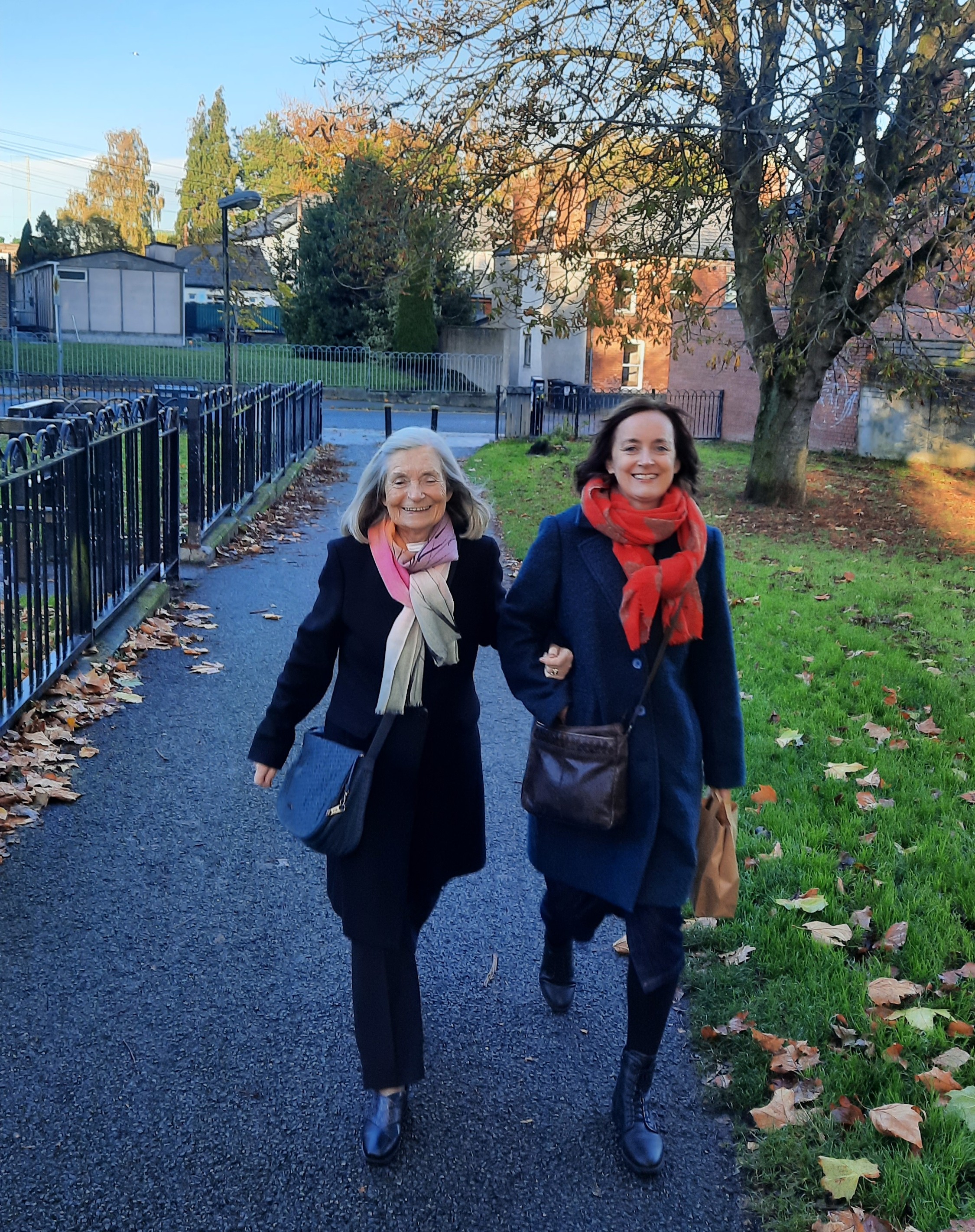
Irish authors winging their way to Switzerland

Martina Devlin, author of Charlotte. Picture credit, Steve Humphreys

All winter, the various Irish groups in Switzerland have been meeting regularly online to plan Ireland Week. And now that St. Patricks’ Day is approaching, we’re counting down to the first events next weekend.

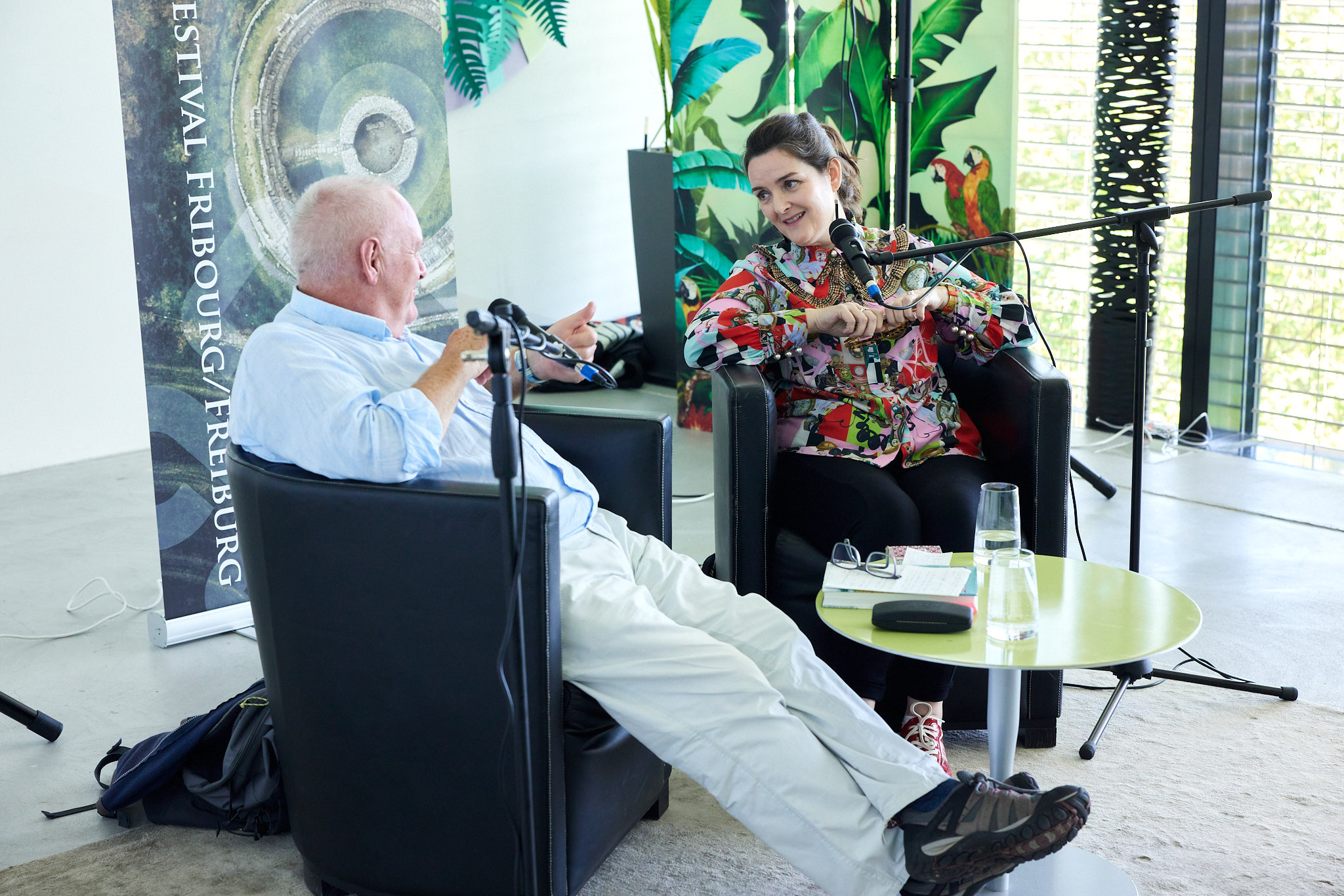
The Ireland Week programme includes one Fribourg event, where I will get to interview award-winning Irish author and newspaper columnist Martina Devlin. If you’re within reach of Fribourg city, do join us at Centre le Phénix, rue des Alpes, on Saturday 15th at 5pm. The talk will be followed by music and drinks.

Martina’s latest novel, Charlotte, explores the little-known Irish connections of Charlotte Brontë, who died less than a year after her honeymoon in Ireland. At that stage, Charlotte had lost all five of her siblings and this was her brief chance at happiness. Her Irish widower went on to marry a younger cousin who had met and admired Charlotte on that Irish trip and would remain forever in her shadow.

We’ll be talking about Charlotte, and perhaps some of Martina’s eight other novels. Early this century, Martina and I crossed paths briefly as journalists in Dublin so there’s a high risk we’ll also touch on current affairs. I am so pleased to have this opportunity to present such a talented writer to a Swiss audience. Full details on the Irish Festival website. With thanks to Tourism Ireland, Colm Kelleher and the Irish Embassy for their support.

Meanwhile in Zurich, fans of Irish literature will be spoilt for choice, with five ‘Irish Voices’ author events during Ireland Week, as well as a literary pub stroll, a writing workshop (in German) and ‘A Dublin Man’s Guide to Zurich’ walking tour. Back to the Ireland Week link for details and you can enter two competitions to win flights to Ireland while you’re at it.

The Irish Voices series is organised by the Swiss Centre of Irish Studies and hosted by the Zurich James Joyce Foundation. The series kicks off with Martina Devlin (in Zurich) on Friday 14th at 7.30pm. Wendy Erskine, Melatu Uche Okorie and Elaine Feeney will each have their own event, finishing up with the authors of the Complete Aisling series, Orla Breen and Emer McLysaght on March 22nd.

Just before Ireland Week, on March 11th, Colum McCann will be at the Literaturhaus in Zurich to talk about his new novel, Twist. I believe that event is almost sold out. But you can check on the Literaturhaus website.  

I would love to go to all these events but I’m going to be at the London Book Fair and the Salon du Livre in Geneva for work, which clashes with everything. Luckily Martina Devlin can make time to come to Fribourg in between!

While I’m in London, I’m also going to meet my UK publisher and editor in person for the first time, even though we’re well advanced on book two! Can’t wait to hear about Fairlight Books’ plans for my new novel. The title and publication date should be announced very soon. Hopefully that will be my next post!

Enjoy Ireland Week & St. Patrick’s Day, let me know what you get up to, and may the sun shine warm upon your face etc.

A new novel and other exciting news

Popped into the legendary Irish College on a visit to Paris with my sister in September!

Six months ago, I started a new job working for a Swiss book distribution company. It was getting more and more difficult to make a living as a freelancer so I decided to come in from the cold. That’s why you haven’t heard so much from me recently.

On my first day, I was shown around the warehouse, a stopping point for three million books that might or might not be picked one day. A few copies of my own books were in among the multitudes. Surrounded by all that human endeavour, I felt a mixture of admiration and discouragement.

Since then, I’ve had good news on the publishing front. Fairlight Books, the UK publisher of Voting Day has decided to publish my second novel next autumn. I’ll tell you all about it with plenty of fanfare when the news is official.

At the moment I’m working on edits to the book, adding new scenes and finishing touches. It’s such a relief to have the backing of an editor again! I can’t wait to see what readers think of this story, which touches on existential questions.

Now that I have a regular day job, I’m not publishing journalism anymore, for the first time in almost 30 years. Before signing off, I published a collection of my recent articles (2022 – 2024) in the ebook All About Switzerland. All purchases and reviews greatly appreciated!

Thankfully I still have my writing life. One of the things I enjoy most about being an author is the comradeship of other writers. Three of my Swiss-connected allies have books coming out in the first months of 2025 and I encourage you to discover their work.

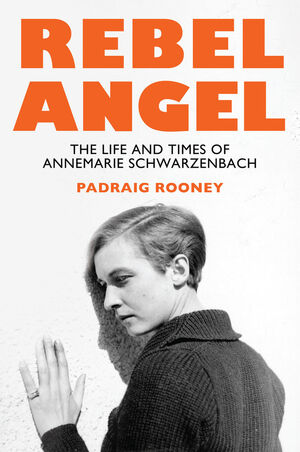
Padraig Rooney is back with Rebel Angel a biography of the Swiss icon Annemarie Schwarzenbach, “one of the twentieth century’s most remarkable women, possibly the greatest sexual and political radical of the 1930s”. To be published by Polity Books in February.

Padraig is also the non-fiction judge for the relaunched Geneva Writers’ Group Literary Prize. The GWG Literary Prize 2025 invites writers to explore the power of hope and the resilience of the human spirit. The categories are fiction, creative non-fiction and poetry and the submission deadline is January 31st. Entering a writing competition could be a great New Year’s Resolution … why not?

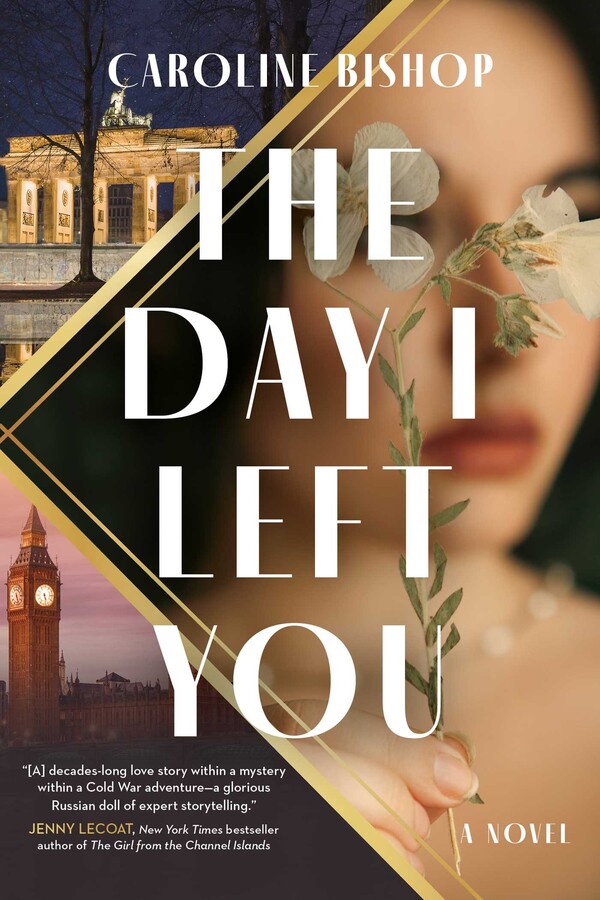
Also in February, Lausanne-based Caroline Bishop is publishing her third novel, The Day I Left You, set against the backdrop of the Cold War. I just know I’m going to love this one: “An epic love story about Greta and Henry, who by chance meet in 1982 East Berlin and find a love that’s meant to last a lifetime—until Greta vanishes.” Published by Simon & Schuster.

And in April, also with Simon & Schuster (Seventh Street Books), Kim Hays will publish the fourth crime novel in her Polizei Bern series, Splintered Justice. After a tragic death at the Münster Cathedral in Bern, homicide detective Giuliana Linder and her investigating partner Renzo Donatelli have to contend with powerful lies and the passage of time to get to the truth.

For anyone near Geneva, you should keep an eye on English programme of the Société de Lecture. This year, their guests included Deborah Levy and Rachel Cusk, both of whom I had the honour of interviewing. Next year I’ll be in the hotseat myself, speaking about The Naked Swiss on January 22nd. I’m also very excited that I will get to interview David Nicholls in May!

The Irish Festival Fribourg/Freiburg will also be back in a small way in March, hosting a literary event as part of Ireland Week. We’ve booked a fantastic Irish writer but that news merits a dedicated blogpost announcement so I’ll save it until January.

I’m planning to keep up more regular contact through this blog in 2025. In the meantime, I wish you happy reading and writing, a relaxing Christmas break and a bright New Year.

Bringing the Irish saints and scholars back to Switzerland

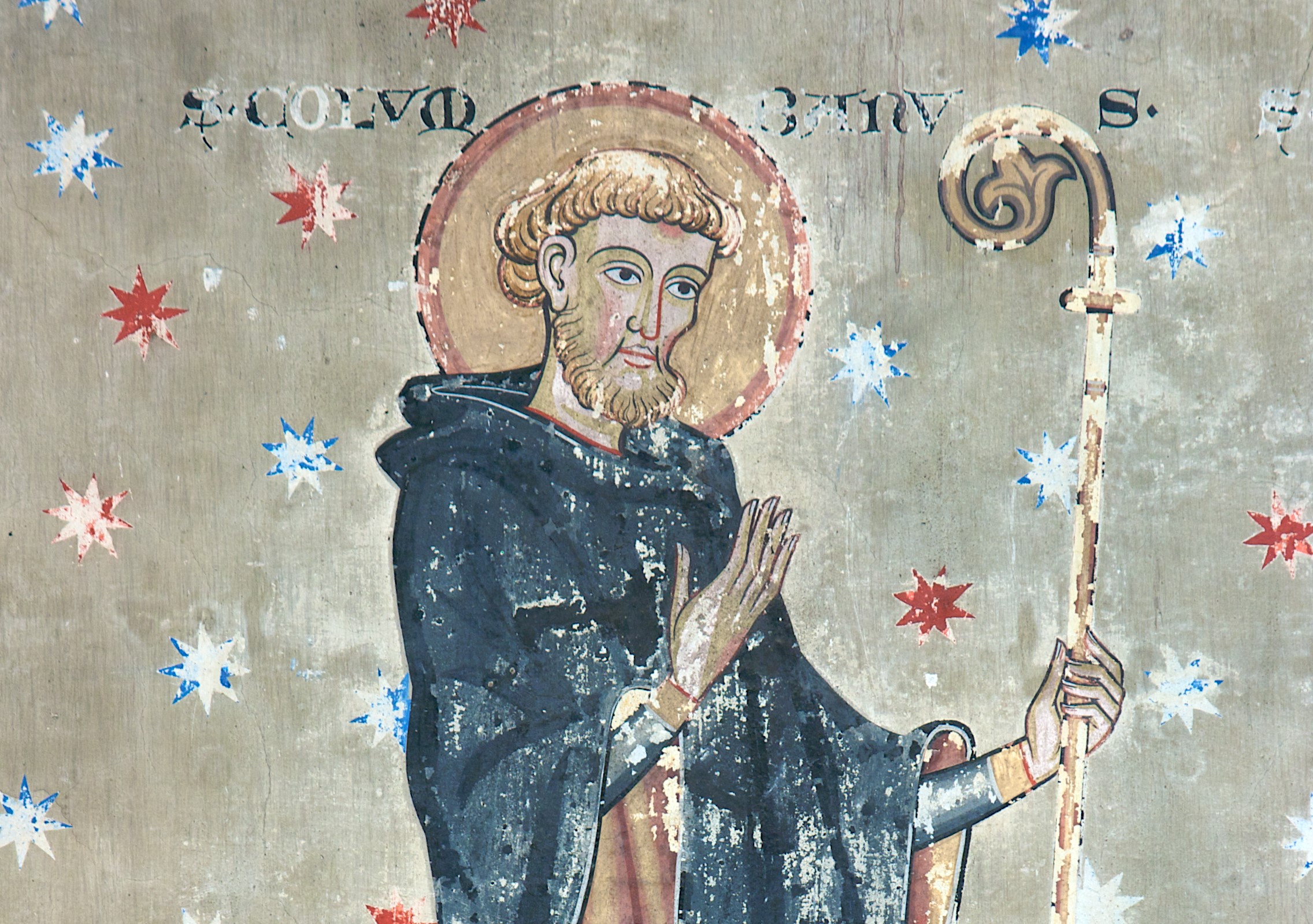
St Columbanus, neo-gothic mural in the church of St Pierre-le-Jeune, Strasbourg

The historical connections between Ireland and Switzerland run deep. Both countries share a Celtic past, and Switzerland (Confoederatio Helvetica) is even named after a Celtic tribe – the Helvetii – that once called these lands home.

The most legendary phase of Swiss-Irish connection was in medieval times when Irish monks travelled across the Continent after the fall of the Roman Empire, bringing learning to the peoples of Europe.

This era of saints and scholars is the subject of a pop-up exhibition taking place in Centre le Phénix, Fribourg this Friday, March 15th, from 2pm to 6pm. The exhibition is organised by the Irish Festival Fribourg/Freiburg as part of Ireland Week celebrations in Switzerland in the lead-up to St. Patrick’s Day.

Trailblazers

“Ireland and the Birth of Europe” exhibition tells the story of the long-lasting Irish presence in Europe, from Columbanus and his followers in the 6th and 7th centuries, up to the Irish-founded monasteries called Schottenklöster, a movement that peaked in the 13th century.

Around the year 590, Columbanus left the Irish monastery of Bangor for the Continent, where he established a succession of monasteries: Annegray, Fontaine, and Luxeuil in the Vosges mountains, and Bobbio near Genoa. Over the centuries, the monks were followed by scholars, theologians, philosophers, and poets.

Around 600 CE, Columbanus wrote ‘of all of Europe’ (totius Europae), becoming the first to use the expression in reference to the Continent’s cultural identity.

One of the original Bangor group, St. Gall, reached the region of today’s city of St. Gallen around 612 CE, and established a small settlement there in the wilderness, which was later the site of the famous Abbey of St. Gall. The Abbey Library, to this day, holds some of the most important sources of Old Irish in existence.

The Priscian manuscript

The following is an extract from my book, The Naked Irish: Portrait of a Nation Beyond the Clichés:

Is acher ingáith innocht fufuasna faireggae findḟolt ni ágor réimm mora minn dondláechraid lainn ua lothlind

‘Bitter is the wind tonight, it tosses the ocean’s white hair

I fear not the coursing of a clear sea by the fierce warriors from Lothlend’

These words in Old Irish run along the top of a page of a manuscript of Latin grammar dating from the ninth century, the Priscian manuscript of St. Gallen. Lothlind, land of the lakes, is an early form of the Irish word for Scandinavia, more specifically Norway. The fierce heroes kept at bay by the weather are Viking raiders.

The unknown scribe who wrote these lines lived in dangerous times. We don’t know exactly what scriptorium he worked in, but two possible locations are the monasteries of Bangor or Nendrum, in Co. Down, both of which suffered heavily under Viking attacks in the ninth and tenth centuries. The monks would have breathed easier on stormy days.  

I love the idea of the obedient monk faithfully transcribing page after page of intricate text for months or years, working for the community, for learning, for God. And then, one dreary day, he feels the urge to write something heartfelt and original. He throws caution to the wind and allows himself a brief moment of creative expression. That brief moment of inspiration survives more than a millennium.”

Traces of the past

“Ireland and the Birth of Europe” was researched, written and curated by Dr Damian Bracken, University College Cork, and Dr Angela Byrne for the Irish Department of Foreign Affairs. The exhibition is hosted by the Irish Festival Fribourg/Freiburg with the support of the Embassy of Ireland. 

The source of the translation above is http://www.stgallpriscian.ie/index.php?id=7056&an=1 with input from Kuno Meyer’s translation. I was amazed I could recognise some Old Irish words – like ‘tonight’, ‘sea’, ‘wind’, ‘warrior/hero’ – that are very similar in Modern Irish. Needless to say, a visit to Abbey of St. Gall is well worth the trek.

If you are on the trail of Switzerland’s Celtic past, the impressive Laténium museum and park on the Lake Neuchâtel is a good place to start. It has a wonderful collection of La Tène metalwork, pottery and jewellery, as well as objects from settlements as far back as the Palaeolithic Era.

The most amazing artefacts, I think, are words. I grew up in a place called Dún Laoghaire in Ireland. We have a lot of dun- placenames in Ireland, from the Irish word for ‘fortified place’.

But I didn’t realise that the -don placenames in Switzerland – like Yverdon – come from the same older, common Celtic word. The list goes on: Rhone, Brig, Winterthur, Solothurn are just a few of the many Swiss placenames derived from the original Celtic names.

If you can make it to Fribourg on Friday, the festival team will be glad to welcome you at Centre Le Phénix, and we’ll send you home with some Irish sweets. Enjoy your St. Patrick’s Day celebrations wherever you are. Beannachtaí na Féile Pádraig oraibh go léir!

(Photo above by Nick Thompson used under Creative Commons BY-NC-SA 2.0, from https://www.flickr.com/photos/pelegrino/3740029289/ )

Festival time: when Ireland came to Fribourg

At the welcome desk in Equilibre (photo credit: Patrice Bechtiger Photography)

Exactly this time last week, the Irish festival in Fribourg was in full swing. I was in La Spirale Jazz Club enjoying an exhilarating performance by The Dixie Micks. At the end of the sold-out concert, I ended up on stage with fellow organisers Julie and Deirdre for a rendition of Whiskey in the Jar. I can’t remember the last time I was part of such a joyful gathering.

The day had started at the university building with a writing workshop, followed by two public lectures and an interview with John Boyne. Later, there were two more author events in Equilibre Theatre, and two films (A Date for Mad Mary and Redemption of a Rogue) before The Dixie Micks concert.

Before that, bright and early, I was standing at a bus stop with a sandwich board and a bunch of large cut-out arrows in bright orange card. Things got so busy on Sunday afternoon that I needed my bicycle to travel quickly between the The Celtic Cello concert set-up, the Welcome Desk at Equilibre Theatre and the Cinema Rex to announce the Irish-language film The Quiet Girl.

From the launch party on Friday afternoon to finally packing away the welcome desk on Sunday evening, I had seen friends, guests, volunteers and visitors happily take over the streets of Fribourg, secure in their welcome. In the 20 years I’ve lived here, it’s never felt more like home.

The Irish Festival Fribourg/Freiburg (IFF) has gradually taken over my life in the past year. Before the festival fades into a blur of indistinct moments in my memory, I want to get some highlights down in colour. I want to remember how amazing it was.

I hope you enjoy these photos, some taken by friends, some by our official photographers Rromir Imami and Patrice Bechtiger.

John Boyne signing books after his interview with Helen Stubbs Pugin (Photo credit: Rromir Imami)
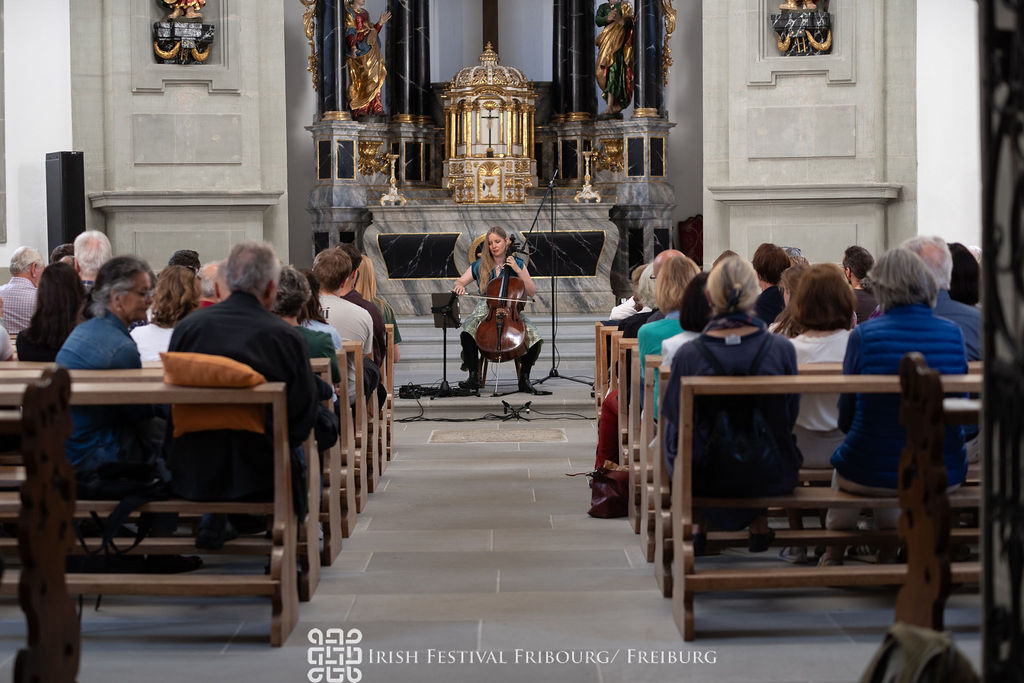
The Celtic Cello performance in l’Hôpital des Bourgeois (Photo credit: Rromir Imami)
With Deirdre Coghlan (L), Julie Hunt (R) and The Dixie Micks (Photo credit: @seaagency1)
Padraig Rooney and Nuala O’Connor (Photo credit: Patrice Bechtiger Photography)

Captive audience at the lecture by Shane Walshe of the Swiss Centre of Irish Studies (Photo credit: Rromi Imami)
The writing workshop with Sarah Moore Fitzgerald (Photo credit: Rromir Imami)
Véronique Platschka of Tourism Ireland and Shane Walshe at the Welcome Desk (Photo credit: Patrice Bechtiger Photgraphy)

A week on, today, the festival team – temporarily scattered by illness and other work commitments – got together to review the weekend. The verdict: we couldn’t have asked for a better first edition of the festival, we expect to come back in 2025 (tbc) and we need time to tend to the neglected parts of our lives – in my case writing.

A thousand thanks to all who came to Fribourg for the festival, to the volunteers, our local partners, the guests of honour, the visitors and those who made the inaugural IFF possible through financial and practical support:

Loterie Romande, Tourism Ireland, l’Agglomération de Fribourg, l’Etat de Fribourg, Culture Ireland, Government of Ireland Emigrant Support Programme, Colm and Ella Kelleher, the Irish Embassy Berne, Max Geilinger Stiftung, IFI International, McGonigle Watches and the Swiss Centre of Irish Studies. 

Behind the scenes: the slow business of show business

The first quarter of the year is over and the Irish Festival Fribourg/Freiburg is taking shape. A lot has been accomplished since I last wrote about the festival in October. Even though there is plenty more to do, and it feels as if new tasks are added to the list daily, we are also seeing the first results of the winter’s work.

I’ve attended my fair share of cultural events over the years but only once before actually worked on the organisational side. That was in 2003, the last job I had before I left Ireland for good, when I worked as a producer for Gúna Nua theatre company. I’d forgotten how enjoyable and satisfying it is to make things happen! But, my God, where did that 20 years go?

The most important breakthrough this year was that the Agglomération de Fribourg, the equivalent of the city council, decided to back the festival. Without their support, other potential funders would automatically have said no.

We got the news on March 9th after sending in our 25-page application at the end of November with 13 supporting documents. More supporting documents were requested in January, including a contract with one of the venues. The project was discussed at three meetings before we finally got the good news. A champagne moment. 

Group effort

Having the support of the Irish Embassy, Tourism Ireland, Fribourg Tourism and the Irish Film Institute International helped make our case much stronger. There are still some funding decisions to come in and possibly more applications to send out. In the meantime, we are getting everything else lined up – the programme, the venues, the website, publicity, ticketing, volunteers, insurance, travel … the list goes on.

Now it’s as sure as sure can be: Ireland is coming to Fribourg for the weekend of 6-8 October. Save the date! We’ll be announcing the programme in June, which is suddenly around the corner. Just a note that I’m not using the royal we. I’m joined in the whole enterprise by two brilliant Fribourg women – Julie Hunt and Deirdre Coghlan. Follow the festival Facebook page to hear more about our progress.

Book anniversary

In other news, it’s a year since Voting Day was published by Fairlight Books, and two years since the Swiss edition came out. I’m visiting two Swiss schools in the next few weeks to talk to students who’ve studied the novel and I’ve been invited to a university in Poznań in Poland later this month for the same reason. I’m delighted the story is still making waves, and I love meeting readers of all ages.

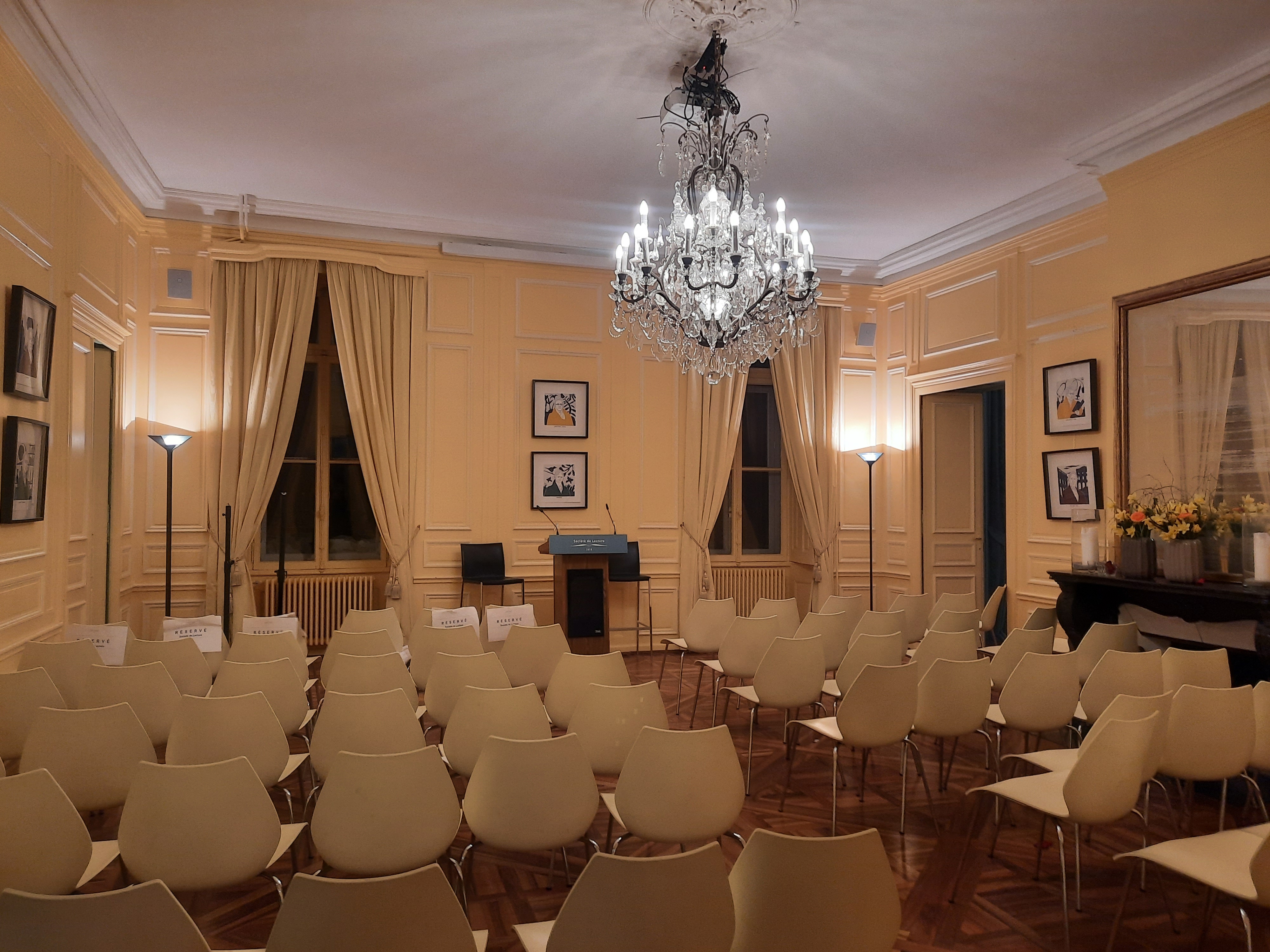
On my own reading pile, I’ve been working my way through the excellent Wyndham-Banerjee series of crime novels, set in Calcutta in the 1920s. I was lucky enough to interview the author Abir Mukherjee at the Société de Lecture in Geneva last week. We were in the beautiful yellow room you see above. I don’t have photos of the event yet.

More reading tips

My standout read of the year so far is Haven by Emma Donoghue, an extraordinary, captivating story set in seventh-century Ireland, featuring three monks on a quest to found a monastery in the most inhospitable place possible – Skellig Michael off the coast of Kerry. It was amazing to be transported back that far in history. Donoghue must be one of the most accomplished writers of historical fiction working today. I can also highly recommend the film adaptation of her 2016 novel, The Wonder.

And there’s a treat in store for fans of Swiss crime fiction with the publication of the second title in the Polizei Bern series by Kim Hays this month. Sons and Brothers centres on the suspicious death of an eminent (but not very likeable) heart surgeon whose body is pulled from the Aare in Bern on a winter’s night. The investigation leads detectives Giuliana Linder and Renzo Donatelli back to the doctor’s childhood home in the Emmenthal region.

Time for me to wrap up and wish the readers of this blog a pleasant Easter break. This is birthday season in our home with three birthdays coming up next week, so my to-do list is taken over by presents, cakes and parties for the next while. A very welcome change.

Green shoots for Voting Day: news and events

Spring is in the air and I’m ready for more colour and connection. I think everybody feels the same. At the moment, I’m gearing up for the UK & Ireland launch of Voting Day with Fairlight Books on April 1st. The book will also be available in the United States which is very exciting (links to order below).

When Voting Day came out in Switzerland, this time last year, book shops were closed and the maximum number of people who were allowed to gather was five. It makes me all the more grateful for the opportunities coming up this year – especially an invitation to the legendary Listowel Writers’ Week!

Here are some dates for your diary if you live in Switzerland or Ireland:

March 8 BERN International Women’s Day event in Stauffacher Book Shop, Neuengasse in Bern. Stauffacher was founded in the 1950s and my book is set in Bern in the 1950s. Serendipity! My characters could have shopped there. I’m pretty sure Beatrice would have been a regular.

Doors open for the FRAUEN IM FOKUS event at 8pm. There’ll be music from pop duo Cruise Ship Misery and I’ll be in conversation with the German translator of Voting Day, Barbara Traber.  Come along, bring your friends, and let’s celebrate books, women’s rights, music and other positive things. Tickets (CHF 15.00) and more info here. The event is in German.

April 6 ZURICH at the Swiss National Museum (Landesmuseum).  As part of the current exhibition Amazingly ambivalent (Wunderbar widersprüchlich), I’ll be giving a short tour and talk on the topic of contradictions in Switzerland. The tour, in German again, starts at 6pm. You can reserve a place at this link.

April 21 DUBLIN for the launch of Voting Day (Fairlight Books) in Hodges Figgis Book Shop, Dawson Street. After two years of cancellations and missed opportunities, I’m not missing the chance to celebrate the new edition of Voting Day. The book will be launched by the lovely Anne Griffin, author of Listening Still. The launch starts at 6pm and everyone is welcome. The more the merrier!

June 1 – 5 LISTOWEL WRITERS’ WEEK in Co. Kerry. One of Ireland’s longest-running book festivals, Listowel Writers’ Week is a famously friendly and stimulating occasion. Lots of great writers have been part of the festival over the years and I’m truly honoured to be asked to present Voting Day in this beautiful part of the world. Date of the event to be confirmed.  

For all my books I’ve worked with small publishers and no agent. It’s been a bit of a rocky road but somehow, good things keep happening – just in the nick of time – that make it all worthwhile. I hope I get to meet some of this blog’s readers in person over the next couple of months.

Here are those links I promised to buy Voting Day in different places:

Barnes and Noble (US), Waterstones (UK) and Stauffacher (Orell Füssli). I also have an order form for the four Swiss editions (English, German, French & Italian) on this website, if you want to order directly from me to a Swiss address. Available from O’Mahony’s in Ireland.

And you might enjoy this review I wrote for the Dublin Review of Books of Rosita Sweetman’s wonderful memoir Feminism Backwards. One last link in this link-fest – I really enjoyed writing this essay for the booksbywomen.org website about time travellers and book research. Have you spoken to any time travellers recently?

An online reading, a vintage setting and gift ideas

This month I’ve had a flurry of book-related activity, some of which required learning new skills. Like video editing! We’ve all come a long way with video communication in the past year and a half, haven’t we?  

I remember back at the start of the pandemic when members of my book club suggested holding our next meeting online. That’s not going to work, I thought. Too many people on screen, too addling. How could you possibly have a discussion?

Soon after that I was asked to do a live online interview about my books. I declined because I was pretty overwhelmed at the time with the children off school and a new temporary job. I also didn’t think I could bear to be live on screen for a whole hour.

Now of course, that’s completely routine. I’ve been part of umpteen ‘Team’ and zoom meetings with different organisations. Our book club did well for a year online. My extended family ran a monthly quiz with three generations taking part. And the online launch of Voting Day in February of this year was an amazing experience, almost better than the real thing!  

Drink and the Irish

Which brings me to a new date for the diary. I’ve been invited to give an online lecture as part of the ‘Ireland and the World’ series hosted by the University of Zurich and the Swiss Centre of Irish Studies. These are free public lectures, and my topic, on December 1st at 6.15pm (Swiss time), is ‘Conquering the world, one Irish pub at a time’. You can find the link by clicking through on this page. For this lecture I’ll be returning to the chapter in The Naked Irish on the Irish relationship with the demon drink.

Translators Aloud

The video editing I tried is pretty rudimentary but it’s a start. To make this video for the Youtube platform Translators Aloud with translators Corinne Verdan-Moser and Anna Rusconi, I had to research how to get the record settings right on zoom, and I figured out how to add a title page and photo at the end. So here it is, Corinne, Anna and I reading from the opening of Voting Day.

December event

One last date for the diary for Zurich people. I have a free public event in German coming up on December 5th in a vintage furniture shop on Ankerstrasse called WOW Props. The ambiance will fit nicely with the 1950s storyline of Der Tag, an dem die Männer Nein sagten (Voting Day). I’d like to thank Andrea Maurer for hosting and Yolanda Pantli of Ouï-e Communications for organising the event. There are two time slots – 11am & 1pm and coffee and croissants for everyone. Register by email: pr@oui-e.com and tell your friends!

Christmas presents

Now is a good time to beat the Christmas rush by buying books from your local bookshop or online. The Naked Swiss: A Nation Behind 10 Myths is the perfect read to demystify Swiss culture and politics. Available in Swiss bookshops or direct from Bergli Books (French and German translations from Helvetiq).

The Naked Irish: Portrait of a Nation Beyond the Clichés is a timely reflection on what it means to be Irish a century after independence. Available from Irish retailers, like Kennys in the above link.

Voting Day is currently available to buy in Switzerland in English, French, German and Italian, either through a bookshop or directly from me at this link (free delivery).

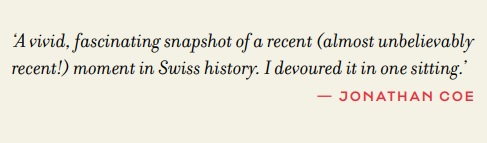
And finally, the UK edition of Voting Day, to be published by Fairlight Books in 2022 is available to pre-order at this link: Voting Day by Clare O’Dea – Fairlight Moderns | Fairlight Books. I’m delighted to share the quote on the back cover of the novel from a writer I really admire, Jonathan Coe.

It’s lovely to come across such kindness in the publishing business. I hope you all have a peaceful time between now and Christmas. Be careful out there!

A fairy-tale ending for my first novel

Schloss Heidegg (image from heidegg.ch)

Actually, it’s more of a beginning than an ending – I hope! This Sunday I have my first in-person book event since Voting Day was published. The event is taking place in a fairy-tale setting, Schloss Heidegg in Canton Lucerne.

The castle, overlooking Lake Baldegg, dates back to the Middle Ages. It has a rose garden and a park and a museum. I would go there gladly anyway. But to be invited by the Seetaler Poesiesommer festival to talk about my book is amazing.

I’ll be there along with Barbara Traber, the German translator of Voting Day (Der Tag, an dem die Männer Nein sagten), who also wrote the foreword of the book. Barbara was a translating match made in heaven. Not only is she a Swiss-German author who has written and translated dozens of books, she also remembers the vote in 1959 when she was a teenager. She has given me wonderful encouragement and guidance since we met exactly a year ago.

The event in German begins at 11am and you can find more details on the castle website here. It’s organised by Ulrich Sutter and there is an Irish theme with music from Irish composers and readings from the poetry of Franz Felix Lehni who lived in Ireland.

UK publisher

Last month on social media I shared the news that I’ve signed a publishing deal for Voting Day in the UK. Fairlight Books came back to me with a yes at the beginning of this year and they will publish their own edition of the book in the UK and Ireland under their Fairlight Moderns novella series next April. If you like your literary fiction on the short side, check out their titles.

It just happens that next year is the centenary of Irish women gaining full and equal voting rights, and I think a book written about the Swiss experience should be of interest to everyone. Women have faced the same problems to a different degree in all patriarchal societies over time. A culture that gives men a disproportionate share of authority, ownership and power breaks the natural partnership between the sexes. We are stuck fighting the same fight over and over – for our safety and dignity, and against economic disadvantage. And I’m not sure we ever will find the lost Eden of true partnership and equality again. But I digress!

There is one more piece of book news relevant for Swiss readers. Up to the end of June, the distribution of Voting Day and the three other language versions was handled by Bergli Books in Basel. From now on, this role will pass to Zytglogge Verlag. Booksellers should still be able to find the book easily in their system and order it for you. Or, if you are a Swiss resident, you can order directly from this website anytime.

I wish all followers of this blog a great summer, hopefully without Covid clouds on the horizon. If, like me, you’re feeling guilty about being fully vaccinated while most of the world is still vulnerable, it might help to donate to this Unicef vaccination campaign.

Please feel free to contact me if you’d like to request a review copy of the book or to talk about possible book events or publicity. Email on contact page. 

Announcing my new book about Ireland


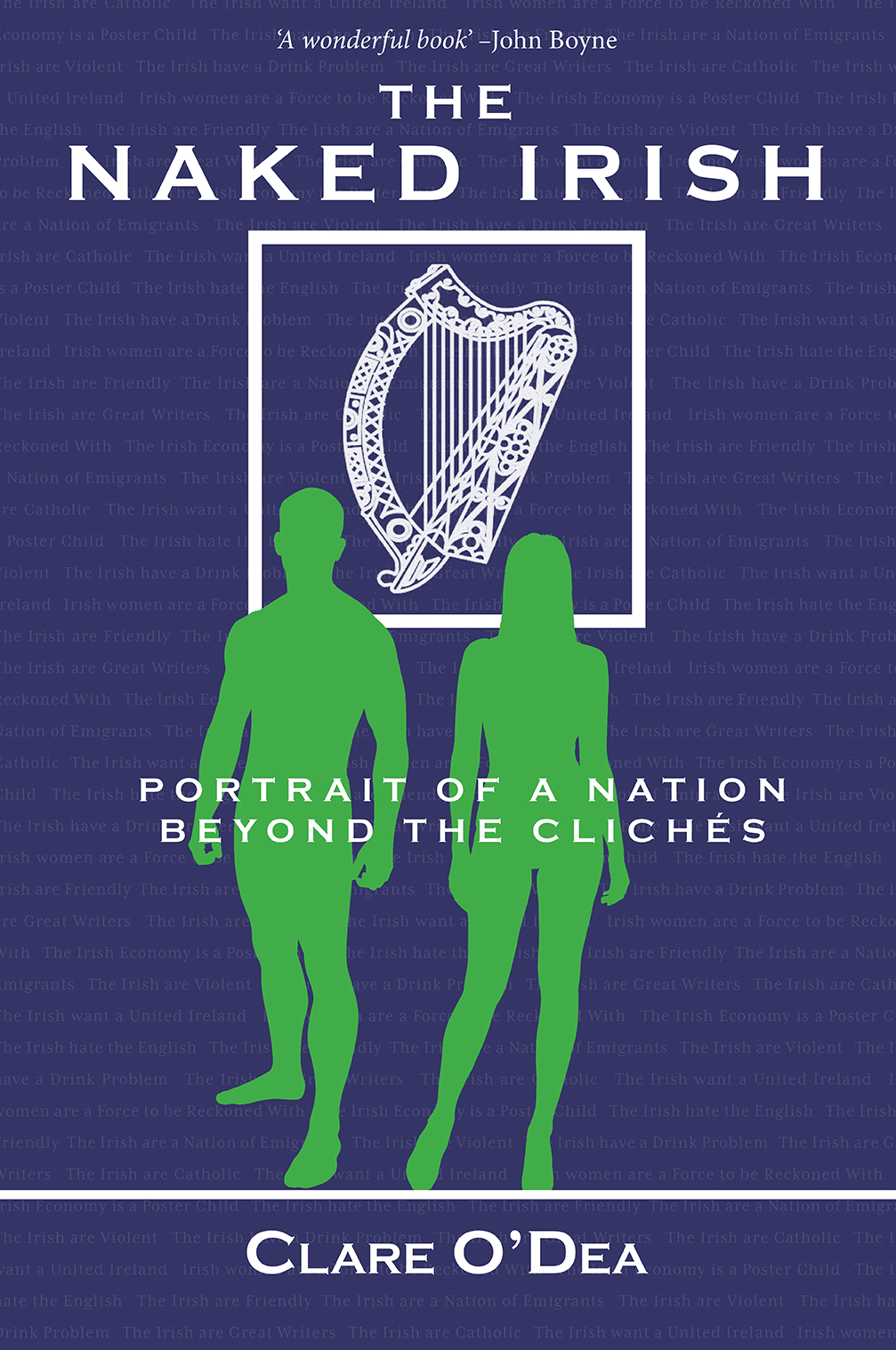
TNI COVER

I’m delighted to announce that I have a new non-fiction book coming out with an Irish publisher next month. The Naked Irish: Portrait of a Nation Beyond the Clichés will be published by Red Stag Books (a new imprint of Mentor Books) on September 24th. The book offers a “fresh and insightful analysis of what it means to be Irish in the 21st century”.

Ireland has changed dramatically in the space of a generation. The Naked Irish is a broad canvas, drawing on culture, history, politics and economics, as well as personal reportage and memoir, to interpret that change.

The book tackles the most persistent stereotypes about the Irish to find out how much truth lies behind them. Are the Irish a nation of emigrants if we have the second highest foreign-born population in Europe? Are we Catholic if attendance at Mass is as low as three percent in some parishes? Do we really hate the English and want a united Ireland? Is the oppression of women in our DNA? Are the Irish really friendly or just faking it?

My motivation for writing this book is to question the received wisdom so that we can have a truer, fairer, and ultimately healthier understanding of ourselves. As an emigrant, I have experienced Ireland from the inside and the outside, and I hope that gives me some extra objectivity. The Naked Irish obviously builds on the approach of my first book, The Naked Swiss: A Nation Behind 10 Myths. If I had to pin down the difference, I would say: this time it’s personal.

It has been the greatest pleasure to immerse myself in all things Irish again and to have had the excuse for frequent research trips to Ireland with lots of intense reading and listening. I met many interesting people in the course of my research, from experts to artists to everyday heroes.

Here’s what John Boyne said about the book. I’m so thrilled to have his approval!

‘A wonderful book, Clare O’Dea captures the essence of who we once were and who we’ve become with admirable wit and insight.’

I’ll be back with news about the cover design (added in above!) and any events around the launch of The Naked Irish, as well as information about where you can buy the book. Another way to stay in the loop is to like my author page on Facebook or follow me on Twitter. My thanks to the team at Mentor Books who have been amazing to work with.

All aboard the Swiss-bashing bandwagon

clint-eastwood

This week two Swiss newspapers reported on the problem of the “Swiss stare”. Apparently “expats” (I need a separate blog post to explain what I find wrong with this word) have been complaining online about how they dislike it when Swiss people stare at them. The fact that both papers quoted a forum discussion from 2013 gives an indication of how thin this story is.

I am used to Swiss-bashing articles appearing in the English-language media but when I see Swiss newspapers jumping on the bandwagon, I think it is unfortunate, to say the least. All it does is make everyone look bad.

Here’s the interesting part. I heard about the “Swiss stare” when I was contacted by one of the newspapers in question earlier this week, and asked for my take on the issue. I said, honestly, that I had never found it a problem. I’m a bit of a starer myself so maybe I’ve come to live in the right place. In my view, Swiss people in public behave quite like introverts. They are happier to observe others than to draw attention to themselves. That is the group dynamic rather than a reflection of individual characters.

The journalist did not use my answers because they did not fit into the thesis he was presenting. Fair enough. It’s a trivial enough subject and not a serious newspaper so that’s OK. But in the long run, these sorts of stories have a cumulative negative impact, and this is one of the reasons I was motivated to write The Naked Swiss. This quote is from chapter one:

Particularly in the English-speaking world, but also among Germans, there is a great appetite for ‘aren’t they strange’ cultural commentary stories about the Swiss. As a general rule, any piece that makes the Swiss appear ridiculous or sinister, or both, is welcome. The result is a caricature of the cat-eating, obsessively recycling, robotically-dull and silly rule-making Swiss that has been so carefully constructed over years that it may never be dismantled. It’s tough being the rich kid of Europe.

Is there any point in me pointing out that this is a multi-cultural country with a much higher proportion of foreigners than the UK or US (13% in each)? One in four people living in Switzerland are foreign-born. That proportion could well be higher on public transport. How do you even know if the person who stared at you on the train that time is Swiss?

But even if it is a real thing that Swiss people do above all others, I’m not sure why this has to be a problem. When I travel, I neither want nor expect the rest of the world to behave like Irish people. I have never been under the illusion that the Irish way is the defining way of behaviour worldwide. Maybe this is a big country / small country thing. If you don’t count Irish pubs, Ireland has never attempted to dominate the world (or indeed any other country) with its norms and culture. I wonder if it is easier to accept differences in other places if you come from a smaller, more insignificant country, or is it mainly down to the individual’s capacity to accept change and adapt?

In the introduction to my book, I quote Siri Hustvedt who said “no person leaves themselves behind in order to look at a painting”. Our individual responses to a work of art depend on who we are, our character. I think the same applies to our individual responses to a country as immigrants.

So, what can you tell me about the “Swiss stare”? Is it real or imagined? Does it make you dislike the Swiss in general? Or could it happen anywhere? I would love to hear some different perspectives on this from anyone who has experience of living in another culture.